10 Best Ways How to Find Keystone Plants
Keystone plants anchor entire ecosystems by supporting 90% or more of local lepidopteran larvae, yet most gardeners walk past them daily without recognition. Learning how to find keystone plants transforms every yard into a documented food web, where native oaks, willows, and cherries replace ornamental imports that feed nothing. The scent of crushed Prunus serotina leaves in spring, the rough bark patterns of Quercus species, and the supple branch architecture of Salix identify candidates before any field guide opens. Mastering how to find keystone plants requires observing which species host caterpillars, produce high-protein pollen, and persist through your region's coldest winter.
Materials
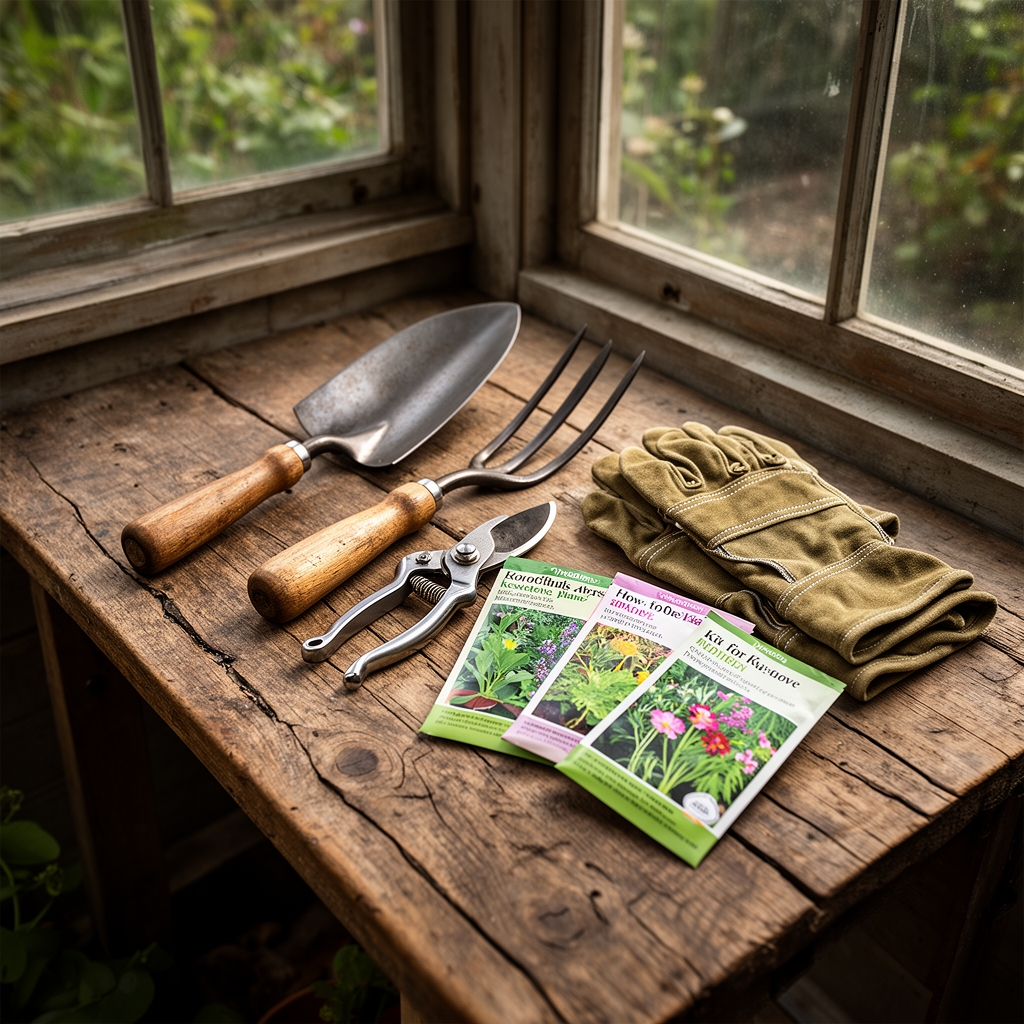
Begin with a soil test kit measuring pH and macronutrient availability. Most keystone native trees and shrubs tolerate pH 5.5 to 7.0 and thrive without synthetic inputs. Apply a 4-4-4 organic blend of feather meal, bone meal, and greensand at 2 pounds per 100 square feet during site preparation. Avoid high-nitrogen formulations above 10-5-5, which promote soft growth vulnerable to aphid colonization.
Collect field guides specific to your EPA Level III Ecoregion. Digital tools like iNaturalist and the National Wildlife Federation's native plant finder cross-reference ZIP codes with documented host-plant relationships. Herbarium specimens at state universities provide vouchers confirming local genotypes.
Invest in hand lenses with 10x magnification to inspect leaf pubescence, bud arrangement, and stipule morphology. Keystone identification hinges on details invisible to the naked eye: the stellate trichomes on Quercus alba, the chambered pith in Juglans nigra, and the triple-nerved leaves of Celtis occidentalis.
Timing
Keystone plant surveys succeed when phenological markers align with your USDA Hardiness Zone. In Zones 3 through 5, scout from late April through May as buds break and early pollinators emerge. Zones 6 and 7 shift this window to mid-March through April. Zones 8 through 10 require February surveys before deciduous species leaf out and obscure bark patterns.
Monitor frost-date windows published by your local cooperative extension. The last spring frost dictates transplanting schedules, while the first fall frost date determines when root establishment must finish. Keystone species planted 6 to 8 weeks before the first fall frost allocate carbohydrates to root growth rather than canopy expansion.
Lepidopteran surveys peak during late May through June across most temperate zones. Observing caterpillar feeding damage on wild specimens confirms keystone status before introducing the species to your landscape.
Phases

Sowing
Collect seed from documented keystone specimens in your county to preserve local adaptations. Quercus acorns require immediate sowing in fall with no drying period. Stratify Prunus, Malus, and Crataegus seed at 34 to 38 degrees Fahrenheit for 90 to 120 days in moist sand.
Sow stratified seed in a 2:1:1 mix of composted leaf mold, perlite, and native topsoil. Surface-sow fine seed like Betula and Salix. Cover larger seed to a depth equal to twice the seed diameter. Maintain substrate moisture at 60% field capacity using a tensiometer.
Pro-Tip: Inoculate seed flats with mycorrhizal fungi species native to your soil type. Ectomycorrhizal blends benefit Quercus, Pinus, and Betula, while endomycorrhizal formulations support Acer and Prunus.
Transplanting
Move seedlings when roots reach the container edge but before circling begins. Dig planting holes twice the root ball width and equal to root ball depth. Avoid amending backfill in clay or loam soils; retain native soil structure to encourage outward root exploration.
Position the root flare 1 to 2 inches above final grade. Backfill in 6-inch lifts, watering each layer to eliminate air pockets. Stake only if wind exposure exceeds 15 miles per hour sustained velocity. Use flexible ties that allow 1 inch of trunk sway to stimulate caliper growth and auxin distribution.
Pro-Tip: Prune broken roots with bypass shears at a 45-degree angle to maximize cambium exposure and callus formation.
Establishing
Water transplants with 10 gallons per caliper inch weekly during the first growing season. Reduce frequency to every 10 days in year two. Mulch with 3 inches of shredded hardwood bark in a donut shape, keeping material 6 inches from the trunk to prevent crown rot.
Monitor for transplant shock symptoms: wilting despite adequate moisture, leaf scorch on margins, and premature autumn coloration. These indicate root damage or inadequate cation exchange capacity in the planting zone.
Pro-Tip: Apply foliar kelp extract at 1 tablespoon per gallon monthly during establishment to supply cytokinins that balance root-to-shoot ratios.
Troubleshooting
Symptom: Interveinal chlorosis on new growth.
Solution: Soil pH above 7.2 locks out iron and manganese. Apply sulfur at 1 pound per 100 square feet to lower pH by 0.5 units. Foliar-feed with chelated iron at 1 ounce per gallon every 2 weeks until green returns.
Symptom: Sudden branch dieback with oozing cankers.
Solution: Cytospora canker infects stressed Salix and Populus. Prune 6 inches below discolored cambium during dormancy. Sterilize tools with 10% bleach solution between cuts.
Symptom: Leaves skeletonized, only veins remaining.
Solution: This indicates successful keystone function. Lepidopteran larvae consume 80 to 100 leaves before pupation. Tolerate feeding damage as evidence of ecosystem service.
Symptom: Stunted growth with swollen, discolored roots.
Solution: Phytophthora root rot thrives in saturated soils. Improve drainage with 4-inch perforated tile at 18-inch depth. Avoid overhead irrigation.
Maintenance
Keystone plants established for 3 or more years require minimal intervention. Apply 1 inch of water weekly during droughts defined as 14 consecutive days below 0.5 inches of rainfall. Measure soil moisture at 6-inch depth with a probe before irrigating.
Prune dead or crossing branches during dormancy to maintain 40 to 60% canopy density. This light penetration supports understory natives while preserving interior nesting habitat. Leave fallen leaves and twigs in place; they harbor overwintering Lepidoptera pupae.
Renew mulch annually to maintain the 3-inch depth. Decomposing mulch feeds saprophytic fungi that outcompete pathogens and improve soil aggregation.
FAQ
How many caterpillar species do keystone plants support?
Regional keystones host 300 to 500 Lepidoptera species. Quercus supports 557 species in the Mid-Atlantic, while Prunus hosts 456 nationally.
Can I substitute non-native lookalikes?
No. Native insects lack digestive enzymes for exotic plant alkaloids. Callery pear feeds zero caterpillars, while native Prunus serotina feeds 456.
When do keystone plants show wildlife activity?
Peak caterpillar biomass occurs May through June in temperate zones, with second broods August through September on refoliated specimens.
Do keystone plants need fertilizer?
Established specimens extract nutrients through mycorrhizal networks. Fertilization disrupts these associations and promotes rank growth attractive to pests.
Which keystone works in small yards?
Ceanothus americanus reaches 3 feet tall and supports 43 Lepidoptera species in Zones 4 through 8. Plant 3 feet apart for colony effect.