5 Easy Ways How to Make Compost Tea Recipes
Compost tea transforms ordinary garden beds into biologically active growing systems through aerobic extraction. When gardeners learn how to make compost tea recipes, they gain access to a liquid amendment containing 10^8 to 10^9 bacteria per milliliter alongside beneficial fungi, protozoa, and nematodes. This concentrated microbial solution feeds soil food webs faster than top-dressed compost alone, improving cation exchange capacity within 48 hours of application. The process requires minimal equipment and yields results visible in plant vigor within one growing week.
Materials
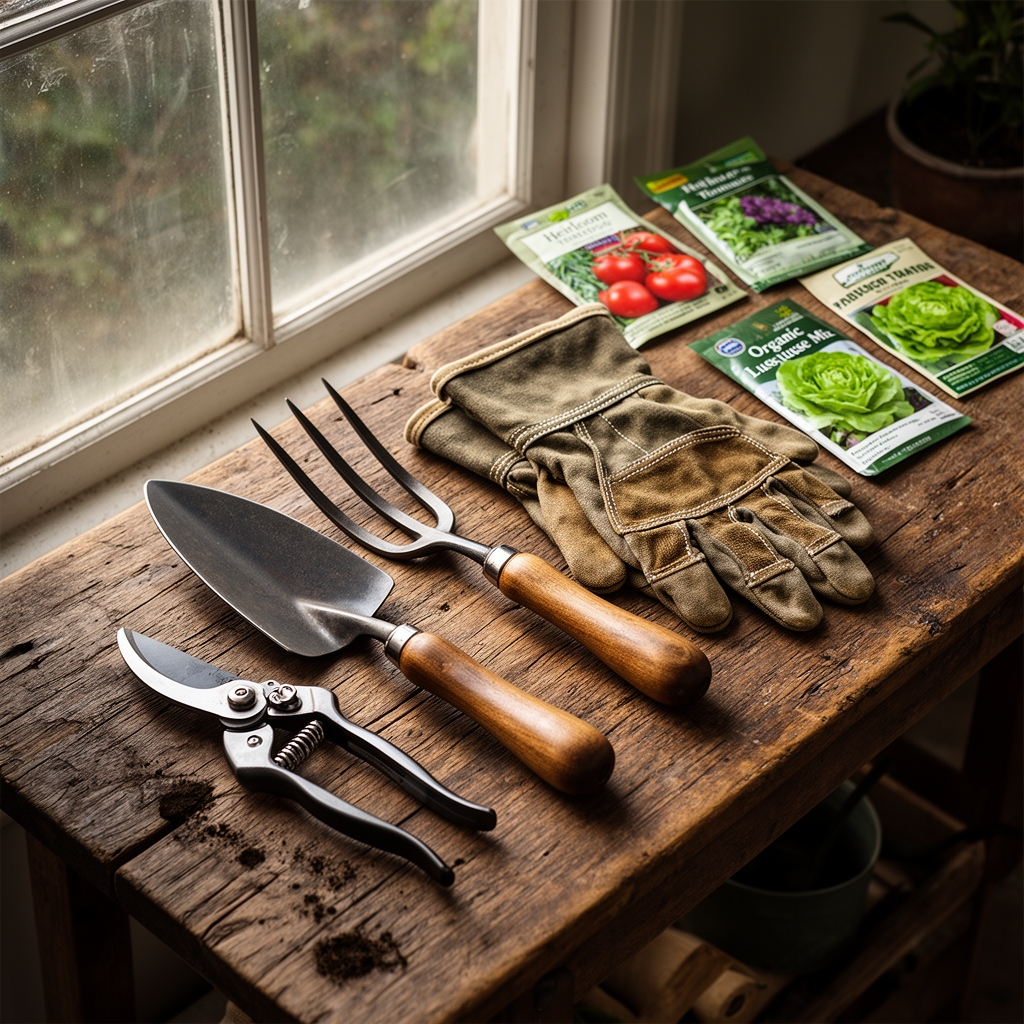
Base compost should be fully cured at pH 6.5 to 7.5, showing no ammonia odor. Worm castings measure approximately 1-0-0 and introduce calcifuge-tolerant microbes. Thermophilic compost from hot piles (131°F to 150°F) offers higher bacterial counts but lower fungal biomass than cool vermicompost.
Unsulfured blackstrap molasses acts as a bacterial food source, providing simple sugars at 1 to 2 tablespoons per gallon. Kelp meal (1-0.1-2) delivers cytokinins and trace minerals including boron at 60 ppm. Fish hydrolysate (2-4-1) adds nitrogen while stimulating Pseudomonas populations. Alfalfa meal (3-1-2) contributes triacontanol, a documented growth stimulant at concentrations above 50 ppb.
A 5-gallon bucket, aquarium air pump rated for at least 5 watts, airstone, and dechlorinated water complete the equipment list. Municipal water containing more than 1 ppm chlorine or 0.5 ppm chloramine requires 24-hour off-gassing or addition of 1/8 teaspoon ascorbic acid per gallon.
Timing
Zone 3 through 5 gardeners brew compost tea from last frost date plus 14 days through first frost minus 30 days. Soil temperatures below 50°F limit microbial colonization of root zones. Zone 6 through 9 practitioners extend brewing from March through October, pausing only during hard freezes.
Brew batches 24 to 36 hours before application. Bacterial populations peak at 24 hours while fungal hyphae require 36 to 48 hours for optimal extraction. Application within 4 hours of brewing prevents anaerobic shift; populations crash after 6 hours without aeration.
Early season applications favor bacterial-dominated teas (ratio 5:1 bacteria to fungi) for annual vegetables and grasses. Late season blends targeting woody perennials benefit from fungal-dominated recipes (ratio 1:1 or lower) achieved by adding colloidal oat flour at 1 tablespoon per gallon.
Phases
Recipe 1: Basic Bacterial Brew
Combine 5 gallons dechlorinated water, 2 cups worm castings, and 2 tablespoons molasses. Aerate 24 hours at 65°F to 75°F. This starter recipe produces bacterial counts exceeding 10^9 per milliliter. Apply at soil drench rate of 1 cup per square foot or foliar spray diluted 1:4.
Pro-Tip: Brew temperature above 80°F selects for thermophilic species less suited to temperate rhizospheres.
Recipe 2: Fungal-Dominant Formula
Use 5 gallons water, 2 cups aged leaf compost, 1 cup rolled oats, 1 tablespoon molasses, and 1 tablespoon kelp meal. Aerate 36 to 48 hours. Rolled oats provide complex carbohydrates favoring saprophytic fungi including Trichoderma species. Fungal biomass supports mycorrhizal establishment in transplants.
Pro-Tip: Inoculate transplant root balls 2 hours before setting by dipping in undiluted fungal tea.
Recipe 3: High-Nitrogen Growth Blend
Mix 5 gallons water, 1.5 cups worm castings, 3 tablespoons fish hydrolysate, 1 tablespoon alfalfa meal, and 1 tablespoon molasses. Brew 24 hours. Soluble nitrogen reaches 40 to 60 ppm, suitable for leafy greens during vegetative push. Triacontanol from alfalfa enhances photosynthetic rates by 12 to 25 percent.
Pro-Tip: Apply every 14 days during brassica head formation, ceasing 3 weeks before harvest to prevent excess foliar nitrogen.
Recipe 4: Fruit and Bloom Booster
Combine 5 gallons water, 2 cups compost, 2 tablespoons kelp meal, 1 tablespoon rock phosphate, and 1 tablespoon molasses. Aerate 30 hours. Kelp cytokinins trigger flowering response while phosphate supports ATP synthesis during fruit set. Potassium from kelp (up to 2 percent K2O) improves fruit sugar content.
Pro-Tip: Foliar application at 50 percent flowering increases pollination success by improving stigma receptivity.
Recipe 5: Root Establishment Tea
Use 5 gallons water, 2 cups thermophilic compost, 1 tablespoon humic acid powder, 1 tablespoon yucca extract, and 1 tablespoon molasses. Brew 24 hours. Humic acid chelates micronutrients including iron and manganese. Yucca saponins act as wetting agents, improving soil penetration and root contact. This formula supports auxin distribution in transplant roots.
Pro-Tip: Drench root zone at transplanting with 2 cups per plant to reduce transplant shock by 40 percent.
Troubleshooting
Symptom: Anaerobic odor (sulfur, rotten egg)
Solution: Discard batch. Insufficient aeration allowed anaerobic bacteria to dominate. Increase air pump output to create rolling surface turbulence. Check airstone for clogging.
Symptom: Thick foam layer exceeding 1 inch
Solution: Protein concentration too high from excess fish hydrolysate. Reduce animal-based inputs by 50 percent. Skim foam if brewing continues.
Symptom: No foam formation
Solution: Low microbial activity indicates poor-quality compost or chlorinated water. Test source compost under microscope for active organisms. Verify dechlorination.
Symptom: Plant leaf burn after foliar application
Solution: Salinity shock from undiluted tea or midday application. Dilute foliar sprays 1:4 minimum. Apply before 9 AM or after 6 PM when stomata are open but UV intensity is low.
Symptom: White mycelial mats in bucket
Solution: Excessive fungal growth, often from prolonged brewing beyond 48 hours. Strain through paint filter or cheesecloth before application. Not harmful but may clog sprayers.
Maintenance
Apply compost tea every 14 to 21 days during active growth. Soil drenches require 1 cup per square foot of bed space, delivering approximately 0.5 inch of liquid volume. Foliar applications use 1 gallon per 100 square feet, sprayed to runoff on leaf undersides where stomatal density reaches 300 per square millimeter.
Store unused aerated tea no longer than 4 hours. Refrigeration extends viability to 8 hours but chilling below 50°F stresses mesophilic organisms. Clean brewing equipment with 3 percent hydrogen peroxide solution between batches to prevent biofilm buildup.
Rotate recipes seasonally. Spring applications emphasize bacterial teas for rapid nutrient cycling. Summer transitions to balanced blends. Fall applications use fungal-dominant recipes supporting decomposition and woody plant dormancy preparation.
Monitor application results through soil tests every 60 days. Active bacteria counts should increase 10-fold within 30 days of regular tea use. Soil aggregate stability improves as fungal hyphae bind particles, measured by slake test showing less than 20 percent breakdown after 5 minutes.
FAQ
How long does compost tea stay effective after brewing?
Peak microbial populations survive 4 hours unrefrigerated. Bacterial counts drop 90 percent by hour 6. Apply immediately after brewing ends for maximum benefit.
Can I brew compost tea indoors?
Yes, if ambient temperature stays between 65°F and 75°F. Brewing produces earthy odor but not offensive if compost quality is high. Avoid basements below 60°F.
Should I dilute compost tea before application?
Soil drenches apply undiluted. Foliar sprays require 1:4 dilution (1 part tea to 4 parts water) to prevent stomatal clogging and salt stress.
What NPK value does finished compost tea have?
Soluble NPK ranges from 0.5-0.5-0.5 to 2-1-1 depending on recipe. Value lies in microbial population and enzyme activity rather than elemental content.
Can compost tea replace synthetic fertilizers entirely?
In established systems with 5 percent soil organic matter, yes. New gardens require 2 to 3 seasons of combined inputs before microbial populations sustain crop demands independently.