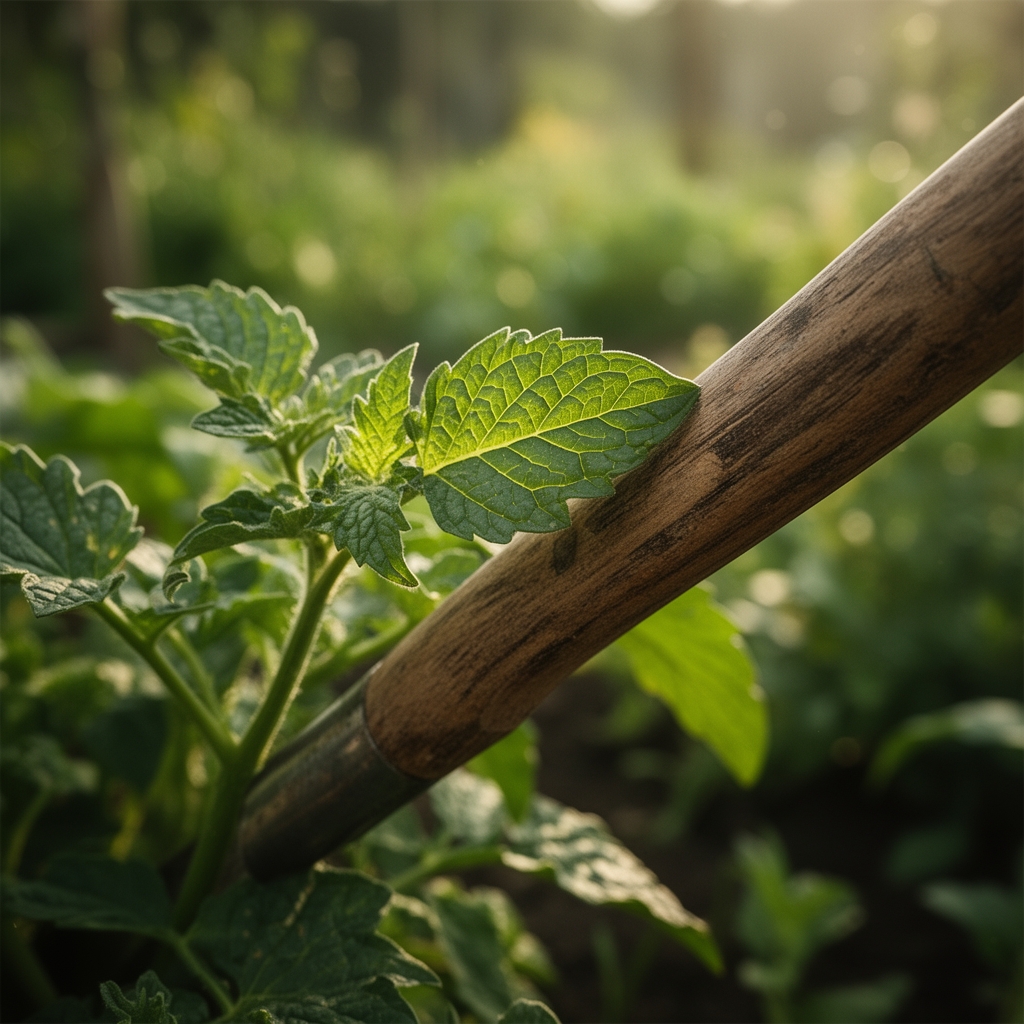
9 Pro Tips How to Regenerative Home Gardens
Beneath your feet, millions of soil organisms are breathing, feeding, and dying in a complex economy that determines whether your tomatoes split or your lettuce bolts. The steps to regenerative home gardens reverse decades of synthetic dependency by rebuilding this biological infrastructure. Instead of mining the soil for a single season's harvest, you deposit carbon, nurture fungal highways, and compound fertility year over year.
Materials
Soil Amendments (pH 6.0–7.0 target)
Begin with a balanced organic fertilizer rated 4-4-4 or 5-5-5 to avoid nitrogen surges that suppress mycorrhizal colonization. Kelp meal (1-0.1-2) supplies trace minerals and cytokinins. Rock phosphate (0-3-0) dissolves slowly, feeding soil biota rather than leaching into groundwater. Sulfur or lime adjusts pH; apply sulfur at 1 lb per 100 sq ft to lower pH by 0.5 units, or dolomitic lime at 5 lb per 100 sq ft to raise it by the same margin.
Carbon Inputs
Shredded leaves, straw, and wood chips serve as fungal feedstock. Aim for a 30:1 carbon-to-nitrogen ratio in compost piles. Biochar, pre-charged by soaking in compost tea for 48 hours, increases cation exchange capacity by 30–50% in sandy soils.
Microbial Inoculants
Endo-mycorrhizal fungi (Glomus species) form symbiotic root networks. Bacillus subtilis and Trichoderma harzianum outcompete soil pathogens. Apply at seeding or transplant for maximum root contact.
Timing
Hardiness Zones 3–6
Start cool-season cover crops (crimson clover, hairy vetch) 6–8 weeks before first fall frost. Terminate by mowing or tarping 2 weeks before spring planting when soil reaches 50°F at 4-inch depth.
Hardiness Zones 7–10
Plant warm-season cover crops (sunn hemp, cowpeas) after last spring frost when soil hits 60°F. Terminate at flowering, before seed set, to prevent volunteer weeds and maximize nitrogen fixation.
Succession Windows
Rotate plantings every 14–21 days for continuous harvests. Transplant brassicas 4 weeks after legumes to capitalize on residual nitrogen. Follow heavy feeders (tomatoes, squash) with nitrogen-fixers (beans, peas) to restore soil reserves.
Phases

Sowing
Broadcast cover-crop seed at 2–4 oz per 100 sq ft for small grains, 4–6 oz for legumes. Rake to 1/4-inch depth. Water with a fine mist to prevent seed displacement. Germination occurs in 5–10 days depending on species and soil temperature.
Pro-Tip: Mix species with different root architectures. Daikon radish drills 6 feet deep, fracturing compacted hardpan. Crimson clover's fibrous roots hold topsoil during winter rains.
Transplanting
Harden off seedlings by reducing water and increasing light exposure over 7 days. Dig holes 1.5 times the root ball diameter. Dust roots with mycorrhizal powder (1 gram per plant). Set transplants at the same depth as in their nursery containers, except for tomatoes; bury two-thirds of the stem to stimulate adventitious rooting along the buried nodes.
Pro-Tip: Transplant in late afternoon or on overcast days. Stomatal conductance drops, reducing transplant shock by 40%.
Establishing
Mulch with 3–4 inches of wood chips or straw, keeping material 2 inches away from stems to prevent fungal collar rot. Drip-irrigate to wet the top 6 inches of soil, encouraging shallow feeder roots to dive deeper. Avoid overhead watering, which promotes foliar diseases and leaches calcium from leaves.
Pro-Tip: Foliar-spray kelp extract (1 tablespoon per gallon) weekly for the first month. Auxins and gibberellins accelerate root establishment and boost stress tolerance.
Troubleshooting
Symptom: Yellowing lower leaves, stunted growth
Solution: Nitrogen deficiency. Side-dress with blood meal (12-0-0) at 1 lb per 100 sq ft or apply compost tea every 10 days. Test soil; if pH is below 6.0, nitrogen uptake is impaired.
Symptom: Purple leaf undersides, slow maturation
Solution: Phosphorus lockup, common in cold or alkaline soils. Apply mycorrhizal inoculant to enhance phosphorus solubilization. Foliar-spray with fish emulsion (5-1-1) diluted 1:5 until roots warm.
Symptom: Blossom-end rot in tomatoes and peppers
Solution: Calcium transport failure due to erratic watering. Maintain consistent soil moisture at 60–70% field capacity. Mulch heavily. Foliar calcium sprays do not reverse symptoms but prevent new damage.
Symptom: Powdery white fungal coating on leaves
Solution: Powdery mildew thrives in low air circulation and high humidity. Prune to open canopy. Spray 1 tablespoon baking soda plus 1 teaspoon insecticidal soap per quart of water every 5 days.
Symptom: Wilting despite moist soil, vascular browning
Solution: Verticillium or Fusarium wilt. Remove infected plants and solarize soil by covering with clear plastic for 6 weeks in midsummer (soil temperature above 110°F). Rotate to resistant varieties.
Maintenance
Water deeply once per week, delivering 1 inch total (measure with a rain gauge or tuna can). Soil should dry slightly between irrigations to promote root exploration and prevent anaerobic conditions. Mulch decomposes 1–2 inches per season; replenish in late spring and early fall. Side-dress heavy feeders every 4 weeks with 1/2-inch layer of finished compost. Scout for pests twice weekly; hand-pick or use Bacillus thuringiensis (Bt) at first sign of caterpillars.
FAQ
How long before regenerative practices improve yields?
Soil biology rebounds within one growing season. Measurable yield increases appear in year two as organic matter climbs above 5%.
Can I regenerate soil in containers?
Yes. Mix 40% compost, 40% coconut coir, 20% perlite. Inoculate with mycorrhizae. Top-dress monthly with worm castings.
What cover crop fixes the most nitrogen?
Hairy vetch fixes 100–150 lb nitrogen per acre. Crimson clover contributes 70–100 lb. Both require 60+ days of growth.
Do wood chips rob nitrogen?
Surface mulch does not. Tilling chips into soil temporarily immobilizes nitrogen. Let chips decompose on the surface for 12 months before incorporating.
How do I measure soil health progress?
Track organic matter percentage annually via soil test. Monitor earthworm population (10+ per shovel of soil indicates healthy biology). Observe water infiltration: healthy soil absorbs 1 inch in under 30 minutes.