7 Easy Ways How to Start Aquaponic Fish
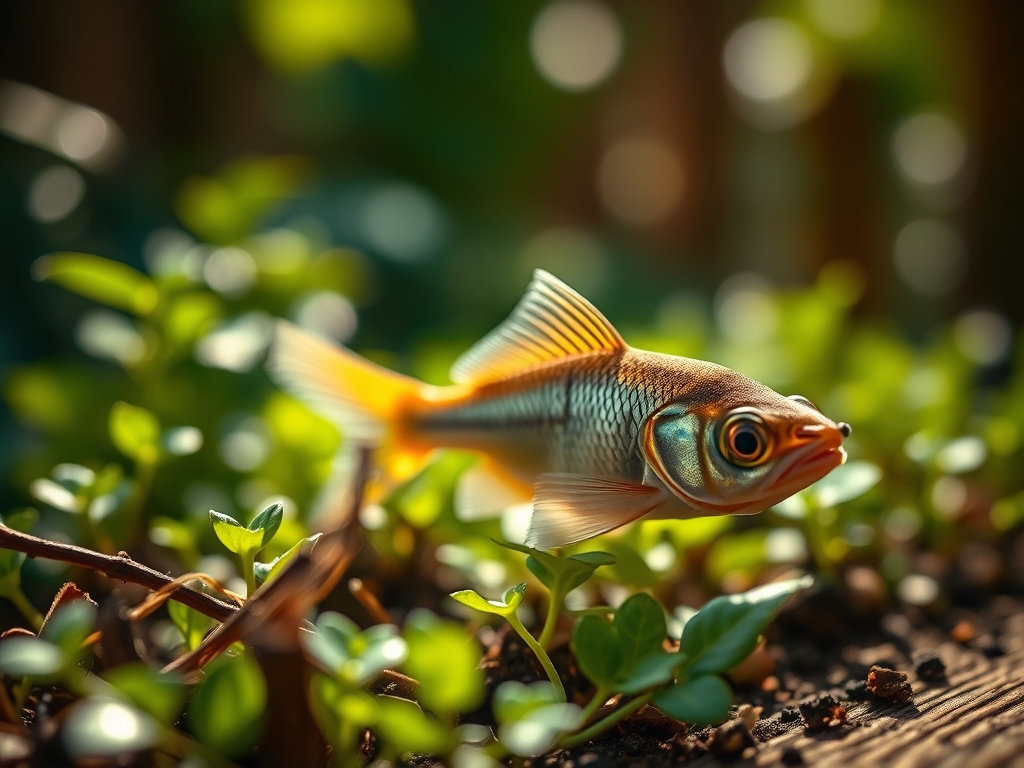
Aquaponic systems transform waste into nutrition through a closed-loop cycle where fish and plants sustain each other. Learning how to start aquaponic fish means establishing the biological foundation that converts ammonia into nitrate-rich water for crops. The nitrogen cycle begins when fish excrete waste, bacteria colonize biofilter media, and plant roots absorb the dissolved nutrients. This method eliminates soil pathogens while delivering a steady NPK ratio of approximately 3-1-2 through metabolic processes alone. The fish become living fertilizer factories, and their health dictates crop success.
Materials
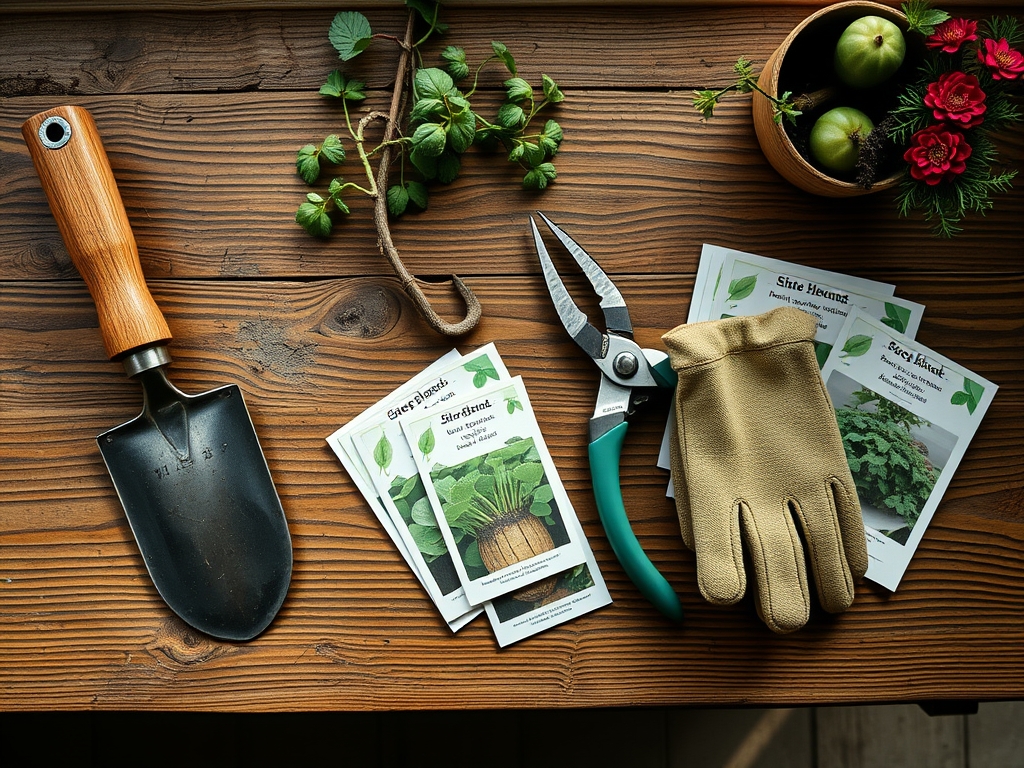
Select fingerlings from hatcheries certified disease-free. Tilapia tolerate pH 6.5-8.5 and thrive in water temperatures between 75-86°F. Goldfish and koi adapt to cooler systems at 65-75°F, suitable for unheated greenhouse operations. Catfish require pH 7.0-8.0 and accept temperatures from 75-85°F.
Tank construction demands food-grade polyethylene or fiberglass rated for continuous water contact. A 275-gallon IBC tote houses 40-50 tilapia at market weight. Avoid galvanized metal. Zinc leaches into water at concentrations toxic to fish above 0.05 ppm.
Biofilter media includes expanded clay aggregate with high cation exchange capacity. Lava rock and plastic bio-balls provide 200-300 square feet of surface area per cubic foot for nitrifying bacteria colonization. These bacteria convert ammonia (NH3) to nitrite (NO2), then nitrate (NO3).
Air pumps must deliver 3-5 watts per gallon to maintain dissolved oxygen above 5 ppm. Fish suffocate below this threshold. Use airline tubing rated for ozone resistance and ceramic air stones that produce fine bubbles for maximum gas exchange.
Water test kits measure ammonia, nitrite, nitrate, and pH. Ammonia and nitrite must remain below 0.5 ppm during cycling. Nitrate levels between 20-150 ppm indicate an established system producing adequate plant nutrition equivalent to a 3-1-2 NPK fertilizer ratio.
Timing
Begin cycling systems 4-6 weeks before introducing fish. Hardiness zones become irrelevant in climate-controlled environments, but outdoor systems require fish-safe water temperatures. In zones 7-9, start between April and May when nighttime lows stabilize above 60°F. Zones 10-11 support year-round operation.
Greenhouse operations eliminate frost-date concerns. Maintain water temperature with inline heaters or passive solar thermal mass. A 55-gallon drum painted black absorbs daytime heat and radiates warmth through cold nights.
Purchase fingerlings at 2-4 inches length. They adapt faster than adult fish to new water chemistry. Stock in late spring when feed conversion rates peak due to optimal metabolism at 78-82°F.
Phases
Cycling Phase
Introduce ammonia through fishless cycling methods. Add pure ammonia solution to reach 2-4 ppm concentration. Nitrosomonas bacteria colonize surfaces over 10-14 days, converting ammonia to nitrite. Nitrite spikes to 5-10 ppm before Nitrobacter species establish and process it into nitrate. The cycle completes when ammonia and nitrite both read 0 ppm within 24 hours of dosing.
Pro-Tip: Seed biofilter with substrate from established aquariums. This introduces mature bacterial colonies that reduce cycling time to 14-21 days.
Stocking Phase
Acclimate fingerlings by floating transport bags in tank water for 15 minutes. Temperature differential above 2°F shocks fish and triggers stress hormones that suppress immune function. Add one cup of tank water to bags every 5 minutes for 30 minutes, equalizing chemistry gradually.
Start with 1 pound of fish per 5-7 gallons. Understocking during establishment prevents ammonia spikes. Feed 1-2% of body weight daily. Uneaten food decays into ammonia, disrupting water parameters. Monitor closely for the first 72 hours when fish adjust feeding patterns.
Pro-Tip: Fast fish for 24 hours post-transport. Digestive systems pause under stress, and feeding causes waste buildup before bacteria populations expand to match new bioload.
Growing Phase
Increase feeding rates as fish gain mass. Target 1.5-2.0 feed conversion ratio, meaning 1.5-2.0 pounds of feed produce 1 pound of fish growth. High-protein pellets (40-45% protein) accelerate growth but increase ammonia output. Balance growth speed against bacterial processing capacity.
Plant seedlings once nitrate levels stabilize above 20 ppm. Leafy greens tolerate 20-40 ppm. Fruiting crops demand 40-80 ppm for adequate auxin distribution and flower development. Add supplemental iron chelate at 2 ppm and calcium at 60 ppm. Fish waste lacks these minerals in sufficient quantities.
Pro-Tip: Prune roots at 45-degree angles when transplanting into grow beds. Angled cuts expose more cambium tissue, accelerating root regeneration and mycorrhizal fungi colonization.
Troubleshooting
Symptom: Fish gasp at water surface
Solution: Dissolved oxygen dropped below 4 ppm. Increase aeration immediately. Add air stones or check pump output. High water temperature reduces oxygen solubility. Lower temperature or increase surface agitation.
Symptom: Cloudy white water
Solution: Bacterial bloom during cycling or after overfeeding. Reduce feeding by 50%. Bacteria consume excess nutrients and water clears in 48-72 hours. Do not change water. This removes beneficial bacteria and restarts cycling.
Symptom: Reddish-brown fins or ulcers
Solution: Bacterial infection from poor water quality. Test ammonia and nitrite. Values above 1 ppm burn gill tissue and create infection pathways. Perform 30% water change with dechlorinated source. Add aquarium salt at 1 tablespoon per 5 gallons as osmotic support.
Symptom: Plants show interveinal chlorosis
Solution: Iron deficiency. Fish waste contains less than 1 ppm iron. Chelated iron supplements restore leaf color within 7-10 days. Apply 2 ppm iron-DTPA through foliar spray or root zone drench.
Symptom: Fish refuse feed for 3+ days
Solution: Check pH drift. Values below 6.0 or above 9.0 shut down feeding response. Nitrification produces acid, lowering pH over time. Buffer with potassium hydroxide or calcium carbonate to maintain 7.0-7.5 range.
Maintenance
Test water parameters every 48 hours during the first month. Ammonia and nitrite must read 0 ppm. Nitrate should rise steadily, indicating bacterial activity. After establishment, test weekly.
Replace 10% of tank volume monthly to remove dissolved solids that accumulate from evaporation. Use dechlorinated water aged 24 hours to match temperature within 2°F.
Feed once daily at the same time. Fish develop conditioned feeding responses. Consistent schedules improve digestion and reduce waste. Remove uneaten food after 5 minutes.
Clean mechanical filters weekly. Rinse in tank water only, never tap water. Chlorine kills nitrifying bacteria. Squeeze sponges gently to preserve bacterial colonies while removing particulates.
Harvest fish when they reach 1-1.5 pounds, typically 6-9 months for tilapia. Maintain population density below 1 pound per gallon to prevent stress and disease outbreaks.
FAQ
How many fish can I stock per gallon?
Stock 1 pound of fish per 5-7 gallons during grow-out. Fingerlings begin at lower densities and increase as biofilter capacity expands.
What temperature kills beneficial bacteria?
Nitrifying bacteria die above 95°F and go dormant below 50°F. Maintain 70-85°F for optimal ammonia conversion rates.
Can I use city tap water?
Yes, after dechlorination. Chlorine and chloramine kill fish and bacteria. Use chemical neutralizers or aerate water for 24-48 hours before adding to system.
How long until plants grow?
Seedlings transplant 3-4 weeks after fish stocking. Lettuce harvests in 4-6 weeks. Fruiting crops like tomatoes require 8-12 weeks from transplant to first harvest.
Do I need to change all the water?
Never perform complete water changes. This removes established bacterial colonies and crashes the nitrogen cycle. Replace 10-20% monthly only.