9 Best Vertical Hydroponic Towers Ideas
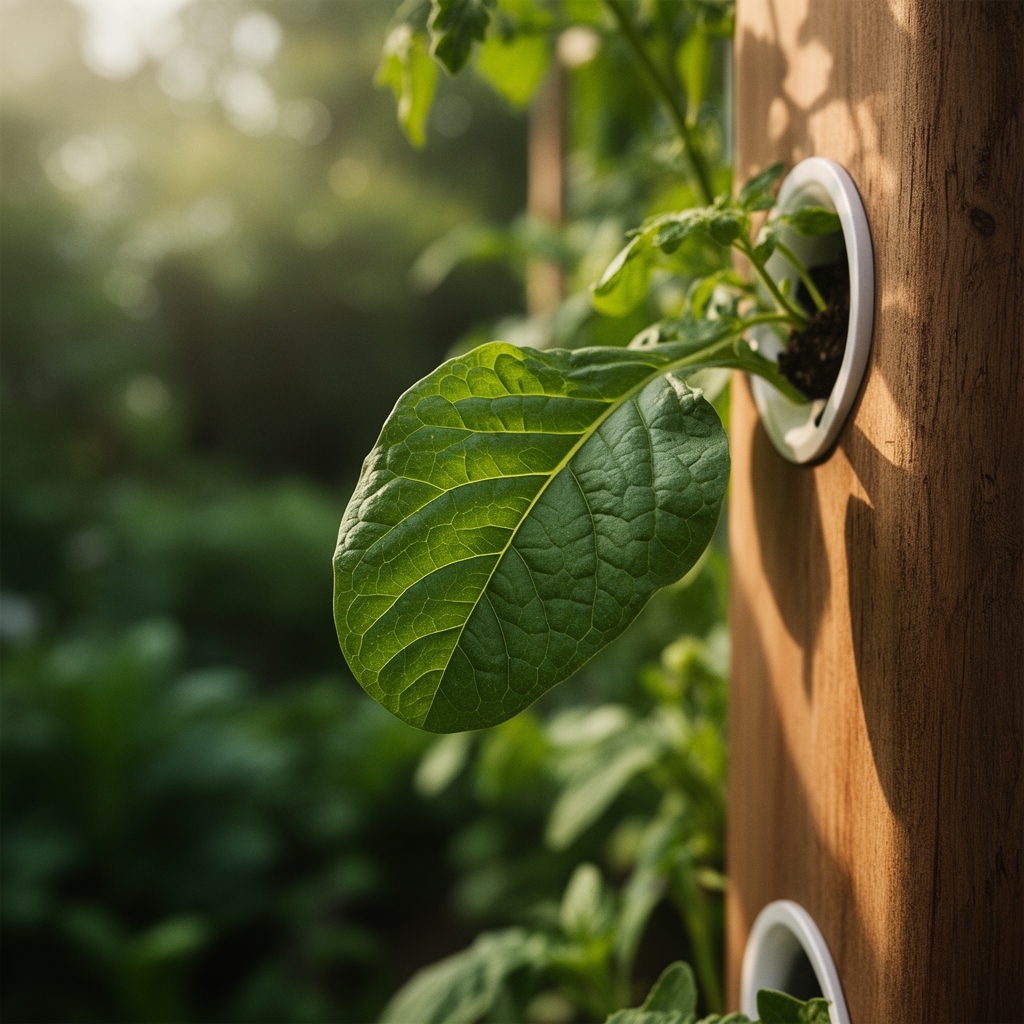
Growing lettuce, herbs, and strawberries in a space one-tenth the size of a traditional garden became possible when I installed my first tower in 2018. The water consumption dropped by 90 percent. The steps to vertical hydroponic towers begin with understanding that these systems stack plants vertically using nutrient-rich water instead of soil, allowing 20 to 40 plants to grow in less than four square feet. Each tower delivers oxygenated solution directly to root zones, accelerating growth rates by 25 to 50 percent compared to conventional methods.
Materials
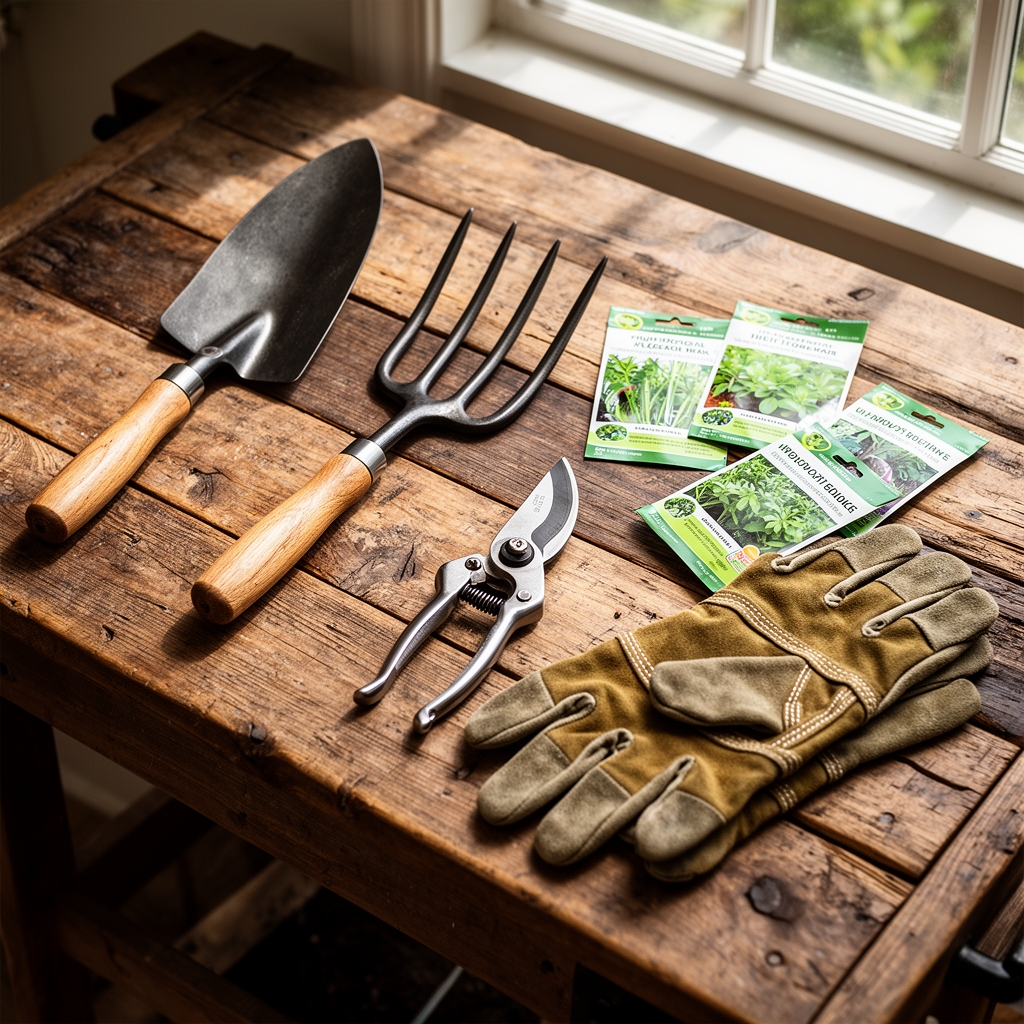
Tower structure options include food-grade PVC pipe (4 to 6 inches in diameter), commercial freestanding units with built-in reservoirs, or DIY wooden frames with stackable net pots. The growing medium must be inert and sterile: expanded clay pellets, coconut coir, or rockwool cubes with a pH buffered to 5.5 to 6.5. Nutrient solutions require a complete hydroponic fertilizer rated at 10-5-14 for fruiting crops like tomatoes, or 20-10-20 for leafy greens. A submersible pump delivering 200 to 400 gallons per hour circulates the solution. Air stones connected to a 10-watt air pump maintain dissolved oxygen above 6 ppm.
pH testing kits or digital meters calibrated weekly ensure the solution remains within the optimal range. Calcium nitrate and magnesium sulfate supplements prevent blossom-end rot in fruiting species. Trace elements including iron chelate (EDTA or DTPA formulations) at 2 to 5 ppm prevent chlorosis. Reservoir size should equal one gallon per plant minimum to buffer nutrient and temperature fluctuations. LED grow lights rated at 30 to 50 watts per square foot provide 14 to 16 hours of photoperiod for vegetative growth.
Timing
Vertical hydroponic systems function year-round indoors. Outdoor installations in Hardiness Zones 8 through 11 operate continuously with frost protection. Zones 5 through 7 require shutdown when nighttime temperatures fall below 50 degrees Fahrenheit. Start seeds indoors 4 to 6 weeks before the last expected frost date if transitioning seedlings outdoors in spring.
Warm-season crops like basil, peppers, and cucumbers perform best when daytime solution temperatures remain between 68 and 75 degrees. Cool-season greens including lettuce, kale, and chard tolerate solution temperatures down to 60 degrees. Install outdoor towers after soil temperatures exceed 55 degrees, typically two weeks post-frost. Indoor systems maintain stable conditions, allowing continuous succession planting every 14 to 21 days.
Phases
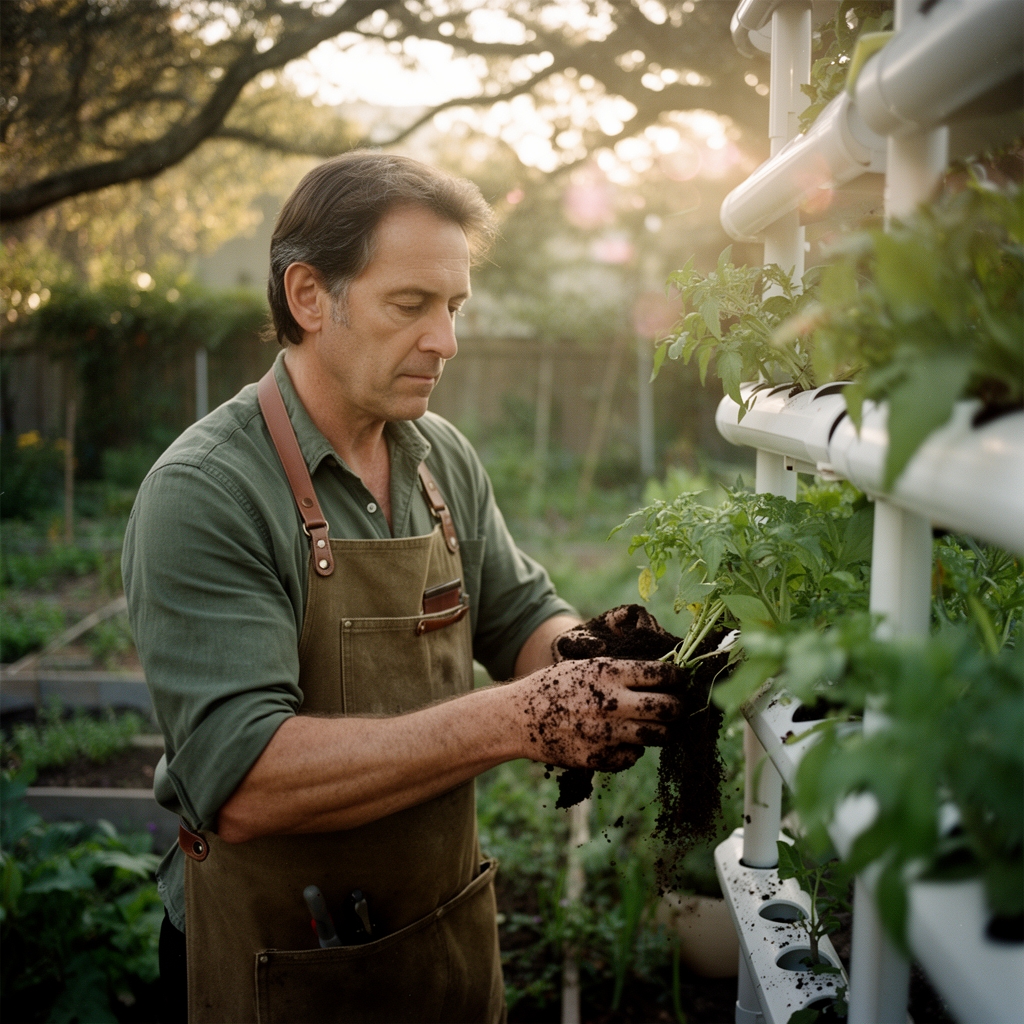
Sowing: Germinate seeds in 1-inch rockwool cubes or starter plugs saturated with quarter-strength nutrient solution (electrical conductivity of 0.8 to 1.2 mS/cm). Place cubes in a humidity dome under T5 fluorescent lights 2 inches above the canopy. Maintain 72 to 78 degrees and 80 percent relative humidity. Seedlings emerge in 3 to 10 days depending on species. Once cotyledons fully expand, reduce humidity to 60 percent and increase light intensity to 200 to 300 micromoles per square meter per second.
Pro-Tip: Inoculate rockwool cubes with Trichoderma harzianum at 1 gram per liter to colonize roots and suppress Pythium root rot before transferring to the tower.
Transplanting: Insert seedlings into net pots when roots protrude 0.5 inches from the cube. Pack expanded clay around the cube to stabilize the plant and prevent light penetration to roots. Arrange plants in the tower with 6 to 8 inches of vertical spacing for greens, 10 to 12 inches for herbs, and 14 to 16 inches for fruiting crops. Pump nutrient solution at pH 5.8 and EC 1.6 to 2.0 mS/cm. Solution should cascade down the tower interior, contacting all root zones for 15 minutes every 2 hours during daylight.
Pro-Tip: Angle pump discharge tubing to create a spiral flow pattern inside the tower, ensuring even nutrient distribution and preventing dry pockets.
Establishing: Roots colonize the tower interior within 7 to 14 days. New vegetative growth signals successful establishment. Increase nutrient strength to EC 2.2 to 2.8 mS/cm for fruiting crops or maintain 1.8 to 2.2 for leafy greens. Monitor auxin distribution by observing apical dominance; prune lower leaves at a 45-degree angle to redirect energy upward. Top plants when they reach 80 percent of desired height to encourage lateral branching.
Pro-Tip: Apply silica supplements at 50 to 100 ppm to strengthen cell walls and improve resistance to mechanical stress and pathogen invasion.
Troubleshooting
Symptom: Leaf tips brown and crispy, beginning with older foliage. Solution: Nutrient burn from excessive EC. Drain 50 percent of reservoir and refill with pH-adjusted water to dilute concentration. Target EC should drop by 0.4 to 0.6 mS/cm.
Symptom: Yellowing between leaf veins while veins remain green. Solution: Iron deficiency caused by pH above 6.5. Lower pH to 5.8 using phosphoric acid and add chelated iron at 3 ppm.
Symptom: Stunted growth with dark green, purplish leaves. Solution: Phosphorus lockout from cold solution temperatures. Install aquarium heater to maintain 68 to 72 degrees.
Symptom: Slimy brown roots with foul odor. Solution: Pythium root rot from low dissolved oxygen. Increase air stone output and reduce watering frequency to 10 minutes per hour. Apply hydrogen peroxide at 10 ml per gallon as a root drench.
Symptom: White powdery coating on leaves. Solution: Powdery mildew from high humidity and poor air circulation. Lower humidity to 50 percent and install an oscillating fan to maintain air movement at 0.5 meters per second across canopy.
Maintenance
Change reservoir solution completely every 14 days to prevent salt accumulation and pathogen buildup. Top off with pH-adjusted water daily, monitoring EC to maintain target ranges. Clean pump intake screens weekly to prevent clogging. Flush tower interior with 3 percent hydrogen peroxide solution monthly to remove biofilm and algae. Prune dead or yellowing leaves immediately to prevent fungal spores.
Inspect roots weekly for color and texture; healthy roots appear white to tan and firm. Calibrate pH and EC meters monthly using standard solutions. Replace air stones every 90 days as pore clogging reduces oxygen transfer efficiency. Rotate tower 90 degrees weekly if using unidirectional light sources to prevent phototropic bending.
FAQ
How many plants fit in a standard tower?
A 5-foot tower with 6-inch vertical spacing accommodates 10 to 12 leafy greens or 6 to 8 fruiting plants.
What is the optimal nutrient solution temperature?
Maintain 68 to 72 degrees Fahrenheit to maximize dissolved oxygen and nutrient uptake while minimizing pathogen growth.
How often should I test pH and EC?
Check pH daily and EC every other day during active growth. Adjust immediately if pH drifts outside 5.5 to 6.5 or EC varies more than 0.3 mS/cm from target.
Can I grow root vegetables in towers?
Radishes and shallow-rooted crops succeed, but carrots, beets, and potatoes require deeper substrate depth than most towers provide.
What causes algae growth in the reservoir?
Light exposure to nutrient solution triggers algae. Use opaque reservoir covers and black tubing to eliminate light penetration. UV sterilizers control existing algae populations.