5 Quick Steps to Start Urban Micro Farming
Growing food in confined city spaces requires precise planning and minimal square footage. Learning how to start urban micro farming begins with understanding that a 4×8-foot raised bed can produce 40 pounds of leafy greens per season when managed with intensive succession planting. The scent of fresh basil on a fire escape or the crisp snap of lettuce grown on a rooftop transforms urban dwellers into producers. This method prioritizes high-value crops with short maturity windows, typically 30 to 60 days from seed to harvest.
Materials
Begin with containers holding at least 6 inches of growing medium for shallow-rooted crops and 12 inches for deeper feeders. Food-grade plastic bins, fabric grow bags (7 to 15 gallons), and cedar raised beds work equally well. The substrate should consist of 40% compost (pH 6.0-7.0), 30% coconut coir for moisture retention, and 30% perlite for aeration. This blend provides a cation exchange capacity above 15 meq/100g, ensuring nutrient availability.
For fertilization, use a balanced 4-4-4 organic meal during initial bed preparation at 2 pounds per 10 square feet. Supplement with liquid fish emulsion (5-1-1) every two weeks during active growth. Maintain substrate pH between 6.2 and 6.8 for optimal nutrient uptake. Purchase a soil test kit measuring nitrogen, phosphorus, potassium, and micronutrients. Invest in a moisture meter to prevent overwatering, the primary cause of root rot in container systems.
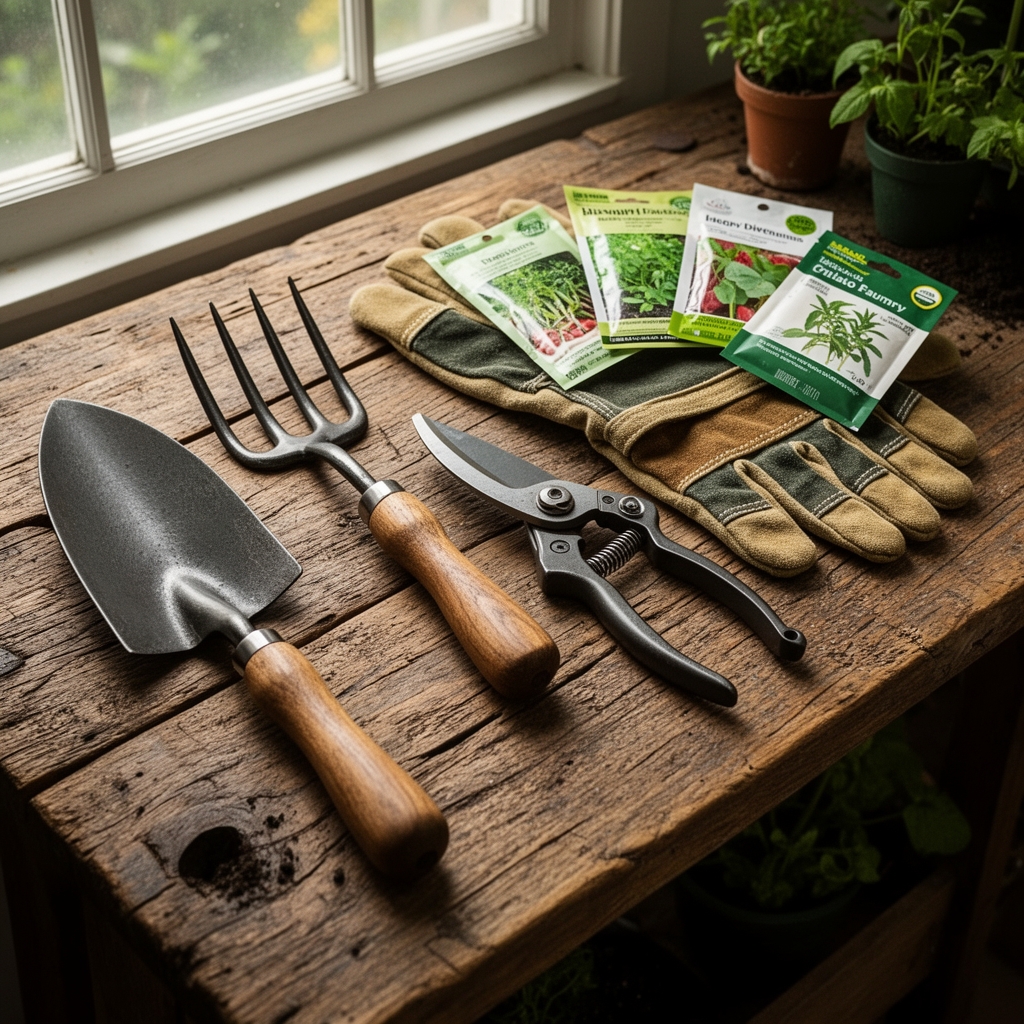
Essential tools include a narrow trowel for tight planting spaces, pruning shears sterilized with 10% bleach solution, and a watering wand with a gentle shower setting. Install a drip irrigation timer if managing more than 20 square feet. Add mycorrhizal fungi inoculant at 1 teaspoon per plant to enhance phosphorus absorption and drought tolerance.
Timing
Urban micro farming operates within compressed seasonal windows. Identify your USDA Hardiness Zone and last spring frost date. Cool-season crops like lettuce, spinach, and radishes tolerate soil temperatures as low as 40°F. Sow these 4 weeks before the last frost date. In Zone 7, this means mid-March. In Zone 9, begin in early February.
Warm-season crops like tomatoes, peppers, and basil require soil temperatures above 60°F. Transplant seedlings 2 weeks after the last frost when nighttime air temperatures stabilize above 50°F. Succession planting every 2 weeks extends harvest periods. Plant a new row of lettuce every 14 days from March through May, then resume in late August for fall production.
Fall crops require reverse calculation. Count backward from the first expected frost date, adding 14 days for slower autumn growth rates. Kale planted 10 weeks before frost will reach harvestable size and withstand temperatures down to 20°F.
Phases
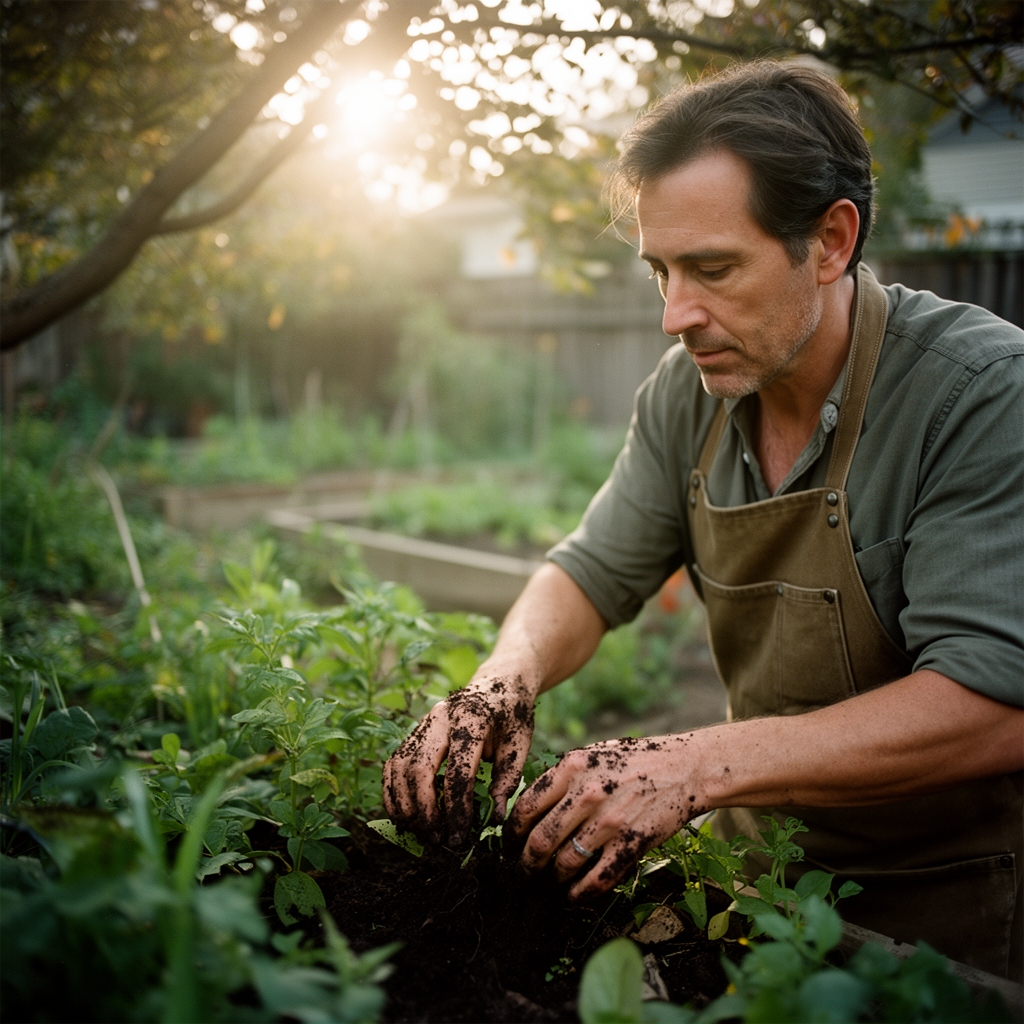
Sowing: Direct seed lettuce, arugula, and radishes at depths twice the seed diameter. Space lettuce seeds 1 inch apart in rows 6 inches apart. Maintain consistent moisture with daily misting until germination, typically 5 to 7 days. Pre-soak larger seeds like peas and beans for 8 hours to accelerate germination. Use seed tape for even spacing in narrow containers.
Pro-Tip: Sprinkle chamomile tea over freshly sown seeds to prevent damping-off disease, a fungal condition that kills seedlings at the soil line.
Transplanting: Start tomatoes, peppers, and herbs indoors 6 to 8 weeks before the last frost. Harden off seedlings by exposing them to outdoor conditions for 1 hour daily, increasing by 1 hour over 7 days. Transplant on an overcast afternoon to reduce transplant shock. Bury tomato stems up to the lowest true leaves, as adventitious roots will form along the buried stem, strengthening the plant.
Pro-Tip: Apply diluted kelp solution (1 tablespoon per gallon) at transplanting to stimulate root development through enhanced auxin distribution.
Establishing: Monitor new transplants for wilting during the first week. Water at the base to avoid foliar diseases. Thin seedlings to final spacing once they develop two true leaves. Lettuce requires 4-inch final spacing, while tomatoes need 18 inches. Mulch with 1 inch of straw to regulate soil temperature and suppress weeds.
Pro-Tip: Prune tomato suckers at 45-degree angles when they reach 2 inches, redirecting energy to fruit production rather than vegetative growth.
Troubleshooting
Symptom: Yellow lower leaves with green veins indicate nitrogen deficiency.
Solution: Apply fish emulsion at double strength (2 tablespoons per gallon) and repeat weekly for 3 weeks.
Symptom: White powdery coating on leaf surfaces signals powdery mildew.
Solution: Spray a solution of 1 tablespoon baking soda and 1 teaspoon horticultural oil per gallon of water. Apply in early morning weekly.
Symptom: Holes in leaves with visible green caterpillars indicate cabbage loopers.
Solution: Handpick pests during early morning inspections. Apply Bacillus thuringiensis (Bt) spray every 5 days until infestation clears.
Symptom: Blossom end rot appears as dark, sunken spots on tomato bottoms.
Solution: Maintain even soil moisture and apply calcium chloride foliar spray (1 tablespoon per gallon) weekly for 4 weeks.
Symptom: Stunted growth with purple-tinged leaves suggests phosphorus deficiency.
Solution: Incorporate bone meal (3-15-0) at 1 tablespoon per plant and water thoroughly.
Maintenance
Water containers when the top inch of substrate feels dry, typically every 1 to 2 days in summer heat. Deliver 1 inch of water per week, measured with a rain gauge. Container gardens dry faster than in-ground plots due to increased surface area exposure.
Feed every 2 weeks with liquid fertilizer during active growth. Switch to a 2-8-4 formula when flowering begins to promote fruit set over foliage. Prune diseased or yellowing leaves immediately to prevent pathogen spread.
Rotate crop families annually to prevent soil-borne disease buildup. Follow heavy feeders like tomatoes with nitrogen-fixing legumes. Refresh substrate annually by removing the top 4 inches and replacing it with fresh compost.
FAQ
How much space is needed to start urban micro farming?
A 4×4-foot area produces enough salad greens for one person weekly with succession planting.
What crops yield the fastest returns?
Radishes mature in 25 days, lettuce in 30 days, and arugula in 35 days from seed.
Can micro farming work on shaded balconies?
Leafy greens tolerate 4 hours of direct sun. Fruiting crops require 6 to 8 hours minimum.
How often should fertilizer be applied?
Every 2 weeks with liquid organic fertilizers at half the package-recommended strength.
What prevents pest problems in small spaces?
Inspect plants every 2 days, maintain air circulation with 6-inch plant spacing, and remove debris promptly.