9 Vital Steps to Use Liquid Gold
The first time you witness nitrogen-starved seedlings transform into deep green, vigorous plants within seventy-two hours of application, the nickname becomes obvious. Urine-based fertilizer, often called liquid gold by permaculturists and organic growers, delivers immediately available nitrogen with minimal processing. Learning the steps to use liquid gold correctly means understanding dilution ratios, timing windows, and soil chemistry interactions that prevent root burn while maximizing nutrient uptake. This amber-colored solution contains urea that soil microbes convert to ammonia, then to nitrate, feeding plants through the same pathways as synthetic fertilizers but with added micronutrients and organic compounds that improve cation exchange capacity.
Materials
Fresh human urine maintains a pH between 5.5 and 7.0, depending on diet and hydration levels. The average NPK ratio sits near 11-1-2.5, making it exceptional for leafy greens during vegetative growth but requiring phosphorus supplementation for fruiting crops. Collect material in dedicated food-grade containers with tight-sealing lids to prevent ammonia volatilization. Pair liquid gold with bone meal (3-15-0) for tomatoes and peppers, or kelp powder (1-0.5-2.5) for balanced feeding across all growth stages.
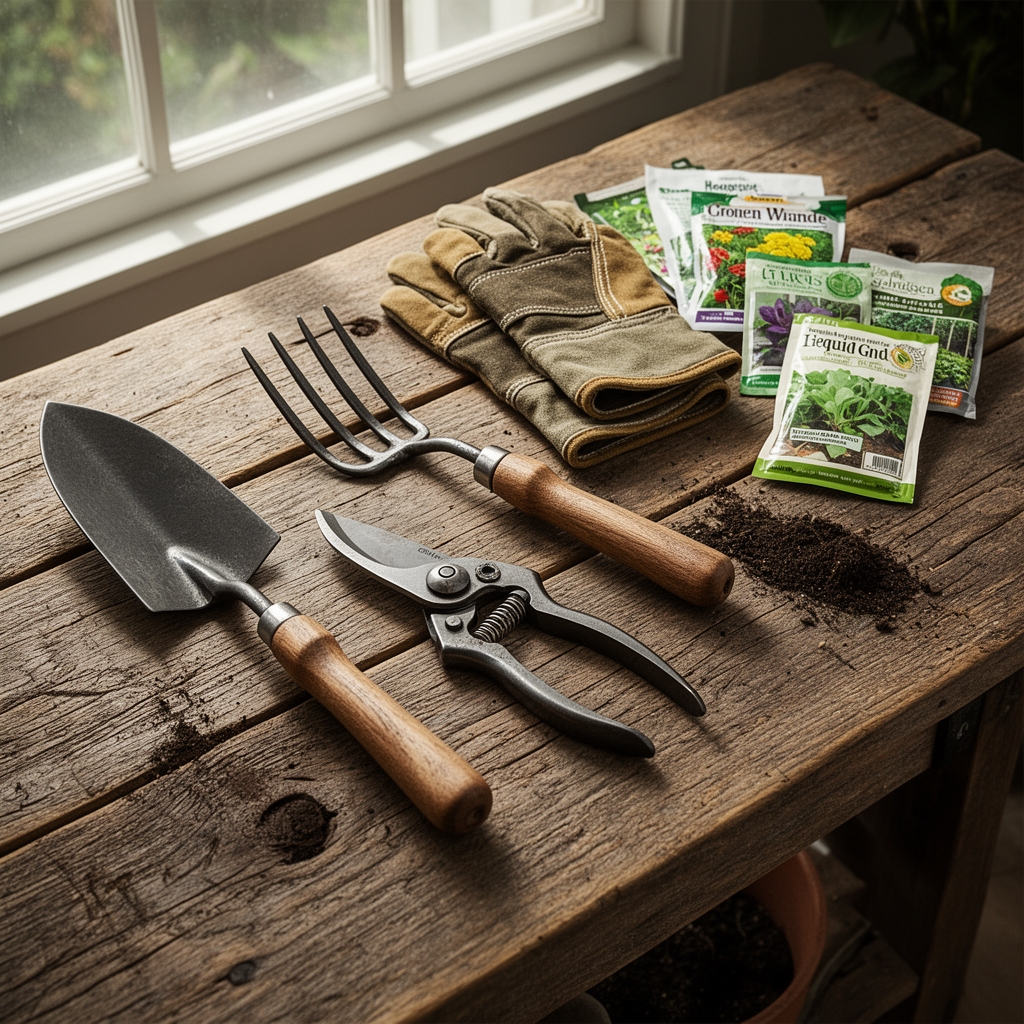
Storage vessels should be opaque HDPE plastic, five-gallon buckets with gamma seal lids, or glass carboys for longer fermentation periods. Add dolomitic limestone at one tablespoon per gallon to buffer pH and provide calcium and magnesium. A refractometer helps monitor total dissolved solids, keeping concentrations below 3,000 ppm before dilution. Rubber gloves, measuring cups marked in milliliters, and pH test strips complete the essential toolkit.
Timing
Zones 3 through 5 should begin indoor applications eight weeks before the last frost date, feeding seedlings under grow lights with 20:1 dilution ratios every ten days. Zones 6 through 8 can apply diluted liquid gold to outdoor beds starting two weeks before the average last frost, warming soil biology and activating dormant mycorrhizal fungi networks. Zones 9 through 11 use liquid gold year-round but reduce application frequency during summer months when soil temperatures exceed 85°F and microbial activity peaks.
Morning application between 6:00 and 9:00 AM allows foliage to dry before evening, reducing fungal spore germination. Avoid feeding within three days of transplanting, as tender root hairs cannot regulate osmotic pressure against concentrated nutrients. Fall applications should cease six weeks before the first expected frost to prevent late-season growth that won't harden off properly.
Phases

Sowing
Dilute fresh liquid gold to 20:1 with dechlorinated water (twenty parts water to one part urine). Bottom-water seedling trays every seven days, allowing capillary action to draw solution through drainage holes. This method prevents damping-off while delivering nitrogen directly to emerging radicles.
Pro-Tip: Inoculate seed-starting mix with Trichoderma harzianum at 1 gram per liter of growing medium. This beneficial fungus colonizes roots within forty-eight hours and increases nitrogen assimilation by 34 percent according to North Carolina State trials.
Transplanting
Age liquid gold for two weeks in a sealed container to convert urea to ammonia, then dilute to 10:1. Pour one cup of solution in each transplant hole, wait fifteen minutes for soil absorption, then position the root ball. This pre-charging technique saturates the immediate rhizosphere with available nitrogen while minimizing transplant shock.
Pro-Tip: Prune tomato seedlings at a 45-degree angle just above the second true leaf node before transplanting. Dip cut stems in aged liquid gold (5:1 dilution) for thirty seconds to stimulate auxin distribution and adventitious root formation along buried stem sections.
Establishing
Apply 10:1 dilution as a soil drench every fourteen days for the first six weeks after transplant. Mature plants tolerate 8:1 ratios during peak vegetative growth. Switch to foliar feeding at 15:1 dilution during flowering, spraying leaf undersides until runoff occurs but stopping applications three weeks before harvest.
Pro-Tip: Monitor electrical conductivity in root zones, keeping readings between 1.5 and 2.5 mS/cm. Values above 3.0 indicate salt accumulation requiring a plain water flush of twice the container volume.
Troubleshooting
Symptom: Leaf tip burn with brown, crispy margins appearing within twenty-four hours of application.
Solution: Flush soil with three times the pot volume of pH-adjusted water. Reduce dilution ratio to 15:1 and extend feeding intervals to twenty-one days.
Symptom: Pale yellow leaves with green veins (interveinal chlorosis) despite regular feeding.
Solution: High nitrogen levels block iron uptake. Foliar spray chelated iron at 150 ppm and reduce liquid gold applications by half for three weeks.
Symptom: White salt crust forming on soil surface.
Solution: Excess ammonia crystallization indicates inadequate drainage. Incorporate perlite at 30 percent by volume and leach soil monthly with calcium-enriched water.
Symptom: Stunted growth with dark green, brittle leaves.
Solution: Phosphorus deficiency from excess nitrogen. Top-dress with soft rock phosphate at 2 tablespoons per square foot and suspend liquid gold for two application cycles.
Maintenance
Apply 0.5 inches of water immediately after each liquid gold treatment to move nutrients below the root mat into deeper soil horizons. During establishment, maintain consistent soil moisture at 60 to 70 percent field capacity, measured with a tensiometer reading between 10 and 20 centibars. Mulch around plants with 2 inches of aged wood chips to prevent ammonia volatilization and moderate soil temperature fluctuations.
Side-dress heavy feeders like brassicas and corn with composted manure (1-1-1) at midseason to complement liquid gold's nitrogen dominance. Rotate application sites in annual beds, treating northern quadrants one week and southern sections the next to prevent localized salt buildup.
FAQ
How quickly does liquid gold work?
Urea converts to plant-available nitrate within 48 to 72 hours when soil temperatures exceed 50°F and adequate moisture supports Nitrosomonas bacterial populations.
Can liquid gold burn plants?
Yes, at concentrations stronger than 8:1 or when applied to dry soil. Always pre-water beds thirty minutes before application and never exceed recommended dilution ratios.
Does aging improve effectiveness?
Aging for 2 to 4 weeks converts urea to ammonia, reducing root burn risk but increasing volatilization losses. Fresh application with proper dilution works equally well for most crops.
What crops benefit most?
Leafy greens (lettuce, spinach, kale), brassicas (cabbage, broccoli), and heavy nitrogen feeders (corn, squash) show the strongest response. Legumes require minimal supplementation due to nitrogen fixation.
Is there an odor concern?
Diluted applications smell faintly of ammonia for 1 to 2 hours. Soil incorporation or immediate watering eliminates detectable odor within minutes.