7 Lush Ways How to Design a Tropical Garden
Crushed basalt and the scent of damp, anaerobic decomposition signal the start of a high-performance landscape. When you learn how to design a tropical garden, you are managing high metabolic rates and rapid biomass accumulation. Success depends on maintaining high turgor pressure in broad-leafed species like Alocasia and Musa. This requires a precise balance of humidity, soil hydrology, and nutrient cycling. You must move beyond aesthetics and focus on the physiological demands of megaphylls that lose water rapidly through transpiration.
Effective tropical design relies on creating a microclimate that mimics the forest floor. You are building a vertical hierarchy of light interception. The upper canopy filters intense solar radiation to protect the understory from leaf scorch. High humidity levels, ideally above 60 percent, prevent the stomata from closing during the heat of the day. Without this environmental control, photosynthesis stalls, and the plant enters a state of metabolic stress. Every placement decision must account for wind shear and thermal mass to ensure the survival of sensitive species.
Materials:
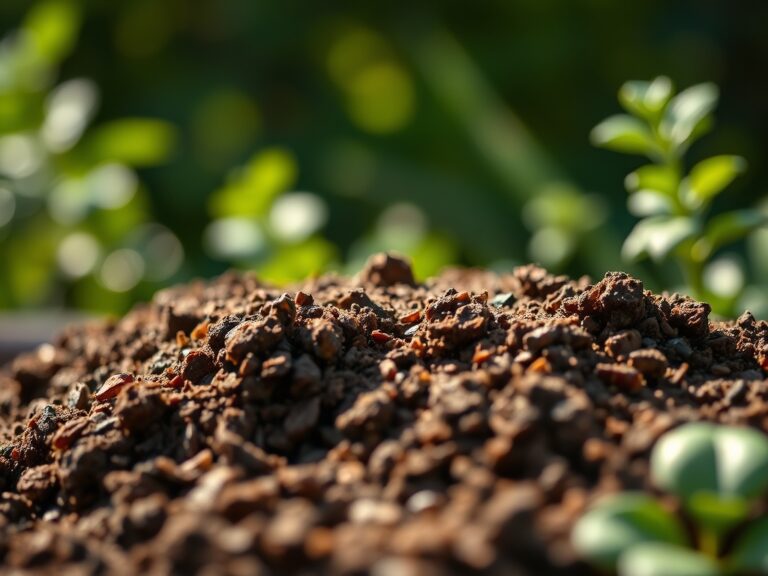
The foundation of a tropical system is a friable loam with a high Cation Exchange Capacity (CEC). This allows the soil to hold onto essential nutrients like ammonium and potassium against the leaching forces of heavy irrigation. Aim for a soil pH between 5.8 and 6.5 to ensure maximum bioavailability of micronutrients.
- Substrate Composition: A mix of 40 percent composted organic matter, 30 percent coarse silica sand, and 30 percent coconut coir provides the necessary aeration.
- Vegetative NPK Ratio: Use a 10-4-8 fertilizer during the primary growth phase. High nitrogen levels support the rapid expansion of leaf tissue.
- Bloom NPK Ratio: Transition to a 5-10-10 formula when targeting floral production in species like Hibiscus or Heliconia.
- Trace Elements: Incorporate chelated iron and manganese to prevent interveinal chlorosis in acidic-loving species.
Timing:
Tropical gardens thrive in USDA Hardiness Zones 9 through 11. If you are located in Zone 8, you must implement thermal protection strategies or select cold-hardy cultivars like Trachycarpus fortunei. The biological clock of these plants is dictated by the photoperiod and moisture availability rather than distinct four-season cycles.
Planting should occur when soil temperatures consistently remain above 65 degrees Fahrenheit. In many regions, this window opens in late spring. The transition from the vegetative stage to the reproductive stage is often triggered by the onset of the rainy season or a shift in daylight hours. Avoid transplanting during the peak of summer heat to minimize transpiration shock; instead, target overcast days with high ambient humidity.
Phases:
Sowing and Propagation
Most tropical perennials are established via rhizome division or stem cuttings rather than seed. When using cuttings, ensure at least two nodes are submerged in a sterile medium. Maintain a constant temperature of 75 to 80 degrees Fahrenheit to encourage rapid root initiation.
Pro-Tip: Apply a rooting hormone containing Indole-3-butyric acid (IBA) to stimulate auxin production. This hormone signals the plant to prioritize root development over apical growth, ensuring a robust foundation.
Transplanting
Dig a hole twice the width of the root ball but no deeper than the original container. Over-burying the crown can lead to fungal pathogens in the rhizosphere. Ensure the root architecture is spread radially to prevent girdling.
Pro-Tip: Inoculate the planting hole with mycorrhizal fungi. This symbiotic relationship extends the root system's reach, increasing the surface area for water and phosphorus absorption by up to 100 times.
Establishing
The first 90 days are critical for establishing hydraulic conductivity between the root ball and the surrounding soil. Water deeply and frequently to eliminate air pockets. Mulch with 3 inches of arborist chips to regulate soil temperature and suppress weed competition.
Pro-Tip: Practice apical pruning on young shrubs to break apical dominance. This redirects energy to lateral buds, creating a denser, more structurally sound plant through the redistribution of auxins.
The Clinic:
Physiological disorders in tropical plants often stem from environmental imbalances rather than pathogens.
- Symptom: Marginal leaf burn (brown edges).
- Solution: This typically indicates low humidity or salt accumulation in the substrate. Increase misting and flush the soil with 3 to 5 gallons of rainwater per square foot to leach excess salts.
- Symptom: Interveinal Chlorosis (yellowing between green veins).
- Solution: This is a classic sign of Iron or Magnesium deficiency. Apply a foliar spray of chelated micronutrients for rapid absorption through the leaf cuticle.
- Symptom: Leaf Abscission (sudden leaf drop).
- Solution: Often caused by rapid temperature fluctuations or "cold shock." Ensure the garden is shielded from northern winds and maintain a consistent irrigation schedule.
Maintenance:
Precision is required to sustain the high biomass of a tropical garden. Monitor the soil daily using a digital soil moisture meter. Most broad-leafed species require 1.5 to 2 inches of water per week, delivered directly to the drip line to avoid wetting the foliage excessively, which can invite fungal spores.
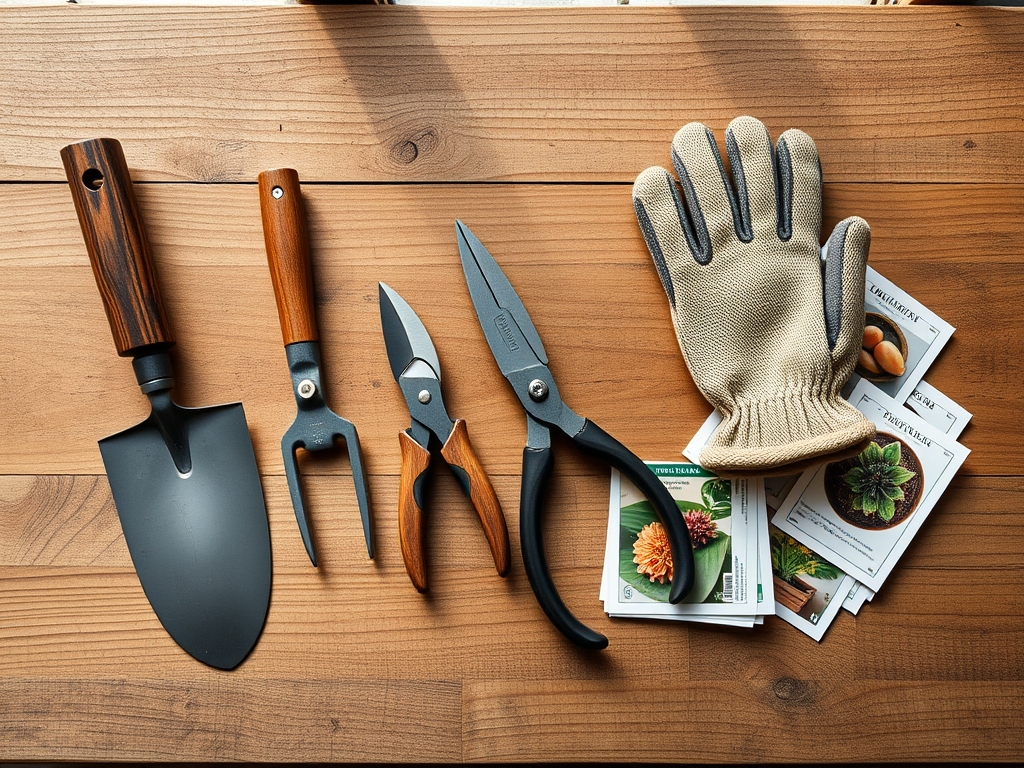
Use a hori-hori knife for precise weeding and planting in tight spaces. For pruning, utilize bypass pruners to make clean, scissor-like cuts that heal faster than anvil-style cuts. Sanitize tools with 70 percent isopropyl alcohol between plants to prevent the mechanical transmission of viruses. Pruning should focus on removing senescent (aging) leaves to redirect carbohydrates to new growth points.
The Yield:
When harvesting tropical flowers like Ginger or Bird of Paradise, cut the stems at a 45-degree angle using a sharp, sterile blade. This maximizes the surface area for water uptake. For edible yields like papaya or mango, harvest when the fruit shows a 25 percent color break to allow for final ripening off the tree.
Post-harvest handling is vital for longevity. Submerge the cut ends of flowers in 110-degree Fahrenheit water immediately to clear air bubbles from the xylem. Store harvested produce in a cool, humid environment to slow the respiration rate and preserve cellular turgor.
FAQ:
How much sun does a tropical garden need?
Most tropical plants require 6 to 8 hours of filtered sunlight. While some species tolerate full sun, many understory plants suffer from leaf scald if exposed to direct midday UV radiation without a canopy layer.
What is the best mulch for tropical plants?
Use organic wood chips or eucalyptus mulch at a depth of 3 inches. This breaks down over time to enrich the soil with organic matter while maintaining the acidic pH levels required by most tropical species.
How do I protect tropical plants from frost?
Apply a thick layer of mulch over the root zone and wrap trunks in burlap or frost blankets. For extreme dips, use C7 incandescent lights under the covers to raise the ambient temperature by a few critical degrees.
Can I grow a tropical garden in clay soil?
Yes, but you must amend it heavily. Incorporate expanded shale and organic compost to improve drainage. Tropical roots will rot in anaerobic, waterlogged clay; elevating the planting bed by 6 inches is often necessary.