6 Best Rocks for Gabion Walls
The smell of damp earth after a heavy rain signals the movement of water through the soil profile; a process that dictates the structural integrity of your landscape. Selecting the best rocks for gabion walls requires an understanding of both geology and hydraulic conductivity. You are not just building a barrier. You are managing the hydrostatic pressure that threatens the turgor pressure of your plantings and the stability of the rhizosphere. A successful gabion installation relies on the angularity of the stone to ensure mechanical interlocking. This prevents the wire mesh from bulging under the weight of the substrate. Every choice must account for the local climate and the specific mineralogy of the fill material.
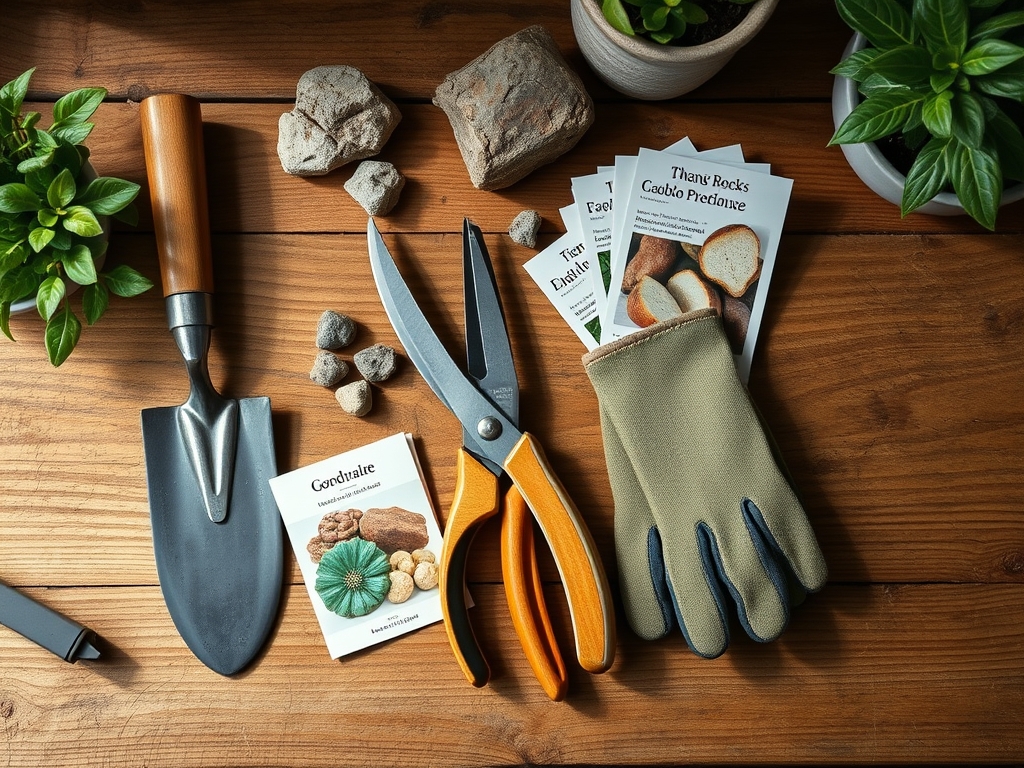
Materials:
The interaction between the gabion fill and the surrounding soil is a matter of chemical equilibrium. If you are planting into or behind the wall, the soil should be a **friable loam** with a **Cation Exchange Capacity (CEC) between 15 and 25 meq/100g**. This ensures the soil can hold essential nutrients against leaching.
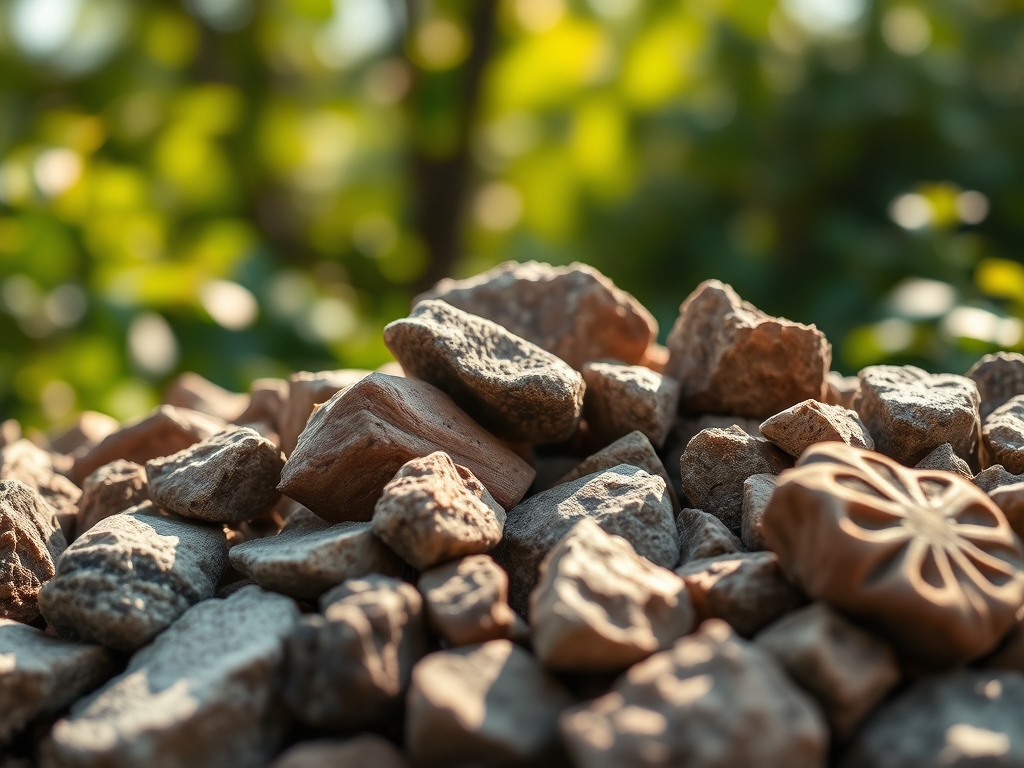
For optimal plant health in the vicinity of these stones, maintain a soil pH between 6.0 and 7.0. When backfilling, incorporate a slow-release fertilizer with an NPK ratio of 10-10-10 to support initial root establishment. The best rocks for gabion walls include:
- Basalt: An igneous rock with high density. It is chemically inert and will not alter soil pH.
- Granite: Resistant to freeze-thaw cycles. It has a high compressive strength, typically exceeding 150 MPa.
- Limestone: High calcium carbonate content. Note that this can raise soil pH over time, affecting acid-loving plants.
- Sandstone: Porous and lighter. It allows for some moisture retention but has a lower structural load capacity.
- Quartzite: Extremely hard and non-porous. It provides excellent longevity in high-moisture environments.
- River Rock: Only suitable for internal fill if mixed with angular stone. Smooth surfaces lack the friction needed for structural stability.
Timing:
Installation should occur when the ground is not frozen to ensure proper compaction of the base leveling pad. In Hardiness Zones 4 through 7, aim for late spring or early autumn. This avoids the peak of the summer heat, which can cause rapid desiccation of any vegetation integrated into the wall.
The biological clock of the surrounding flora is critical. Transitioning from vegetative to reproductive stages requires consistent moisture. Installing a gabion wall during the dormant season (late winter) allows the soil to settle before the spring flush of growth. This timing ensures that the root systems can navigate the new drainage patterns created by the stone structure before the high-transpiration demands of July and August.
Phases:
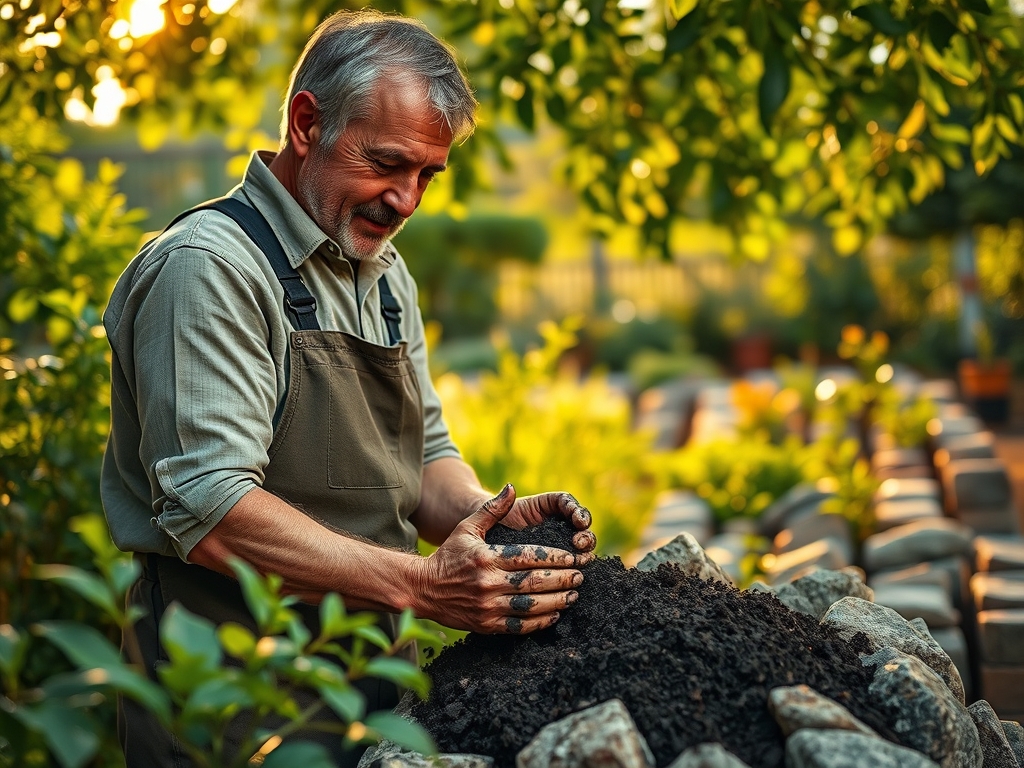
Sowing and Base Preparation
Excavate the site to a depth of 6 to 12 inches below the frost line. Lay a non-woven geotextile fabric to prevent the migration of fines from the soil into the rock voids. Fill the base with graduated aggregate (0.75 to 1.5 inches) and compact it to 95 percent Proctor density.
Pro-Tip: Use a geotextile to manage the rhizosphere. This prevents soil particles from clogging the drainage gaps; a biological necessity to prevent anaerobic conditions that lead to root rot.
Transplanting and Filling
Position the galvanized steel baskets. When filling with your chosen best rocks for gabion walls, hand-place the exterior stones with the flat faces against the mesh. For units taller than 3 feet, install internal cross-ties every 12 vertical inches to prevent outward bowing.
Pro-Tip: Direct contact between the stone and the soil behind the wall facilitates capillary action. This allows moisture to move toward the roots via adhesion and cohesion, supporting plant turgor during dry spells.
Establishing the Structure
If you are incorporating "living walls," insert rooted cuttings or plugs into the gaps between stones using a mixture of 70 percent crushed stone and 30 percent organic compost. Ensure the roots make direct contact with the backfill soil.
Pro-Tip: Use auxin-based rooting hormones on cuttings to suppress apical dominance and encourage lateral root branching. This increases the mechanical grip of the plant within the stone matrix.
The Clinic:
Physiological disorders in plants near gabion walls often stem from the thermal mass of the stone or altered drainage.
- Symptom: Leaf Scorch. The margins of the leaves turn brown and brittle.
- Solution: This is often due to the high albedo or heat retention of the rocks. Increase irrigation frequency to maintain cell turgor.
- Symptom: Iron Chlorosis. New leaves are yellow with green veins.
- Solution: Common near limestone gabions. The high calcium carbonate raises pH, locking up iron. Apply chelated iron to the soil.
- Symptom: Stunted Growth. Short internodes and small leaf surface area.
- Solution: Check for soil compaction behind the wall. Use a soil moisture meter to ensure water is reaching the root zone and not just draining through the stones.
Fix-It for Nitrogen Chlorosis: If older leaves turn uniformly pale yellow, the plant lacks nitrogen. Apply a liquid fertilizer with a high N-value (20-10-10) to quickly restore chlorophyll production.
Maintenance:
A gabion wall is low-maintenance but requires periodic inspection. Use a soil moisture meter weekly during the first growing season to verify that the drainage is not too aggressive for your specific plant species. Most ornamental plants behind the wall will require 1.5 inches of water per week delivered at the drip line.
Keep a hori-hori knife on hand to remove deeply rooted weeds that may seed into the rock faces. Use bypass pruners to manage any "living wall" vegetation, ensuring that woody stems do not grow thick enough to deform the wire mesh. Check the wire coating annually for signs of abrasion or corrosion; especially if using acidic soil amendments.
The Yield:
For those using gabion walls to create raised herb or vegetable beds, harvest timing is dictated by the heat-sink effect of the stone. Rocks like basalt absorb solar radiation during the day and release it at night. This can extend your growing season by 2 to 3 weeks in the autumn. Harvest leafy greens in the early morning when turgor pressure is at its peak. This ensures the leaves are crisp and have the highest concentration of nutrients. Place harvested crops immediately in a cool, shaded environment to slow down senescence.
FAQ:
What is the best size rock for gabion walls?
Standard gabion baskets with a 3-inch by 3-inch mesh require stones between 4 and 8 inches in diameter. This size ensures the rocks are large enough to stay contained while small enough to be hand-packed for stability.
Can I use limestone for my gabion wall?
Yes, but be aware of the chemical impact. Limestone is durable but can leach calcium carbonate into the soil. This raises the pH level, which may cause nutrient lockout in acid-loving plants like azaleas or blueberries.
How long do galvanized steel gabion baskets last?
In a well-drained environment with a neutral pH, hot-dipped galvanized baskets can last 40 to 50 years. In highly acidic soils or coastal salt-spray environments, this lifespan may be reduced to 20 years without additional PVC coating.
Do gabion walls need a concrete foundation?
Generally, no. They are flexible structures that can accommodate minor soil movement. A compacted base of crushed stone (6 to 12 inches deep) is sufficient for most residential applications, provided the ground has adequate bearing capacity.