10 Best Way to Share Plant Babies
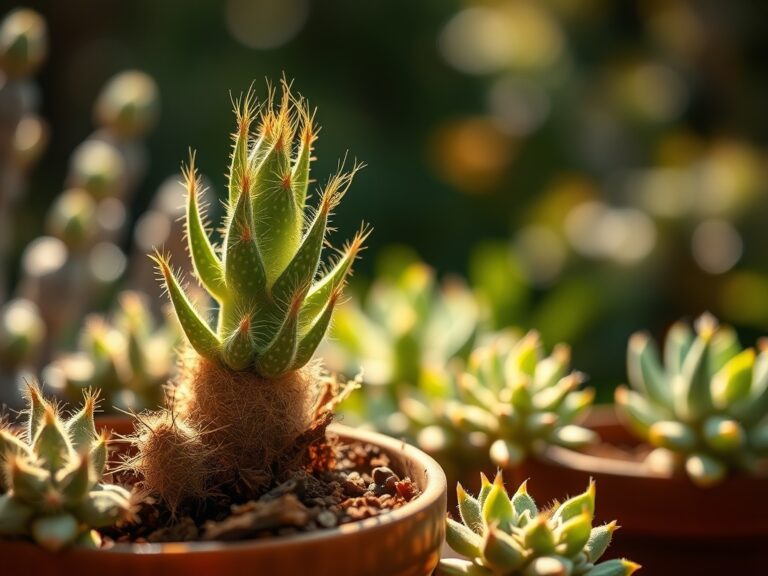
Crushing a handful of damp, friable loam reveals the earthy scent of geosmin; this microbial byproduct signals a healthy rhizosphere. When the turgor pressure of a succulent leaf resists a firm squeeze, the specimen is primed for propagation. Understanding the best way to share plant babies requires more than sentiment; it demands a rigorous application of botanical physics and cellular biology to ensure the genetic material survives the transition from the parent host to a new substrate.
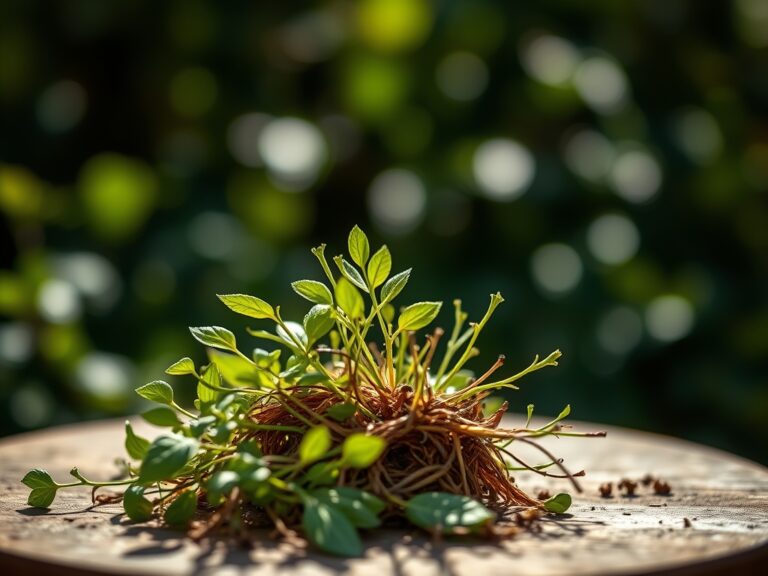
Successful propagation hinges on the management of auxin levels and the preservation of vascular integrity. Whether you are severing a stolon or dividing a root ball, the objective remains the same: minimize cellular stress during the period of heterotrophic dependency. A plant baby is a vulnerable biological unit. It lacks the established root mass to regulate hydration and nutrient uptake independently. Therefore, the methodology must be precise, data-driven, and executed with sterilized equipment to prevent the introduction of pathogens into fresh vascular wounds.
Materials:
The substrate is the foundation of successful clonal propagation. For most tropical and temperate species, a soil pH between 5.8 and 6.5 is optimal for nutrient bioavailability. The Cation Exchange Capacity (CEC) must be high enough to hold essential ions but porous enough to allow for gas exchange.
A professional propagation mix should consist of 50 percent perlite or coarse sand and 50 percent peat moss or coconut coir. This ensures a friable texture that prevents root suffocation. For initial growth, utilize a low-concentration NPK ratio of 5-10-5. High phosphorus levels encourage ATP production and root elongation without forcing excessive, weak vegetative growth. Avoid heavy nitrogen fertilizers (above 10 percent) during the rooting phase, as this can lead to cellular elongation that compromises the structural integrity of the stem.
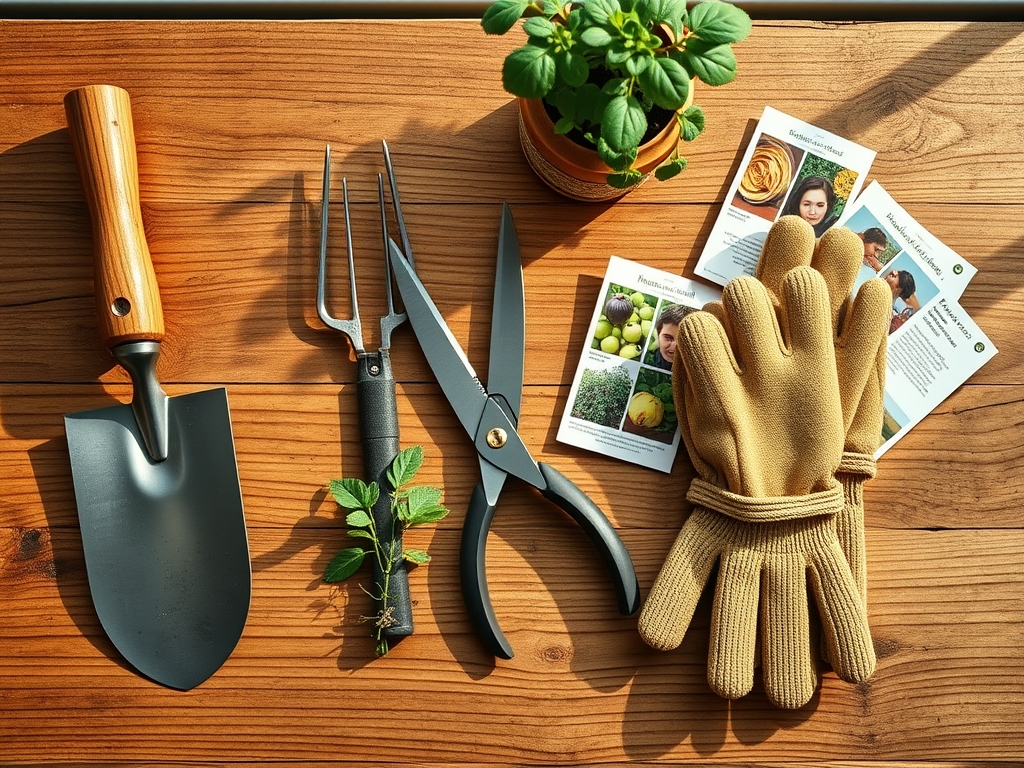
Essential tools include a sterilized hori-hori knife for divisions and bypass pruners with high-carbon steel blades to ensure clean, non-crushing cuts. Have a soil moisture meter calibrated to a scale of 1 to 10 to monitor the volumetric water content of the new containers.
Timing:
Timing is dictated by the photoperiod and the internal biological clock of the species. In Hardiness Zones 5 through 8, the primary window for sharing plant babies opens in early spring, approximately two to three weeks before the last frost date. This coincides with the transition from dormancy to the vegetative stage, when metabolic activity and sap flow are at their peak.
The "Biological Clock" of the plant governs the distribution of phytohormones. For softwood cuttings, harvest when the new growth has reached a state of semi-rigidity but before the tissue lignifies into hardwood. For divisions, the window is late autumn or early spring when the plant is not diverted by the high energy demands of reproductive stages (flowering). Ensure the ambient temperature remains between 65 and 75 degrees Fahrenheit to optimize the rate of mitosis in the meristematic tissues.
Phases:
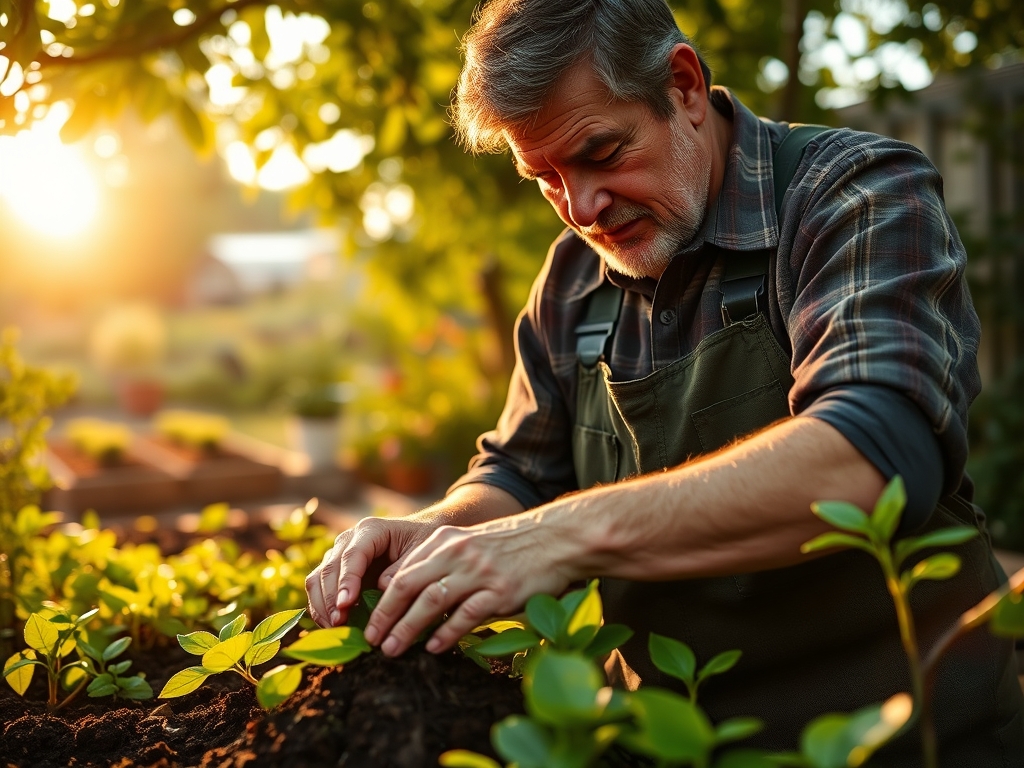
Sowing and Cutting
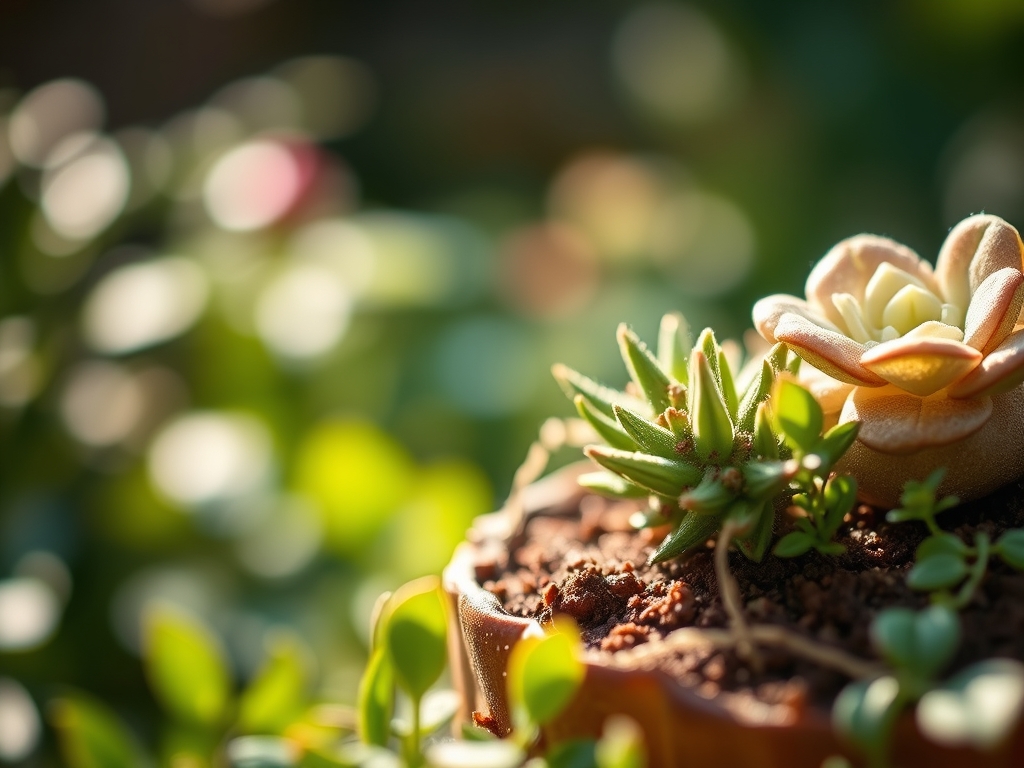
When taking a cutting, identify a node containing undifferentiated meristematic cells. Make a 45-degree angular cut to increase the surface area of the cambium layer. This exposure maximizes the site for adventitious root formation. If using seeds, sow at a depth exactly two times the diameter of the seed to ensure adequate oxygen access.
Pro-Tip: Dip the wounded end in an indole-3-butyric acid (IBA) solution. This synthetic auxin suppresses lateral bud growth and redirects the plant's energy toward radical initiation through a process called apical dominance reversal.
Transplanting
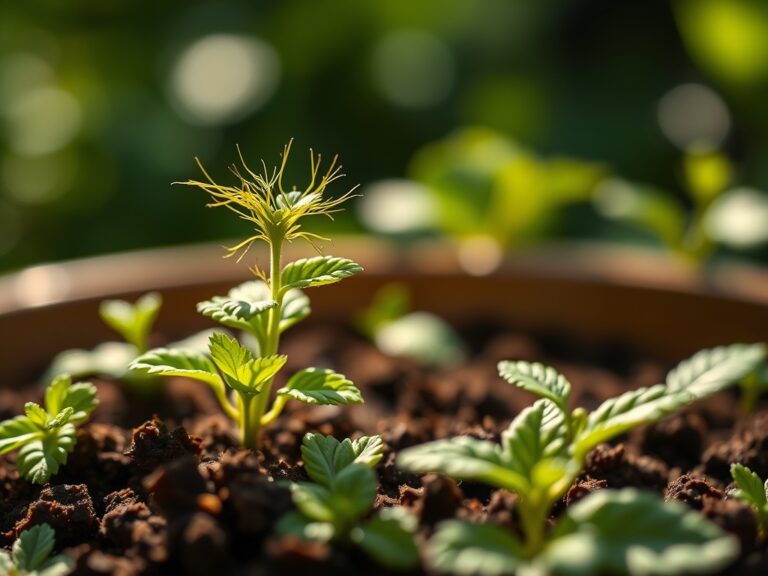
Once the specimen has developed at least two inches of primary root growth, it is ready for relocation. Dig a hole twice the width of the root mass. Ensure the crown of the plant sits exactly at the soil line; burying the crown leads to anaerobic conditions and subsequent stem rot.
Pro-Tip: Inoculate the transplant hole with endomycorrhizal fungi. This establishes a symbiotic relationship where the fungi extend the root system's reach, increasing the uptake of phosphorus and water by up to 300 percent.
Establishing
The first 14 days are the critical establishment phase. Maintain high humidity (above 70 percent) to reduce the vapor pressure deficit. This prevents the plant from losing more water through transpiration than it can intake through its nascent root system.
Pro-Tip: Use a humidity dome to maintain turgor pressure. By reducing the rate of transpiration, you allow the plant to focus its limited glucose reserves on cellular repair and secondary root branching rather than metabolic cooling.
The Clinic:
Physiological disorders often mimic infectious diseases. Accurate diagnosis requires a systematic review of environmental variables.
Symptom: Interveinal chlorosis (yellowing between green veins) on new leaves.
Solution: This indicates an Iron (Fe) deficiency, often caused by a pH above 7.0. Lower the pH using elemental sulfur to unlock the iron ions.
Symptom: Marginal leaf burn or necrosis on older foliage.
Solution: This suggests Potassium (K) deficiency or salt accumulation. Flush the substrate with three times the pot's volume of deionized water to reset the EC (Electrical Conductivity) levels.
Symptom: Epinasty (downward curling of leaves).
Solution: This is often a sign of overwatering leading to root hypoxia. Reduce irrigation until the soil moisture meter reads 3 or 4 at a depth of three inches.
Fix-It for Nitrogen Chlorosis: If the entire leaf turns pale green or yellow starting from the bottom, apply a liquid fertilizer with a 10-5-5 NPK ratio. Nitrogen is a mobile nutrient; the plant scavenges it from old growth to support new meristems.
Maintenance:
Precision maintenance prevents the "transplant shock" that kills 40 percent of shared plant babies. Provide 1.5 inches of water per week delivered at the drip line to encourage lateral root expansion. Use a soil moisture meter daily for the first month.
Pruning should be minimal during the first season. Use bypass pruners only to remove necrotic tissue or "suckers" that drain energy from the main leader. If the plant is an outdoor perennial, apply a two-inch layer of organic mulch, keeping it three inches away from the stem to prevent fungal pathogens from bridging from the soil to the bark. Monitor the Cation Exchange Capacity annually; adding compost can improve the soil's ability to hold onto magnesium and calcium ions.
The Yield:
For those sharing edible "babies" like strawberry runners or herb divisions, harvesting for the recipient requires specific post-harvest handling. Harvest in the pre-dawn hours when the plant's turgor pressure is at its maximum. Use a hori-hori knife to lift the plant, keeping as much of the native soil (the "root ball") intact as possible.
Wrap the root system in damp burlap or unbleached paper towels. Place the specimen in a cool, shaded environment (55 to 60 degrees Fahrenheit) immediately. This slows the respiration rate, preserving the internal carbohydrate stores. For "day-one" freshness, the recipient should transition the plant into its new substrate within six hours of the initial extraction.
FAQ:
What is the best way to share plant babies safely?
The safest method is through established root divisions or rooted cuttings in a sterile, soil-less medium. Ensure the parent plant is hydrated for 24 hours before the procedure to maximize cellular turgor and minimize recovery time.
How do I prevent my cuttings from wilting?
Maintain a high humidity environment and avoid direct solar radiation. Use a sharp, sterilized blade to prevent crushing the xylem. Reducing the leaf surface area by half can also lower the transpiration rate during the rooting phase.
Which NPK ratio is best for new transplants?
A starter fertilizer with a 5-10-5 ratio is ideal. The higher middle number (phosphorus) stimulates ATP production and root development, while the lower nitrogen level prevents leggy, weak top growth that the new roots cannot yet support.
Can I share plants in the middle of summer?
Summer sharing is risky due to high heat and high vapor pressure deficits. If necessary, perform the move during a cloudy day or in the evening. Provide temporary shade and consistent moisture to mitigate extreme thermal stress.