8 Simple Steps to a Mediterranean Indoor Garden
Crushing a sun-dried leaf of Rosmarinus officinalis between your thumb and forefinger releases volatile oils that define the scrublands of the Mediterranean basin. Inside the home, the challenge is replicating the intense solar radiation and rapid drainage of the Aegean coast. Success requires managing the turgor pressure within the plant cells to prevent wilting while maintaining a low-humidity environment. To achieve these specific environmental parameters, you must master the eight steps to a mediterranean indoor garden. This process demands rigorous control over the rhizosphere and a strict adherence to light cycles. You are not merely growing plants; you are engineering a microclimate where the air is dry and the soil is lean. Achieving this balance prevents the root rot that typically kills indoor specimens. Focus on the structural integrity of the stems and the thickness of the cuticle. A healthy Mediterranean plant feels rigid and waxy. This tactile feedback confirms that the plant is properly sequestering water and building the essential oils that provide its characteristic scent.
Materials:
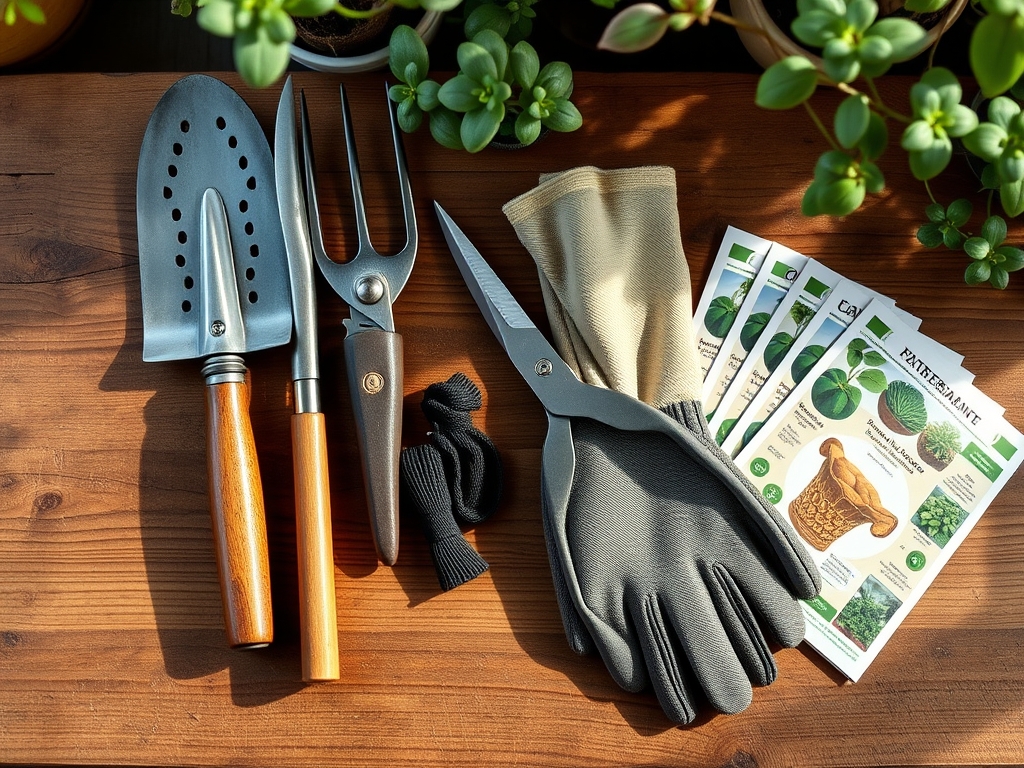
The foundation of this system is a friable loam with high porosity. Mediterranean species like lavender, thyme, and citrus require a soil pH between 6.5 and 7.5. Avoid peat-heavy mixes that retain excessive moisture and lower the pH. Instead, utilize a substrate composed of 40 percent coarse sand or perlite, 40 percent composted bark, and 20 percent sterilized topsoil. This mixture ensures a high Cation Exchange Capacity (CEC), allowing the roots to efficiently swap hydrogen ions for essential nutrients.
Regarding nutrition, these plants thrive on a "lean" diet. For the vegetative stage, utilize a fertilizer with an NPK ratio of 10-10-10 at half strength. When moving toward the flowering or fruiting stage, shift to a 5-10-15 ratio to provide the potassium necessary for fruit development and cellular strength. Avoid high-nitrogen fertilizers; excessive nitrogen leads to rapid, succulent growth that lacks the essential oil concentration and structural rigidity required for long-term health.
Timing:
While indoor gardening bypasses external frost dates, the biological clock of Mediterranean plants remains tethered to the photoperiod. Most of these species originate in Hardiness Zones 8 through 11. Indoors, you must simulate the transition from winter dormancy to spring growth. Begin your primary planting phase in late winter, approximately six weeks before the local outdoor last frost date. This aligns with the natural increase in solar intensity.
The transition from the vegetative stage to the reproductive stage is triggered by light duration. For citrus and lavender, a minimum of 12 to 14 hours of high-intensity light is required to initiate budding. If your indoor space provides less than 800 foot-candles of light, you must supplement with full-spectrum LED arrays to prevent senescence, the premature aging and dropping of leaves due to insufficient energy production.
Phases:

Sowing and Germination
Start seeds in a sterile medium at a constant temperature of 70 to 75 degrees Fahrenheit. For woody herbs like rosemary, use a heat mat to maintain soil warmth. Ensure the medium stays damp but never saturated.
Pro-Tip: Utilize a light dusting of mycorrhizal fungi on the seeds. This establishes a mycorrhizal symbiosis, where the fungi extend the root system's reach, increasing the uptake of phosphorus and water.
Transplanting
Move seedlings when they have developed two sets of true leaves. Use a hori-hori knife to lift the root ball without disturbing the delicate fine hairs. Transition them into terracotta pots, which allow for lateral evaporation through the porous clay walls.
Pro-Tip: When transplanting, do not bury the crown of the plant. Maintaining the crown slightly above the soil line prevents adventitious root rot, a common failure in indoor Mediterranean setups where air circulation is limited.
Establishing and Pruning
Once the plant reaches six inches in height, begin structural pruning. Use bypass pruners to make clean cuts at a 45-degree angle just above a node.
Pro-Tip: Pruning the terminal bud suppresses auxin, the hormone responsible for apical dominance. This redirection of hormonal energy encourages lateral branching, resulting in a bushier, more productive plant rather than a leggy, unstable one.
The Clinic:
Physiological disorders in an indoor Mediterranean garden are usually the result of environmental stress rather than pathogens.
- Symptom: Interveinal Chlorosis (Yellow leaves with green veins).
Solution: This indicates a Magnesium deficiency. Apply a solution of one tablespoon of Epsom salts per gallon of water to the soil. - Symptom: Leaf Drop in Citrus.
Solution: This is often caused by osmotic shock from cold water or sudden temperature shifts. Ensure irrigation water is at room temperature and keep plants away from air conditioning vents. - Symptom: Tip Burn.
Solution: This suggests Boron toxicity or salt buildup from synthetic fertilizers. Flush the growing medium with distilled water until the runoff is clear. - Symptom: Nitrogen Chlorosis (General paling of older leaves).
Fix-It: Apply a fast-acting organic fish emulsion with a 5-1-1 NPK ratio to quickly restore chlorophyll production.
Maintenance:
Precision is the difference between a surviving plant and a thriving one. Use a soil moisture meter to ensure the substrate has reached a Level 2 or 3 (dry) before adding water. When you do irrigate, apply water until it drains freely from the bottom of the pot; this flushes out accumulated salts. Generally, Mediterranean plants require approximately 1.5 inches of water per week, delivered in one or two deep sessions rather than frequent light misting.
Maintain air circulation with a small oscillating fan. This strengthens the stems through thigmomorphogenesis, the plant's response to physical stress, and reduces the risk of fungal spores settling on the foliage. Every six months, use your bypass pruners to remove any dead or crossing branches to maintain an open canopy, allowing light to reach the interior leaves.
The Yield:
Harvesting is a critical step in the plant's lifecycle. For herbs, harvest in the morning when the essential oil concentration is at its peak. Never remove more than one-third of the plant's biomass at one time to avoid stalling growth. For woody perennials, use sharp snips to cut stems just above a growth node.
Post-harvest handling is vital for "day-one" freshness. For herbs, place the cut ends in a glass of cool water, similar to a bouquet of flowers, and store them at room temperature. For citrus, harvest when the fruit yields slightly to pressure and the rind is fully colored. Store fruit in a cool, dark location to slow the metabolic rate and preserve the sugar-to-acid ratio.
FAQ:
How much light do Mediterranean plants need indoors?
These species require 6 to 8 hours of direct sunlight or 12 hours of supplemental full-spectrum light. Aim for a minimum of 800 foot-candles to maintain photosynthesis and prevent leggy growth or leaf drop.
Why are the leaves on my rosemary turning brown and brittle?
This usually indicates root desiccation or extreme low humidity. While they prefer dry air, indoor heating can drop humidity below 30 percent. Use a pebble tray to maintain a localized humidity of 40 to 50 percent.
Can I use standard potting soil for my Mediterranean garden?
Standard soil often contains too much peat, which retains moisture and causes root rot. Amend standard mixes with 30 percent coarse grit or perlite to ensure the rapid drainage these plants require for healthy root respiration.
How often should I fertilize my indoor Mediterranean herbs?
Fertilize sparingly. Use a balanced, water-soluble fertilizer at half-strength once every four weeks during the spring and summer. Cease fertilization during the winter months when the plant's metabolic rate slows down during its natural rest period.