7 Best Bio-filters for Clear Water
The smell of anaerobic decay in a pond is the scent of systemic failure. When stagnant water loses its oxygen load, the resulting sludge indicates a collapse of the nitrogen cycle. To reverse this, you must deploy the best bio-filters for clear water by utilizing the physiological power of aquatic macrophytes. These plants do not merely decorate a water feature; they act as living kidneys. They process ammonia and nitrites through their root systems, leveraging the microbial colonies in the rhizosphere to strip excess nutrients from the water column. A healthy pond exhibits high turgor pressure in its foliage and a crisp, earthy scent. Achieving this clarity requires a precise understanding of botanical filtration and the chemical balance of the aquatic environment.
Materials:
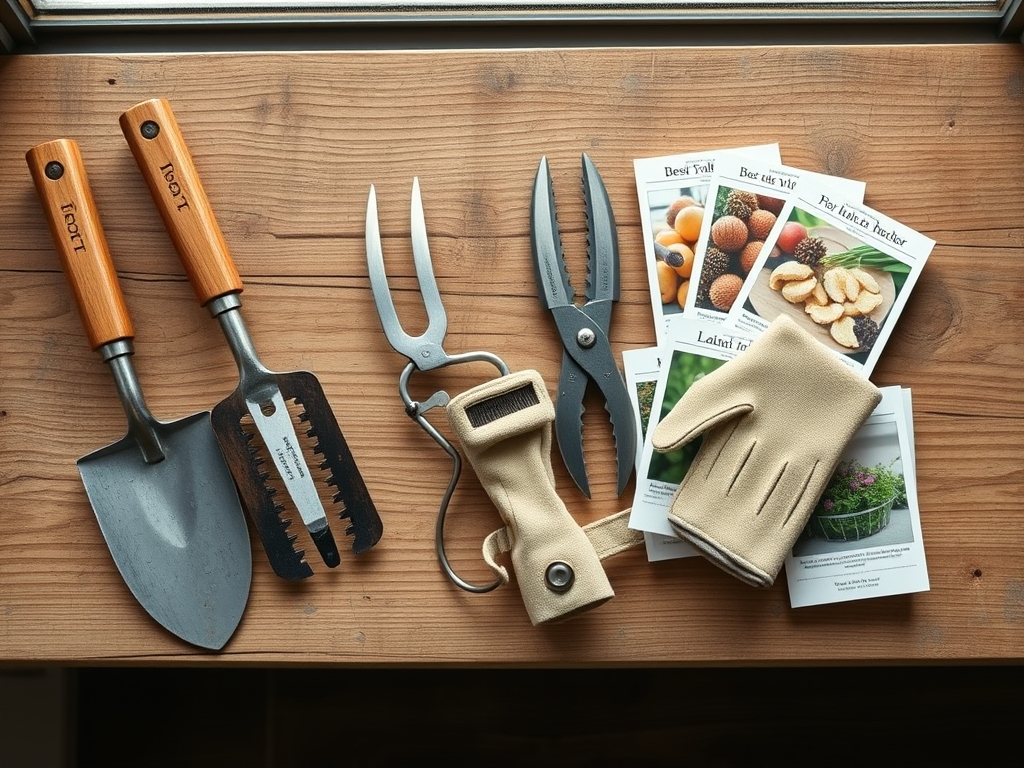
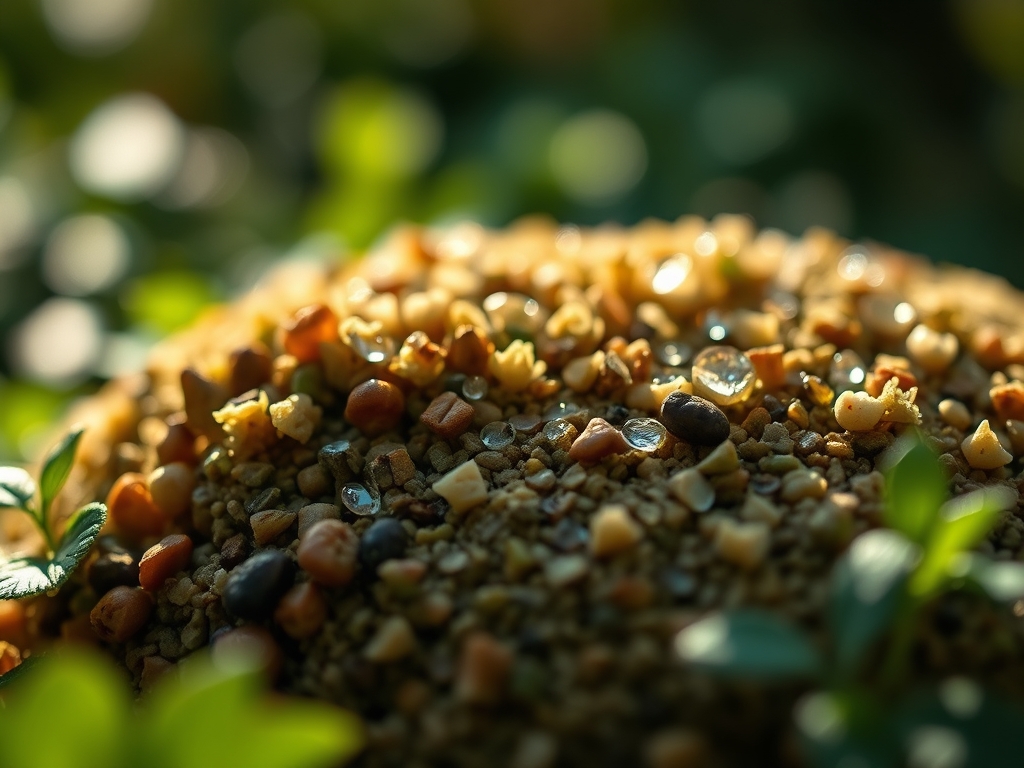
The substrate is the foundation of any biological filtration system. For potted aquatic plants, use a friable loam that is heavy in clay content to prevent leaching. Avoid standard potting soils containing perlite or peat moss, as these will float and cloud the water. The ideal soil pH for these bio-filters ranges from 6.5 to 7.5.
Nutrient requirements vary by species, but a controlled-release aquatic fertilizer with an NPK ratio of 10-26-10 is standard for establishing root systems without triggering an algal bloom. High phosphorus (the middle number) encourages the massive root surface area necessary for nutrient sequestration. The Cation Exchange Capacity (CEC) of your substrate determines how effectively it holds onto positively charged ions like ammonium (NH4+). A high-clay substrate provides more binding sites for these ions, making them available for plant uptake through the roots rather than allowing them to fuel suspended algae.
Timing:
Most aquatic bio-filters are hardy in USDA Zones 4 through 11, though specific species have narrower ranges. The "Biological Clock" of these plants is driven by the photoperiod and water temperature. Vegetative growth begins in earnest when water temperatures consistently reach 55 degrees Fahrenheit.
The transition from vegetative to reproductive stages (flowering) typically occurs during the long days of June and July. For maximum filtration efficiency, you must establish your plants at least four weeks before the summer solstice. This ensures the root mass is sufficiently dense to handle the increased nutrient load caused by higher fish metabolism and rising water temperatures in mid-summer. In colder climates, the window for transplanting opens two weeks after the last spring frost, once the risk of ice formation on the crown has passed.
Phases:

Sowing and Propagation
Many superior bio-filters, such as Acorus calamus (Sweet Flag), are best started from rhizome divisions rather than seeds. Ensure each division has at least two growing points (nodes) and a healthy section of rhizome. Place the rhizome at a 45-degree angle in the substrate, covering it with only one inch of soil.
Pro-Tip: Utilize the principle of auxin suppression by trimming the longest roots during division. This stimulates the plant to produce a flush of new, fine root hairs, which significantly increases the surface area available for microbial colonization and nutrient absorption.
Transplanting
When moving plants into the pond, depth is the critical variable. Most marginal plants prefer their crowns submerged by 2 to 6 inches of water. If the water is too deep, the plant may experience oxygen deprivation in the root zone; if too shallow, the rhizome may desiccate.
Pro-Tip: Introduce mycorrhizal symbiosis by inoculating the root zone with beneficial fungi during transplanting. These fungi extend the reach of the root system into the substrate, improving the uptake of phosphorus and strengthening the plant against environmental stressors.
Establishing
During the first 21 days, the plant focuses on root development over leaf production. Monitor for signs of new growth at the terminal buds. Do not move or prune the plant during this phase, as it needs to establish a stable relationship with the local bacterial colonies.
Pro-Tip: Observe phototropism in the emerging shoots. If the plant leans aggressively toward the light, it may be spending too much energy on elongation rather than root density. Ensure the plant receives at least 6 hours of direct sunlight to maintain compact, efficient growth.
The Clinic:
Physiological disorders in aquatic plants often mimic disease but are usually rooted in chemical imbalances.
- Symptom: Interveinal Chlorosis. New leaves appear yellow while veins remain green.
- Solution: This indicates an Iron deficiency. Aquatic environments often lock up iron at higher pH levels. Add chelated iron tabs directly into the root zone substrate.
- Symptom: Spindly stems and small, pale leaves.
- Solution: Nitrogen chlorosis. The plant is starving for nitrogen. While bio-filters eat nitrogen, a young plant may need a boost of 5-10-5 fertilizer to build the machinery needed to process pond waste.
- Symptom: Black, foul-smelling roots.
- Solution: Root rot caused by lack of oxygen (hypoxia). Increase water circulation around the base of the plant using a small pump or aerator to prevent stagnant pockets.
Maintenance:
Precision maintenance ensures the longevity of the filtration system. Use a soil moisture meter if your plants are in a bog filter to ensure the substrate remains saturated but not compacted.
- Pruning: Use bypass pruners to remove yellowing or decaying foliage at the base. This prevents the "recycling" of nutrients back into the water.
- Dividing: Every two to three years, use a hori-hori knife to divide overgrown clumps. This maintains a youthful, high-metabolism population of plants.
- Thinning: If floating bio-filters like Pistia stratiotes (Water Lettuce) cover more than 50 percent of the surface, remove the excess. Total surface coverage blocks gas exchange, leading to a drop in dissolved oxygen.
- Cleaning: Periodically rinse the pots to remove accumulated "fines" or silt that can clog the pore spaces in the substrate and reduce the Cation Exchange Capacity.
The Yield:
While the primary yield of these plants is water clarity, many also produce aesthetic flowers. For plants like Iris pseudacorus, harvest the spent blooms immediately after they fade. This prevents the plant from diverting energy into seed production, keeping the focus on vegetative growth and filtration. If you are harvesting aquatic herbs like Mentha aquatica (Water Mint), cut no more than one-third of the plant at a time. Use sharp shears to ensure a clean cut, which preserves the turgor pressure and prevents pathogens from entering the vascular system.
FAQ:
Which plant is the most aggressive nitrogen consumer?
Eichhornia crassipes (Water Hyacinth) is unmatched in nitrogen and phosphorus uptake. Its massive, feathery root system provides an immense surface area for nitrifying bacteria. However, it is invasive in warmer climates and must be managed strictly to prevent total surface coverage.
How do plants actually clear the water?
Plants clear water through nutrient sequestration and by providing a substrate for periphyton. These microbial communities grow on the roots and stems, trapping suspended solids and breaking down organic waste into inorganic forms that the plants can then absorb.
Can I use garden soil for my pond plants?
No. Standard garden soil often contains high amounts of organic matter that will rot underwater, depleting oxygen levels. Use a heavy clay loam or specialized aquatic planting media to ensure the roots stay anchored and the water remains clear.
Why are my aquatic plants turning yellow in mid-summer?
This is often a sign of nutrient depletion. As the plants grow rapidly in the heat, they may exhaust the available minerals in their pots. Supplement with aquatic fertilizer tabs containing micronutrients like iron and magnesium to restore healthy green foliage.