10 Picturesque Ways How to Design a Cottage Pathway
Damp earth releases geosmin as the spade breaks the surface tension of a compacted clay layer. A healthy leaf maintains high turgor pressure; it resists the thumb with a firm, crisp snap rather than a flaccid bend. This structural integrity is the baseline for understanding how to design a cottage pathway. You are not merely laying stone; you are managing a living rhizosphere that dictates how plants interact with hardscaping. The goal is a functional conduit that facilitates airflow and drainage while supporting a diverse microbial community.
A successful design requires calculating the slope for a 2 percent grade to prevent anaerobic conditions in the soil. Stagnant water suffocates root hairs by displacing oxygen, leading to rapid root rot. By integrating porous materials and strategic planting, you create a microclimate that regulates soil temperature and moisture. This guide provides the technical framework to execute a pathway that balances structural engineering with botanical health. Every measurement matters. Every pH adjustment alters the availability of micronutrients. Precision in the planning phase ensures the longevity of both the masonry and the surrounding flora.
Materials:
The foundation of any pathway begins with the substrate. You must achieve a friable loam texture in the planting pockets. This means a soil composition of approximately 40 percent sand, 40 percent silt, and 20 percent clay. This ratio ensures a high Cation Exchange Capacity (CEC), allowing the soil to hold onto essential positively charged ions like Calcium (Ca2+) and Magnesium (Mg2+).
For the base layer, use a 4 inch depth of crushed limestone or angular gravel. Unlike rounded pea gravel, angular stone interlocks to provide a stable walking surface. For the planting medium adjacent to the path, target a pH of 6.2 to 6.8. This range is the "sweet spot" where phosphorus becomes most bioavailable.
Incorporate organic matter to hit specific NPK targets. A baseline of 5-10-5 is ideal for establishing perennials along the border. High phosphorus (the middle number) encourages robust root development without triggering excessive, weak vegetative growth. If the soil is too alkaline (above 7.5), sulfur application is required to lower the pH and prevent iron chlorosis. Conversely, acidic soils (below 5.5) require calcitic lime to neutralize acidity and improve the efficiency of nitrogen uptake.
Timing:
Design and installation should align with your specific Hardiness Zone. In Zones 5 through 7, the ideal window for heavy construction is late autumn or early spring when the ground is not saturated. Avoid working the soil when it is "plastic" or muddy; compressing wet soil destroys the macropores necessary for gas exchange, leading to permanent compaction.
The biological clock of your plant selection is paramount. Most cottage garden staples, such as Lavandula or Nepeta, transition from vegetative to reproductive stages based on the photoperiod. Long-day plants require more than 12 hours of light to trigger flowering. Synchronize your planting with the last frost date. In Zone 6, this usually falls between April 20 and May 15. Planting during this window allows the root system to establish before the heat of the summer increases the transpiration rate, which can lead to cellular collapse if the roots cannot pull moisture fast enough to maintain turgor.
Phases:

Sowing and Site Prep
Excavate the path to a depth of 8 inches. This removes the "A" horizon of the soil where weed seeds are most prevalent. Line the trench with a heavy-duty geotextile fabric. This prevents the gravel base from migrating into the subsoil while allowing vertical drainage.
Pro-Tip: Ensure the fabric is permeable to maintain mycorrhizal symbiosis. These beneficial fungi form a network between the soil and plant roots, increasing the surface area for water absorption by up to 100 times.
Transplanting
When placing "steppable" plants like Thymus serpyllum between stones, ensure the crown of the plant sits 0.25 inches above the soil line. Deep planting causes stem rot by trapping moisture against the vascular tissue. Space plants according to their mature spread to prevent overcrowding, which reduces airflow and increases fungal pathogens.
Pro-Tip: Use a transplant shock reducer containing B-vitamins or kelp extract. This mitigates the sudden drop in auxin levels that occurs when roots are disturbed, helping the plant maintain its growth trajectory.
Establishing
The first 21 days are critical. The plants are in a state of high metabolic stress. Maintain consistent moisture in the top 2 inches of soil. Do not over-fertilize during this stage; excess nitrogen can burn tender new root hairs that lack a protective suberin layer.
Pro-Tip: Employ auxin suppression by pinching back the terminal buds of leggy plants. This redirects the plant's energy from vertical growth to lateral branching, creating a denser, more resilient ground cover for the pathway.
The Clinic:
Physiological disorders often mimic disease but are usually environmental.
Symptom: Interveinal chlorosis (yellowing between leaf veins) on new growth.
Solution: This indicates an Iron (Fe) deficiency, often caused by high soil pH. Apply chelated iron to the root zone to restore chlorophyll production.
Symptom: Marginal leaf burn or "scorching" on older leaves.
Solution: This is typically Potassium (K) deficiency. Potassium regulates the opening and closing of stomata. Without it, the plant cannot manage transpiration, leading to tissue death at the edges.
Symptom: Stunted growth with purple or reddish tints on the underside of leaves.
Solution: This signifies Phosphorus (P) deficiency. Phosphorus is essential for ATP (energy) production. Cold soil often locks out phosphorus; wait for soil temperatures to reach 55 degrees Fahrenheit before diagnosing.
Fix-It for Nitrogen Chlorosis: If the entire plant is pale green or yellow, it lacks nitrogen. Apply a liquid fish emulsion with a 2-1-1 ratio for rapid uptake through the foliage and roots.
Maintenance:
Precision maintenance prevents the "overgrown" look from becoming a "failed" look. Provide exactly 1.5 inches of water per week at the drip line. Use a soil moisture meter to verify that the water is penetrating at least 6 inches deep; shallow watering encourages weak, surface-level roots that fail during drought.
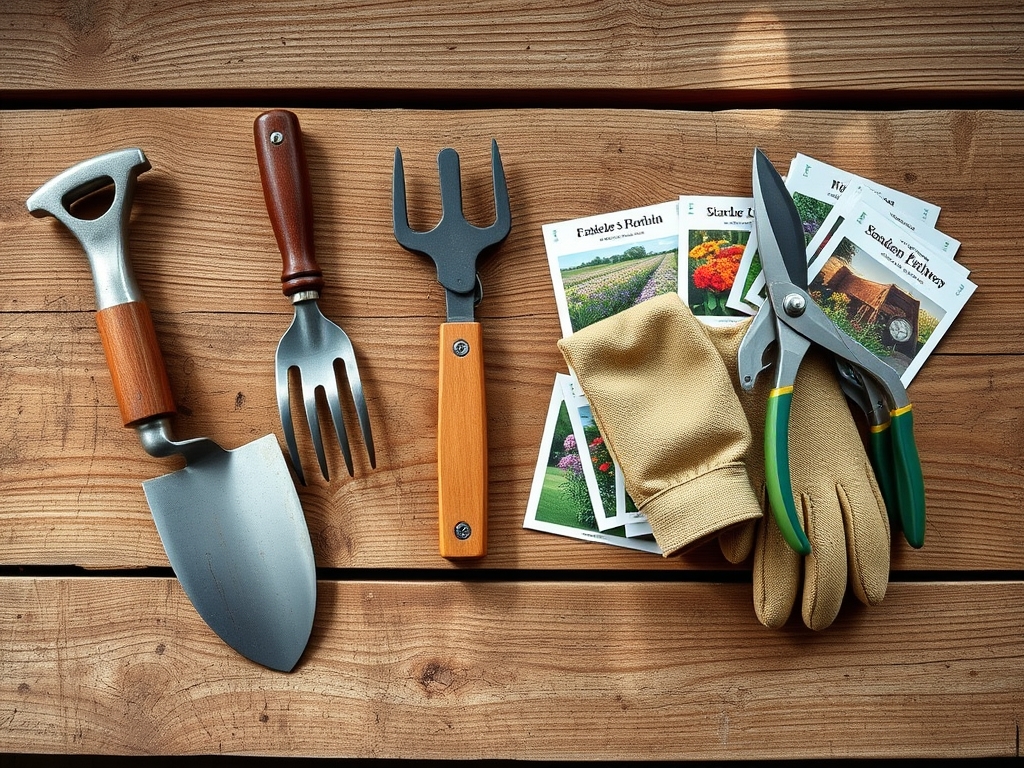
Use a hori-hori knife for precise weeding between stones. This tool allows you to extract the entire taproot of weeds like Taraxacum officinale without disrupting the surrounding stone base. For woody perennials lining the path, use bypass pruners to make clean, angled cuts 0.25 inches above a node. Clean cuts facilitate rapid callusing, preventing the entry of pathogens into the vascular system.
The Yield:
If your cottage pathway includes lavender or herbs, harvest during the "balloon stage" before the flowers fully open. This is when essential oil concentration is at its peak. Use sharp snips to avoid tearing the stems, which causes ethylene gas release and accelerates senescence (aging).
Post-harvest, keep stems out of direct sunlight. Place them in a cool, dark area with high humidity to maintain "day-one" freshness. For flowers, a quick dip in 110 degree Fahrenheit water can break air bubbles in the xylem, allowing for better hydration.
FAQ:
What is the best base for a cottage path?
A 4 inch layer of compacted angular crushed stone provides the best stability. It allows for drainage while preventing the shifting of pavers. Avoid rounded stones, as they do not interlock and create an unstable walking surface.
How do I prevent weeds between path stones?
Use a high-quality geotextile fabric beneath the base material. For the gaps, plant dense ground covers like creeping thyme. These plants outcompete weeds for light and nutrients through a process called competitive exclusion.
What is the ideal soil pH for path borders?
Target a pH between 6.2 and 6.8. This range ensures maximum availability of nitrogen, phosphorus, and potassium. Use a digital pH probe for an accurate reading before adding any soil amendments or fertilizers.
How much water do cottage path plants need?
Most border plants require 1.5 inches of water per week. Use a rain gauge to track precipitation. Ensure the water reaches a depth of 6 inches to encourage deep, drought-resistant root systems rather than shallow, weak growth.