10 Basic Steps to Plant Banana Trees
The smell of damp, oxygenated earth signals the beginning of a successful plantation. When you grasp a healthy banana corm, you should feel the immense turgor pressure of a plant ready to explode into growth. Mastering the steps to plant banana trees requires more than a casual interest; it demands a precise understanding of tropical physiology and soil chemistry. Success is measured in the rigidity of the pseudostem and the deep green saturation of the foliage. You must align your planting schedule with the thermal windows of your specific microclimate to ensure the rhizome establishes before the peak heat of summer or the dormancy of winter.
Materials:
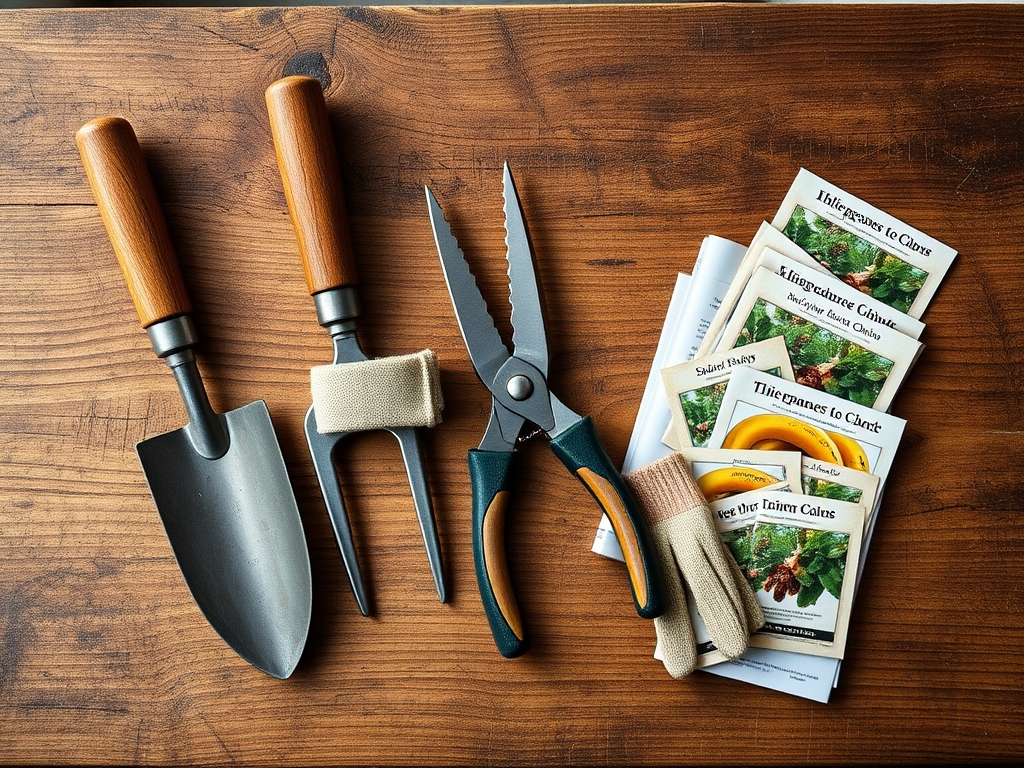
Bananas are heavy feeders that require a high Cation Exchange Capacity (CEC) to facilitate nutrient uptake. The ideal substrate is a **friable loam** with a high percentage of organic matter. Aim for a **soil pH between 5.5 and 6.5**. If your soil is alkaline, sulfur applications are necessary to prevent iron chlorosis.
For the initial planting phase, secure a fertilizer with an NPK ratio of 8-10-8. As the plant matures, you will transition to a high-potassium formula such as 10-10-30 to support fruit development. You will also need a soil moisture meter to monitor the rhizosphere and a hori-hori knife for precise root pruning and corm preparation. Ensure you have at least three inches of organic mulch, such as wood chips or straw, to maintain moisture levels and suppress weed competition.
Timing:
Banana trees are suited for USDA Hardiness Zones 9 through 11, though certain cold-hardy varieties like Musa basjoo can survive in Zone 5 with heavy insulation. The biological clock of a banana plant is governed by heat units. Planting should occur when soil temperatures consistently remain above 68 degrees Fahrenheit (20 degrees Celsius).
The transition from the vegetative stage to the reproductive stage, known as "shooting," typically occurs 10 to 15 months after planting, depending on the cultivar. If you plant too late in the season, the plant may not reach sufficient biomass to survive a winter dormancy. In subtropical regions, the optimal window is early spring, immediately following the last frost date. This allows the plant to utilize the full photoperiod of the summer months for maximum photosynthesis.
Phases:

Sowing and Corm Preparation
If you are starting from a "sucker" or a "bit" (a piece of the rhizome), you must clean the material thoroughly. Remove any necrotic tissue with a sharp, sterilized blade. Treat the cut surfaces with a fungicide or wood ash to prevent pathogens from entering the vascular system. Dig a hole 2 feet wide and 2 feet deep to ensure the soil is loose enough for rapid root expansion.
Pro-Tip: Proper corm orientation is vital because of gravitropism. The plant uses internal hormonal signals to determine which way is up. Planting the corm at a slight angle can actually encourage faster emergence of the first "peeper" or shoot.
Transplanting
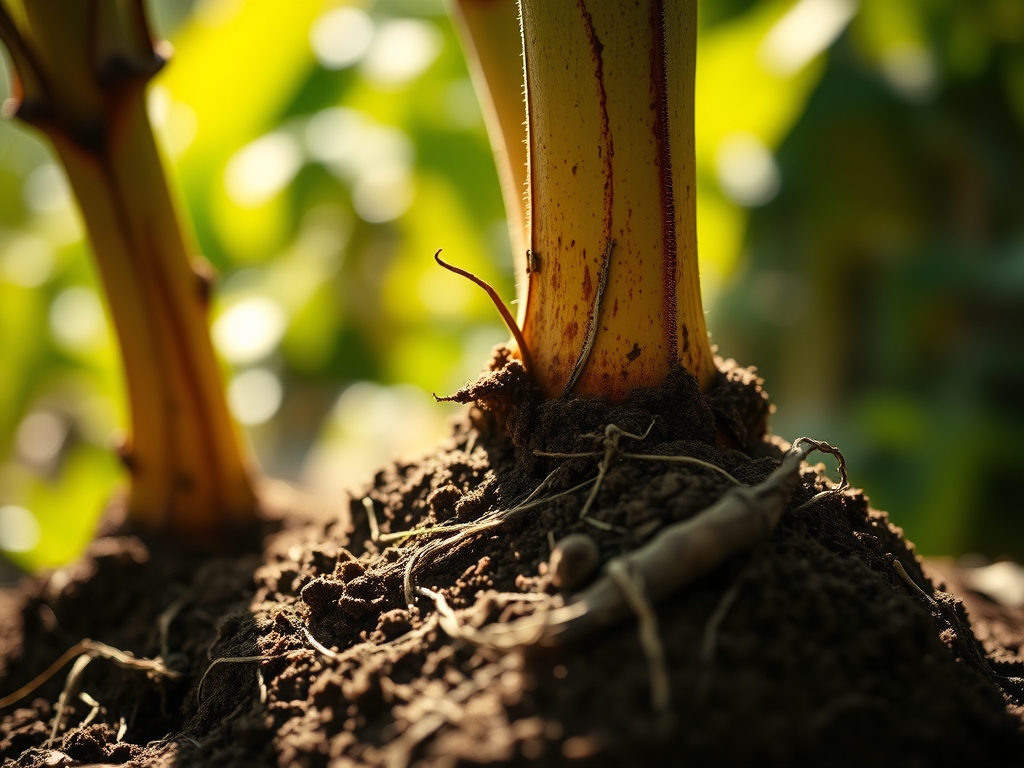
When moving a container-grown banana into the ground, do not bury the pseudostem deeper than it was in the pot. Deep planting can lead to rhizome rot. Position the plant in the center of the hole and backfill with a mixture of native soil and aged compost. Firm the soil with your hands to remove air pockets, but do not compact it so much that you restrict oxygen flow to the roots.
Pro-Tip: Inoculate the planting hole with mycorrhizal fungi. This creates a symbiotic relationship that effectively increases the surface area of the root system, allowing for better phosphorus uptake and drought resistance.
Establishing
The first 30 to 60 days are critical for establishment. The plant will focus energy on root development before showing significant vertical growth. During this time, maintain consistent moisture without saturating the soil. Banana roots require high oxygen levels; waterlogged soil leads to anaerobic conditions that kill the fine feeder roots.
Pro-Tip: Avoid heavy nitrogen fertilization during the first two weeks. High nitrogen levels can cause auxin suppression in the roots, leading to a stunted root system that cannot support the massive leaf canopy that will eventually develop.
The Clinic:
Physiological disorders in banana trees are often the result of environmental stress or nutrient imbalances. Monitoring the leaves is the best way to diagnose issues before they become terminal.
-
Symptom: Yellowing of the margins on older leaves (Chlorosis).
Solution: This is typically a Potassium deficiency. Apply a high-potash fertilizer (0-0-50) or sulfate of potash. Potassium is mobile within the plant, so it moves from old growth to new growth when supplies are low. -
Symptom: Small, distorted new leaves with "stair-step" growth.
Solution: This indicates a Boron deficiency. Apply a dilute solution of borax (1 tablespoon per 100 square feet) to the soil. Be precise; boron toxicity is easy to induce. -
Symptom: Leaf midribs turning purple or bronze.
Solution: This is a sign of Magnesium deficiency, common in sandy soils. Apply Epsom salts (magnesium sulfate) at a rate of 2 ounces per plant every two months. -
Symptom: Sudden wilting despite moist soil.
Solution: Check for root-knot nematodes. Improve soil health by adding more organic matter to encourage beneficial predatory microbes that keep nematode populations in check.
Maintenance:
Precision watering is the cornerstone of banana care. These plants require approximately 1.5 inches of water per week, delivered at the drip line rather than the base of the pseudostem. Use a soil moisture meter to ensure the top 6 inches of soil stay damp but not muddy.
Pruning is essential for light penetration and air circulation. Use bypass pruners to remove "water suckers" (thin, spindly shoots) while retaining "sword suckers" (shoots with narrow leaves) for future replacement plants. Only allow one main pseudostem and one or two suckers of different ages to grow at any given time. This focuses the plant's energy on fruit production rather than vegetative biomass. Remove dead or shredded leaves to prevent the buildup of fungal spores.
The Yield:
Harvesting occurs when the fruit reaches "fullness," meaning the sharp ridges on the individual bananas become rounded. For most home growers, this is about 75 to 80 percent of the way to ripeness. Cut the entire bunch with a sharp knife, leaving a portion of the stalk to serve as a handle.
Post-harvest handling is vital. Bananas produce ethylene gas, which accelerates ripening. To maintain "day-one" freshness, hang the bunch in a shaded, well-ventilated area. Once the harvest is complete, the parent pseudostem will undergo senescence and die. Cut the old stalk down to the ground and chop it up to use as mulch. This returns the nutrients, particularly potassium, back into the rhizosphere for the next generation of suckers.
FAQ:
How much sun do banana trees need?
Banana trees require at least 6 to 8 hours of direct sunlight daily. Insufficient light leads to thin pseudostems, delayed flowering, and small fruit clusters. High light intensity drives the transpiration necessary for nutrient transport throughout the plant.
Why are my banana leaves turning brown?
Brown edges usually indicate low humidity or wind burn. Bananas have a high transpiration rate; dry winds strip moisture faster than roots can replace it. Maintain high humidity and use windbreaks to protect the large, fragile leaf blades.
What is the best fertilizer for bananas?
Use a balanced 8-10-8 NPK fertilizer during early growth. Switch to a high-potassium formula like 10-10-30 once the plant reaches half its mature height. Bananas require consistent feeding every 4 to 6 weeks during the growing season.
How do I protect bananas from frost?
Wrap the pseudostem in burlap or specialized frost blankets when temperatures drop below 32 degrees Fahrenheit. Mulch the base with 6 inches of straw to protect the rhizome. The leaves will die, but the underground rhizome can survive.
How often should I water my banana tree?
Apply 1 to 1.5 inches of water weekly. In extreme heat, you may need to water daily to maintain turgor pressure. Always check the soil with a moisture meter; the rhizosphere should be moist but never anaerobic or waterlogged.