6 Best Moss for Stone Cracks
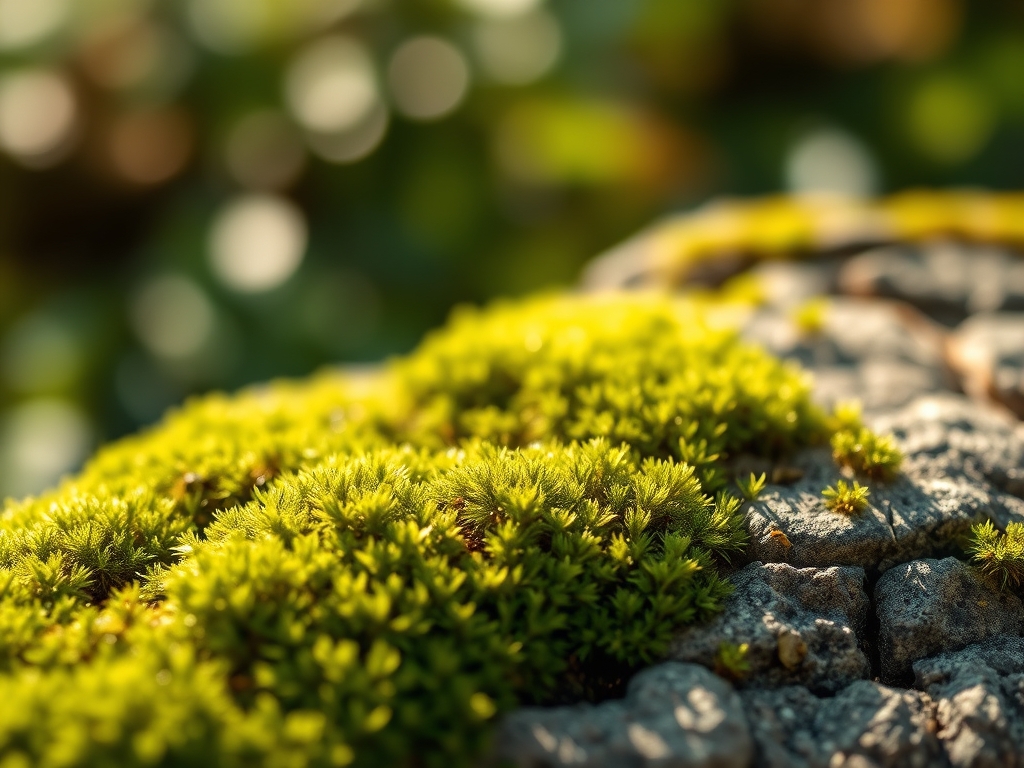
Damp stone releases a sharp, geosmin-rich scent when the first humidity of spring hits the garden. A healthy moss colony maintains high turgor pressure within its phyllids; these are the leaf-like structures that lack the complex vascular systems of higher plants. To achieve a seamless transition between hardscape and biology, selecting the best moss for stone cracks requires an understanding of poikilohydry. This is the ability of bryophytes to dehydrate and rehydrate without cellular collapse. Successful establishment depends on the precise microclimate of the crevice, where moisture retention and shade duration dictate survival.
Materials:

The substrate for moss must be a friable loam with high capillary action. Unlike vascular plants, mosses do not feed through traditional root systems; they utilize rhizoids for anchorage. However, the chemistry of the stone and the soil beneath it determines the **Cation Exchange Capacity (CEC)** of the site.
- Bryum argenteum (Silty/Sandy Loam): Thrives in a pH range of 5.5 to 7.5. It requires minimal nutrient input. An NPK ratio of 1-1-1 is sufficient if the stone is particularly inert.
- Ceratodon purpureus (Acidic Peat): Prefers a pH of 4.5 to 6.0. This species excels in high-zinc environments or urban cracks where heavy metals may inhibit other growth.
- Tortula muralis (Calcareous Substrate): Specifically adapted to limestone and mortar. It requires a pH of 7.0 to 8.5.
- Hypnum cupressiforme (Organic Debris): Needs a thin layer of decomposed organic matter.
- Polytrichum commune (Sandy Acidic): Requires a higher CEC to support its upright growth.
- Grimmia pulvinata (Rock Surface): Grows directly on the stone face with zero soil, relying on atmospheric deposition for nutrients.
Timing:
Most moss species are active in Hardiness Zones 3 through 9. The ideal window for installation is the six-week period following the last spring frost or the eight weeks preceding the first autumn frost. During these windows, the "Biological Clock" of the moss is in its peak vegetative stage. As temperatures stabilize between 50 and 70 degrees Fahrenheit, the moss focuses on horizontal expansion via protonema. Once the photoperiod shortens and temperatures drop below 40 degrees Fahrenheit, the plant enters a period of slow metabolism or senescence, preparing for sporophyte production in late winter.
Phases:

Sowing
For stone cracks, the most effective method is the "slurry" technique. Combine harvested moss fragments with a carrier like buttermilk or a water-retentive gel. This breaks the gametophyte into smaller pieces, each capable of regenerating a new colony through clonal propagation. Ensure the slurry maintains a pH of 5.5 to prevent bacterial rot during the initial colonization.
Pro-Tip: Moss utilizes totipotency, meaning almost any cell from the parent plant can regenerate into a whole new organism. This biological flexibility allows fragmented moss in a slurry to establish faster than whole transplants in narrow crevices.
Transplanting
When moving intact cushions into larger gaps, use a hori-hori knife to clear out existing weeds and debris. Press the moss firmly into the crack to eliminate air pockets. This ensures direct contact between the rhizoids and the substrate, facilitating immediate moisture wicking.
Pro-Tip: Proper compression is vital for capillary conductivity. If the moss is not in direct contact with the soil or stone, it cannot draw up the groundwater necessary to maintain turgor during the heat of the day.
Establishing
The first three months are critical. The moss must remain consistently moist but not anaerobic. Use a soil moisture meter to ensure the crevice remains at 60 percent to 80 percent saturation.
Pro-Tip: Mosses exhibit phototropism, growing toward the light source. If establishing moss in a deep stone crack, ensure the crevice is not so deep that it suppresses the light-dependent hormones required for protonemal growth.
The Clinic:
Symptom: Yellowing or browning of the leaf tips (Chlorosis).
Solution: This usually indicates a Nitrogen deficiency or high salt accumulation from de-icing agents. Flush the area with distilled water to lower the electrical conductivity (EC) of the substrate.
Symptom: Black, slimy texture (Anaerobic Rot).
Solution: This is caused by over-saturation and poor airflow. Reduce watering frequency to allow the top 0.25 inches of the moss to dry slightly between cycles.
Symptom: Lifting of the moss cushion.
Solution: Birds or small mammals are likely foraging for insects beneath the moss. Secure the moss with biodegradable mesh or small U-shaped pins until the rhizoids have anchored into the stone pores.
Fix-It for Nutrient Deficiency: If the moss appears pale and stunted despite proper moisture, apply a highly diluted liquid seaweed extract. The NPK should be no higher than 0.5-0.5-0.5 to avoid burning the delicate tissues.
Maintenance:
Effective maintenance requires precision. Provide 1.0 to 1.5 inches of water per week, delivered via a fine misting nozzle to avoid dislodging the colonies. Use bypass pruners to trim back any encroaching vascular plants that might shade out the moss or compete for the limited crack space. Every spring, use a soft-bristled brush to remove leaf litter; decomposing organic matter from trees can alter the pH and introduce fungal pathogens that lead to tissue necrosis. Monitor the site with a soil moisture meter during heat waves; if the stone temperature exceeds 90 degrees Fahrenheit, the moss will enter a dormant state to protect its cellular integrity.
The Yield:
While moss is not "harvested" in the traditional sense, a mature colony can be divided once it reaches a thickness of 1 inch. To harvest for propagation elsewhere, use a hori-hori knife to slice a small section from the center of the colony. This promotes "re-filling" through lateral growth. Handle the harvested plugs with care to maintain the structure of the gametophyte. Place them in a sealed container with a damp paper towel to maintain 100 percent humidity until they are ready for transplanting. This ensures "day-one" freshness and prevents the moss from entering a protective desiccation phase.
FAQ:
How do I keep moss alive in sun-scorched cracks?
Select Bryum argenteum or Grimmia pulvinata. These species possess high desiccation tolerance and UV-protective pigments. Supplement with misting during peak solar radiation to maintain cellular turgor and prevent the moss from entering a prolonged dormant state.
Will vinegar kill moss in stone cracks?
Yes. Vinegar is an acetic acid that collapses the cell walls of bryophytes. For moss preservation, avoid all acidic cleaners. Use only pH-neutral solutions or distilled water to clean surrounding stonework to prevent chemical runoff from killing the colony.
Why is my moss turning brown despite heavy watering?
This is often "damping off" caused by fungal pathogens in stagnant water. Moss requires oxygen exchange. If the crack lacks drainage, the rhizoids suffocate. Reduce watering and improve airflow to allow the moss to recover its natural green color.
Can I grow moss on concrete cracks?
Yes. Concrete is highly alkaline. Use Tortula muralis, which is specifically adapted to high-lime environments. Ensure the concrete is free of residual sealants or oils, which can inhibit the attachment of rhizoids to the substrate.