7 Simple Steps to Make a Conservatory Plant List
The scent of decomposing humus and damp volcanic rock signals a functional conservatory ecosystem. When you squeeze a handful of high-quality substrate, it should hold its shape briefly before crumbling; this indicates optimal turgor pressure within the cellular structure of the organic matter. Mastering the steps to make a conservatory plant list requires an analytical approach to microclimates and light saturation. You are not merely selecting aesthetics. You are engineering a closed-loop biological system where every leaf must pull its weight in the gas exchange cycle. A successful list balances the transpiration rates of tropical broadleafs with the lower metabolic demands of xerophytic succulents. Failure to account for the specific Cation Exchange Capacity (CEC) of your potting medium will result in nutrient lockout regardless of how much fertilizer you apply. Precision begins with the inventory of your glasshouse environmental variables.
Materials:
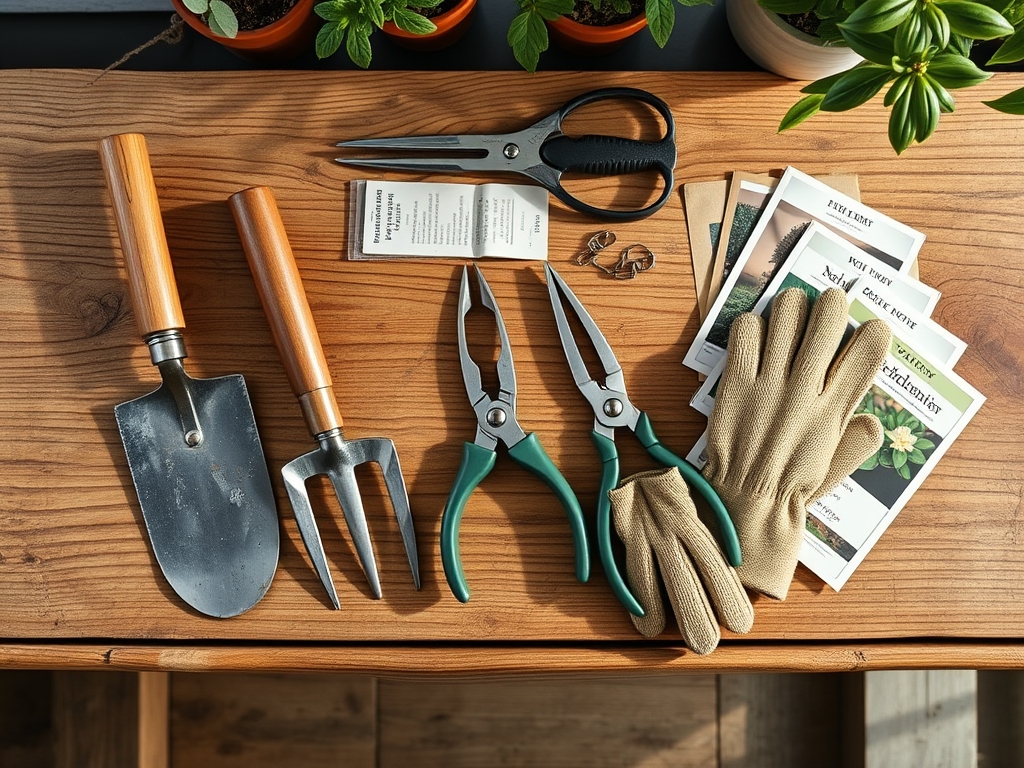
A professional conservatory relies on a friable loam substrate that facilitates rapid drainage while maintaining moisture at the rhizosphere. For acid-loving species like Camellia japonica, target a pH range of 5.5 to 6.5. Most tropicals thrive in a neutral pH of 6.0 to 7.0.
Stock your supply cabinet with specific NPK (Nitrogen, Phosphorus, Potassium) ratios tailored to growth stages. Use a 10-30-20 formula for blooming cycles to stimulate flower primordia. Transition to a 20-10-20 ratio for vegetative growth to ensure robust chlorophyll production. Your base mix should consist of 40 percent composted bark, 30 percent perlite for aeration, and 30 percent coconut coir. This composition ensures a high CEC, allowing the soil to hold onto positively charged ions like Calcium (Ca2+) and Magnesium (Mg2+) until the root hairs can absorb them.
Timing:
Conservatories exist outside the standard constraints of local Hardiness Zones; however, the external environment still dictates the internal biological clock. In Zones 5 through 7, supplemental heating is required to maintain a minimum nocturnal temperature of 55 degrees Fahrenheit. The transition from the vegetative stage to the reproductive stage is governed by the photoperiod.
Most conservatory plants are sensitive to "Day-Length" variations. Short-day plants require at least 12 to 14 hours of darkness to trigger flowering. Conversely, long-day plants need extended light exposure to move out of their vegetative holding pattern. Monitor the solar solstice closely. The increase in light intensity during March can cause rapid transpiration, leading to cellular collapse if the irrigation schedule is not adjusted two weeks in advance of the seasonal shift.
Phases:

Sowing
Start seeds in a sterile medium at a constant temperature of 72 degrees Fahrenheit. Use a heat mat to provide bottom heat, which accelerates metabolic enzymes within the seed coat.
Pro-Tip: Maintain high humidity to prevent the desiccation of the radicle. This is essential because the osmotic potential of a germinating seed is fragile; even a 10 percent drop in ambient moisture can halt the process permanently.
Transplanting
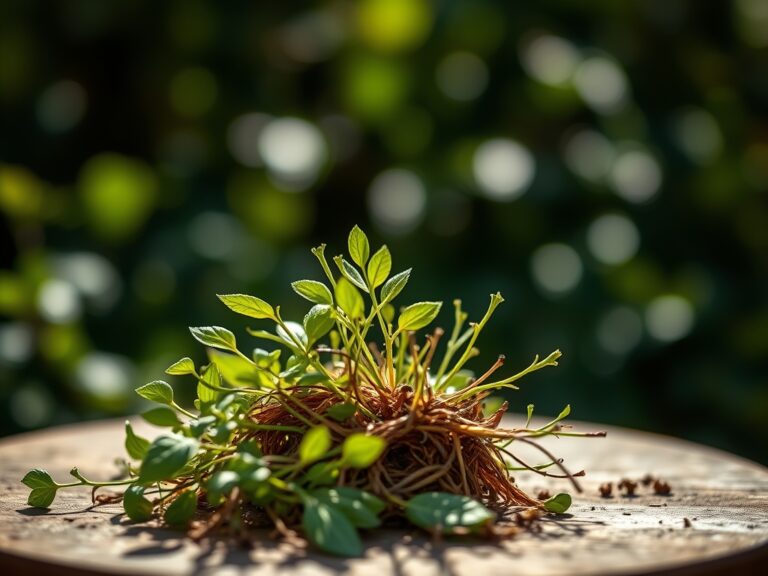
Move seedlings when they develop their second set of true leaves. Use a hori-hori knife to slice cleanly through any circling roots, encouraging lateral branching.
Pro-Tip: Always inoculate the new potting site with mycorrhizal fungi. This symbiotic relationship expands the root surface area by up to 1,000 times, allowing the plant to scavenge phosphorus more efficiently through hyphal networks.
Establishing
During the first six weeks, focus on root development over top-growth. Limit high-nitrogen fertilizers to prevent leggy, weak stems that cannot support their own weight.
Pro-Tip: Practice auxin suppression by pinching off the terminal buds. This redirects the plant's hormonal energy to the lateral axillary buds, creating a bushier, more structurally sound specimen.
The Clinic:
Symptom: Interveinal Chlorosis
The leaves turn yellow while the veins remain dark green.
Solution: This is a classic sign of Magnesium deficiency. Apply a foliar spray of Epsom salts (magnesium sulfate) at a rate of 1 tablespoon per gallon of water.
Symptom: Leaf Tip Burn
The edges of the leaves become brown and crispy.
Solution: This usually indicates Sodium toxicity or fertilizer salt buildup. Flush the container with a volume of water equal to three times the pot size to leach the excess salts from the substrate.
Symptom: Edema
Small, corky bumps appear on the underside of the leaves.
Solution: This is a physiological disorder caused by the plant taking up more water than it can transpire. Increase airflow using a circulation fan and reduce watering frequency during periods of high humidity.
Fix-It for Nitrogen Chlorosis: If the entire leaf turns pale lime green, the plant is scavenging nitrogen from older tissues. Apply a quick-release calcium nitrate solution to restore nitrogen levels without dropping the soil pH.
Maintenance:
Precision irrigation is the backbone of conservatory health. Most woody perennials require 1.5 inches of water per week, delivered directly at the drip line to ensure deep root penetration. Use a soil moisture meter daily; do not rely on the visual appearance of the surface. If the meter reads below 20 percent at a depth of 4 inches, initiate a deep soak.
Pruning must be surgical. Use bypass pruners for green wood to avoid crushing the vascular cambium. For thicker, woody stems, a sharp hori-hori knife allows for clean, angled cuts that shed water and prevent fungal pathogens from colonizing the wound. Sterilize your tools with 70 percent isopropyl alcohol between every plant to prevent the mechanical transmission of viruses.
The Yield:
For those integrating citrus or exotic fruiting plants into their list, timing the harvest is a matter of Brix levels (sugar content). Use a refractometer to test a drop of juice. For Citrus limon, a Brix reading of 8 to 12 percent indicates peak maturity.
When harvesting, use snips to leave a small portion of the pedicel (stem) attached to the fruit. This prevents the "plugging" of the skin, which leads to rapid senescence and rot. Store harvested goods in a cool, humid environment at 45 to 50 degrees Fahrenheit to maintain "day-one" freshness and peak turgor.
FAQ:
How do I choose the right plants for my conservatory?
Analyze your light levels using a foot-candle meter. Select species that match your average humidity and minimum winter temperatures. Group plants with similar Cation Exchange Capacity needs to simplify fertilization and irrigation schedules.
What is the best soil for a conservatory?
Use a professional-grade friable loam mix. It must contain perlite or pumice for aeration and organic matter like coconut coir for moisture retention. Ensure the pH is balanced between 6.0 and 7.0 for general tropical species.
How often should I fertilize conservatory plants?
During the active growing season, apply a balanced water-soluble fertilizer every 14 to 21 days. Monitor for salt buildup. Reduce frequency by 75 percent during winter months when the plant's metabolic rate slows due to decreased photoperiods.
Why are my conservatory plant leaves falling off?
Sudden leaf drop is often caused by environmental shock or radical temperature swings. Ensure your nocturnal temperatures do not drop more than 15 degrees below daytime highs. Check for root rot caused by anaerobic conditions in compacted soil.