8 Lush Ways How to Design a Tropical Lanai
The smell of decomposing organic matter and the sharp, metallic scent of wet basalt define the high-humidity environment of a functional tropical space. When you learn how to design a tropical lanai, you are managing a microclimate where the air remains saturated and the leaf turgor pressure is constant. Success depends on the manipulation of light filtration and the precise management of the rhizosphere. You must move beyond aesthetics to understand the mechanical requirements of high-transpiration plants. This is a technical exercise in balancing drainage with nutrient availability.
Materials:
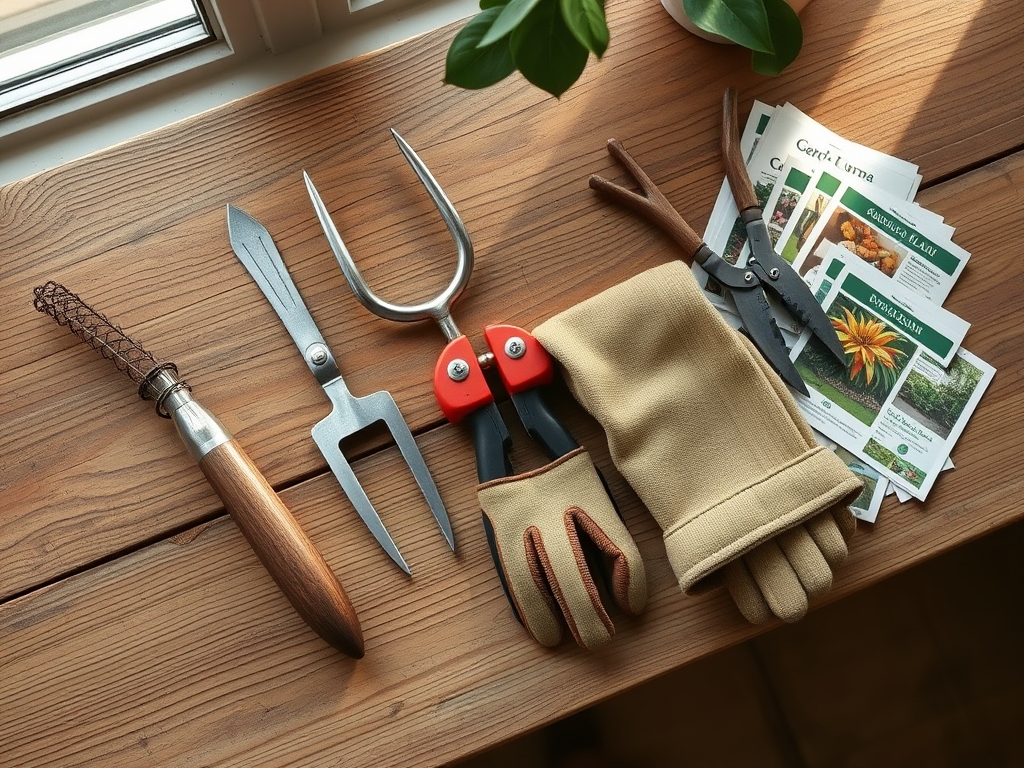
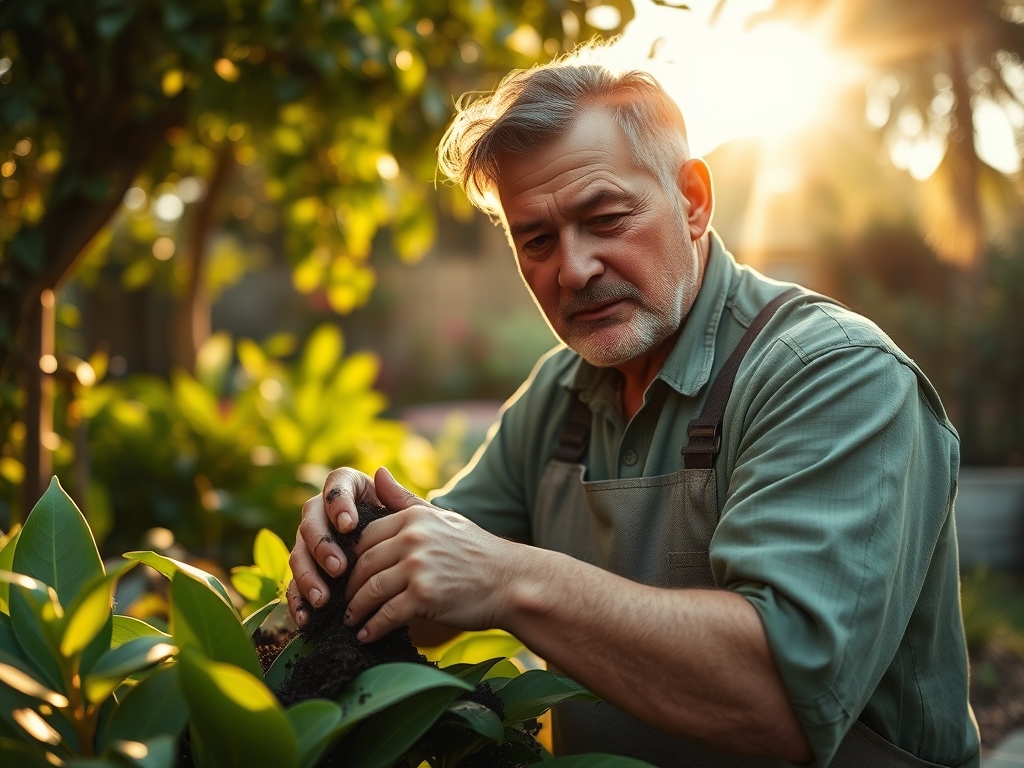
The foundation of a lanai build is the substrate. Tropical species generally thrive in a pH range of 5.5 to 6.5. This acidity ensures that micronutrients like iron and manganese remain bioavailable. You require a friable loam that resists compaction despite frequent irrigation. A mix of 40 percent coarse perlite, 30 percent coconut coir, and 30 percent aged pine bark provides the necessary Cation Exchange Capacity (CEC) while maintaining oxygen levels at the root zone.
For nutritional inputs, utilize a controlled-release fertilizer with an NPK ratio of 12-4-8. High nitrogen levels are essential for the vegetative biomass required in a tropical setting. Supplement this with a chelated iron drench if you observe interveinal chlorosis in acid-loving species like Gardenia jasminoides or various Ixora cultivars. The physical texture of the soil must feel gritty; it should crumble immediately after being squeezed in the palm to ensure the macropores are not clogged with fine silts.
Timing:
In the Northern Hemisphere, construction and planting should occur after the final frost date when overnight lows consistently exceed 55 degrees Fahrenheit (13 degrees Celsius). This guide focuses on USDA Hardiness Zones 9b through 11. In these zones, the biological clock of the plant is driven by the photoperiod and ambient humidity.
The transition from vegetative growth to the reproductive stage (flowering) is often triggered by the onset of the rainy season or specific light cycles. For example, many tropical species require 12 to 14 hours of indirect light to maintain high rates of photosynthesis without suffering from leaf scorch. If you are transplanting, do so during the early morning hours to minimize transpiration stress before the midday heat peak.
Phases:
Sowing and Propagation
Most lanai designs utilize established nursery stock, but starting from seed or cuttings requires a sterile medium. Maintain a consistent soil temperature of 75 to 80 degrees Fahrenheit using a germination mat. For woody cuttings, apply an indole-3-butyric acid (IBA) rooting hormone to stimulate the undifferentiated cells at the node.
Pro-Tip: Utilize a humidity dome to prevent the loss of turgor. The biological why involves the stomata; if the leaf loses water faster than the unformed roots can replace it, the plant enters a state of permanent wilting and cellular collapse.
Transplanting
When moving a plant into its permanent lanai container or bed, ensure the root ball is saturated. Dig a hole twice the width of the root mass but no deeper than the original container. Inspect the roots for circling; use a hori-hori knife to make vertical scores in the root ball to encourage lateral growth.
Pro-Tip: Inoculate the planting hole with endomycorrhizal fungi. The biological why is mycorrhizal symbiosis; these fungi extend the reach of the root system, increasing the surface area for phosphorus absorption and water uptake by up to 100 times.
Establishing
The first 90 days are the establishment phase. During this window, the plant redirects energy from canopy growth to root development. Avoid heavy pruning during this time to prevent the suppression of auxins, which are growth hormones produced in the terminal buds that signal the roots to expand.
Pro-Tip: Apply a 2-inch layer of organic mulch, keeping it 3 inches away from the main stem. The biological why is the prevention of stem rot and the stabilization of soil temperatures, which protects the delicate microbial life in the top layer of the substrate.
The Clinic:
Physiological disorders in a lanai setting often stem from stagnant air or improper drainage.
Symptom: Edema (small, corky bumps on the underside of leaves).
Solution: Increase airflow and reduce irrigation frequency. This occurs when the roots take up water faster than the leaves can transpire it, causing cells to rupture.
Symptom: Leaf Tip Burn.
Solution: Flush the substrate with distilled water. This is typically a sign of salt accumulation from synthetic fertilizers or high-mineral tap water which increases the osmotic pressure in the soil.
Symptom: Nitrogen Chlorosis (yellowing of older leaves while veins remain green).
Fix-It: Apply a water-soluble fertilizer with a high N value. Nitrogen is a mobile nutrient; the plant will cannibalize older foliage to support new growth at the apex.
Symptom: Magnesium Deficiency (interveinal yellowing on older leaves).
Fix-It: Apply an Epsom salt solution (1 tablespoon per gallon of water) as a foliar spray for rapid absorption through the leaf cuticle.
Maintenance:
Precision is the difference between a surviving plant and a thriving one. Use a soil moisture meter daily until you understand the evaporation rates of your microclimate. Most tropicals require 1.5 inches of water per week delivered at the drip line. Avoid overhead watering to prevent the spread of fungal spores.
Use bypass pruners for all soft-tissue cuts to ensure a clean shear that heals quickly. Sanitize your tools with 70 percent isopropyl alcohol between plants to prevent cross-contamination. Monitor the light levels using a foot-candle meter; most "low light" tropicals require 1,000 to 1,500 foot-candles, while "bright indirect" species need 2,500 to 4,000 foot-candles.
The Yield:
If your lanai includes fruiting species like dwarf citrus or ornamental peppers, harvest timing is critical. Use a "clip-don't-pull" technique to avoid damaging the brittle stems. For flowers like Hibiscus or Anthurium, harvest in the early morning when the cells are at maximum turgor.
Post-harvest, submerge the stems in 100-degree Fahrenheit water for five minutes. This "hardening off" process removes air bubbles from the xylem, ensuring the vascular system continues to transport water to the bloom. For edible yields, store in a high-humidity crisper at 45 degrees Fahrenheit to slow the rate of senescence and preserve the sugar-to-acid ratio.
FAQ:
How often should I fertilize my lanai plants?
Apply a balanced liquid fertilizer every 14 days during the active growing season. Reduce this to once every six weeks during the winter months when the photoperiod shortens and metabolic rates decrease.
What is the best way to increase humidity?
Group plants together to create a localized transpiration zone. You may also use a pebble tray filled with water or a dedicated ultrasonic humidifier to maintain levels between 60 and 80 percent.
Can I use tap water for all tropical plants?
Many species, such as Calatheas and Orchids, are sensitive to fluoride and chlorine. Use filtered or rainwater to prevent chemical burns on the leaf margins and to maintain a stable soil pH.
How do I prevent root rot in containers?
Ensure your containers have multiple drainage holes and use a substrate with high porosity. Never allow the pot to sit in standing water; discard excess drainage from the saucer immediately after irrigation.