5 Best Dollar Store Garden Hacks
The smell of damp, anaerobic decomposition signals a failure in soil aeration, while the snap of a leaf with high turgor pressure confirms successful cellular hydration. Achieving this level of physiological health in a domestic landscape does not require a massive capital investment. By utilizing the best dollar store garden hacks, a grower can manage soil moisture and nutrient delivery with the same precision as a commercial nursery. Success depends on understanding the chemical interactions between the substrate and the root zone.
High-performance gardening relies on the management of the rhizosphere. When you repurpose inexpensive items like plastic bins for sub-irrigation or mesh laundry bags for pest exclusion, you are manipulating the microclimate to favor plant development. These modifications allow for tighter control over the water table and gas exchange within the soil profile. The goal is to maintain a consistent state of metabolic activity without the stress of erratic moisture cycles. Every tool, regardless of its cost, must serve the fundamental biological needs of the plant.
Materials:
The ideal substrate for most vegetable crops is a friable loam with a **pH between 6.0 and 7.0**. This range ensures maximum bioavailability of essential macronutrients. For heavy feeders like Solanaceae, look for an **NPK ratio of 5-10-10** during the flowering stage to prioritize phosphorus for root and fruit development. Nitrogen-heavy mixes, such as **10-5-5**, are reserved for the initial vegetative growth phase to build leafy biomass.
The physical texture must allow for a high Cation Exchange Capacity (CEC). This is the soil's ability to hold onto positively charged ions like Calcium (Ca2+) and Magnesium (Mg2+). Use dollar store colanders or mesh screens to sift native soil, removing large aggregates and debris. This creates a fine-textured seedbed that ensures maximum seed-to-soil contact, which is critical for imbibition and uniform germination.
Timing:
In Hardiness Zones 5 through 7, the window for spring planting is narrow. You must track the last frost date with precision; planting even 48 hours before a late freeze can lead to cellular rupture as water expands within the xylem. The biological clock of the plant is governed by the photoperiod and accumulated Growing Degree Days (GDD).
As the plant transitions from the vegetative stage to the reproductive stage, its nutritional requirements shift. This transition is triggered by hormonal changes, specifically the balance of auxins and gibberellins. Using dollar store translucent storage bins as "cloches" can artificially raise the ambient temperature by 5 to 10 degrees Fahrenheit, accelerating the GDD accumulation and allowing for an earlier harvest.
Phases:

Sowing
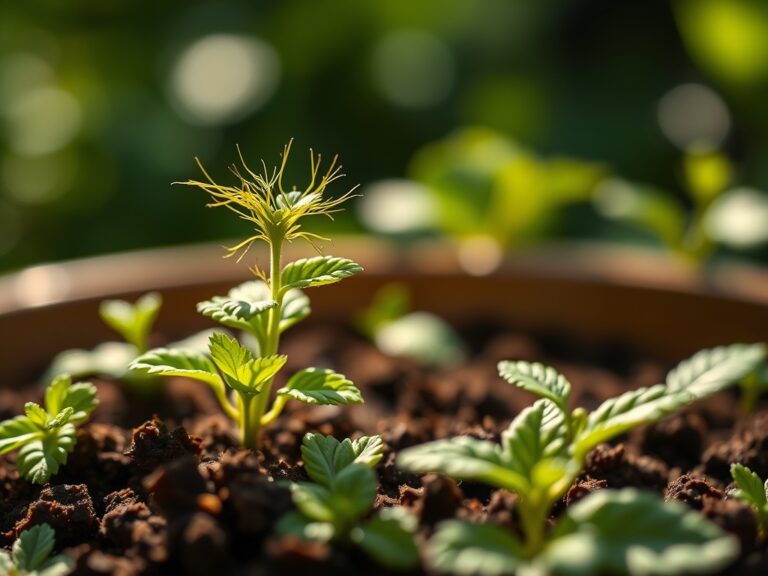
Utilize plastic ice cube trays as modular seed starters. Drill a 1/8 inch drainage hole in the bottom of each cell to prevent damping-off caused by fungal pathogens like Pythium. Sow seeds at a depth of three times their diameter.
Pro-Tip: Maintaining a consistent soil temperature of 70 degrees Fahrenheit is vital for enzymatic activation. This ensures the rapid conversion of stored starches into energy, a process known as aerobic respiration.
Transplanting
When the first set of true leaves appears, the plant is ready for a larger vessel. Use dollar store reusable grocery bags as "grow bags." The porous fabric allows for air-pruning of the roots. This prevents the plant from becoming root-bound, a condition that limits nutrient uptake and stunts growth.
Pro-Tip: Air-pruning encourages the development of lateral fibrous roots. This increases the surface area for mycorrhizal symbiosis, where beneficial fungi extend the root system's reach for phosphorus and water.
Establishing
To stabilize tall plants, use pool noodles cut into segments as trunk protectors or soft ties. Secure them to bamboo stakes to prevent mechanical damage from high winds. Ensure the ties are loose enough to allow for secondary growth (thickening of the stem).
Pro-Tip: Proper staking prevents the suppression of auxins. When a plant is bent or stressed by wind, it redirects energy to strengthen the cell walls of the stem (thigmomorphogenesis) rather than focusing on vertical growth or fruit production.
The Clinic:
Observe the foliage for signs of physiological distress. Identifying these symptoms early allows for corrective action before the plant reaches the point of permanent wilting.
- Symptom: Interveinal chlorosis on young leaves.
- Solution: This indicates an Iron (Fe) deficiency, often caused by a pH above 7.5. Apply a chelated iron drench to lower the pH and restore chlorophyll production.
- Symptom: Necrotic spots on the margins of older leaves.
- Solution: This suggests Potassium (K) deficiency. Potassium regulates the opening and closing of stomata; a lack of K leads to poor water management and "leaf scorch."
- Symptom: Blossom end rot in tomatoes.
- Solution: This is a Calcium (Ca) transport issue. It is rarely a lack of calcium in the soil but rather inconsistent moisture. Maintain a steady 1.5 inches of water per week to ensure calcium moves through the transpiration stream.
Maintenance:
Precision is the difference between a surviving plant and a thriving one. Use a soil moisture meter to check the tension at a depth of 4 inches. Most crops require the soil to be kept at a moisture level of 60 to 80 percent of field capacity. Deliver water directly to the drip line using a DIY drip system made from punctured dollar store garden hoses.
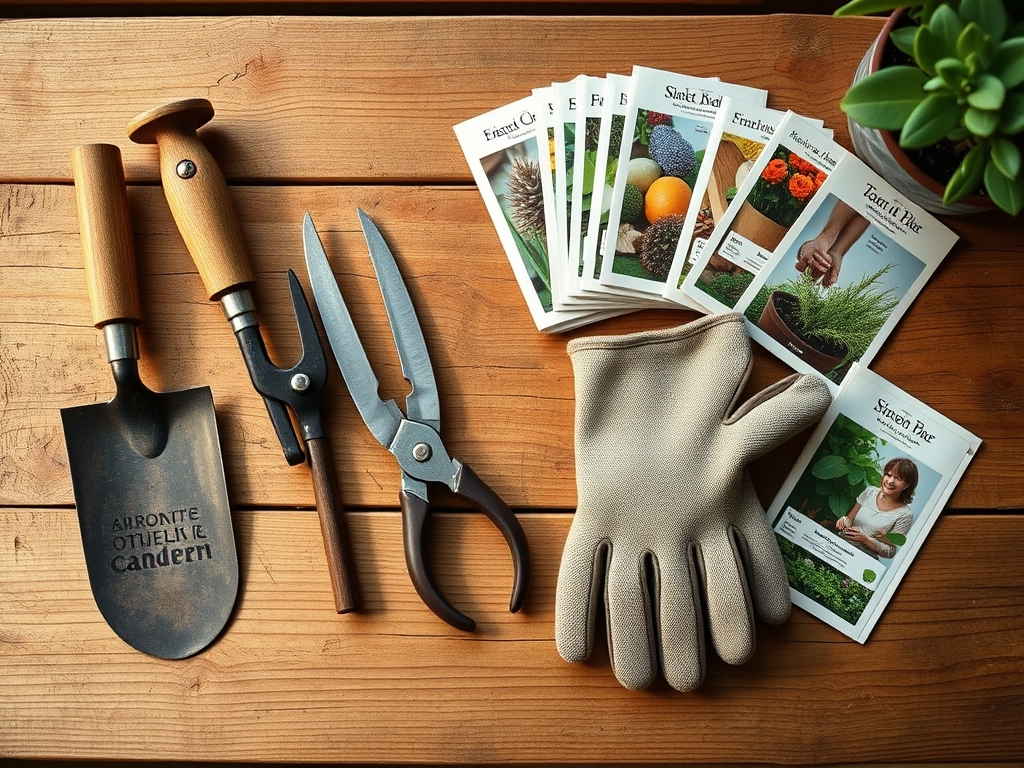
Pruning should be performed with sterilized bypass pruners or a sharp hori-hori knife. Remove "suckers" or axillary buds to focus the plant's energy on the main terminal leader. This practice improves airflow through the canopy, reducing the humidity levels that favor the growth of powdery mildew and other foliar pathogens.
The Yield:
Harvesting is a race against senescence. For leafy greens, harvest in the early morning when turgor pressure is at its peak. This ensures the cells are fully hydrated, providing a crisp texture. Use a sharp blade to make clean cuts; ragged tears create entry points for pathogens and increase the rate of ethylene production, which hastens spoilage.
For fruiting crops, monitor the "break stage" where the color begins to shift. Once harvested, cool the produce immediately to 40 degrees Fahrenheit to slow down the metabolic rate. This preservation of sugars and acids maintains the flavor profile and nutritional density of the harvest.
FAQ:
How do I fix yellow leaves?
Yellowing, or chlorosis, usually indicates a Nitrogen deficiency. Apply a high-nitrogen fertilizer (NPK 10-0-0) and check soil pH. If the pH is outside the 6.0 to 7.0 range, nutrients become chemically locked and unavailable to the roots.
Can I use dollar store sponges in pots?
Yes. Placing a sponge at the bottom of a container acts as a water reservoir. It holds excess moisture and releases it back into the substrate via capillary action as the soil dries, preventing the plant from reaching its permanent wilting point.
What is the best way to kill weeds cheaply?
Use dollar store shower curtains as a heavy-duty weed barrier. Cover the area for 4 to 6 weeks to trigger "occlusion." The lack of light prevents photosynthesis, effectively starving the weeds and their root systems without the use of synthetic chemicals.
How do I stop pests without chemicals?
Use dollar store mesh laundry bags as physical barriers. Covering brassicas or berries with fine mesh prevents insects from ovipositing on the leaves. This mechanical exclusion is the most effective way to maintain a clean crop without altering the plant's chemistry.