10 Best Potting Soil for Raised Beds
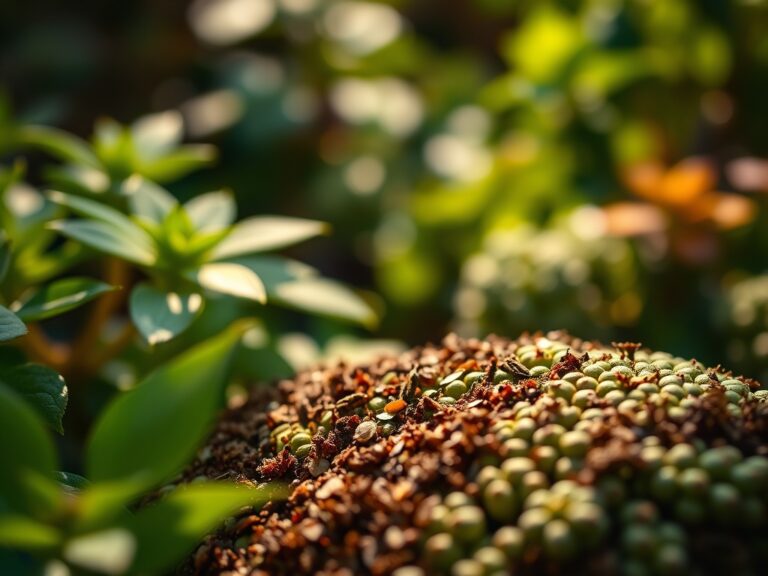
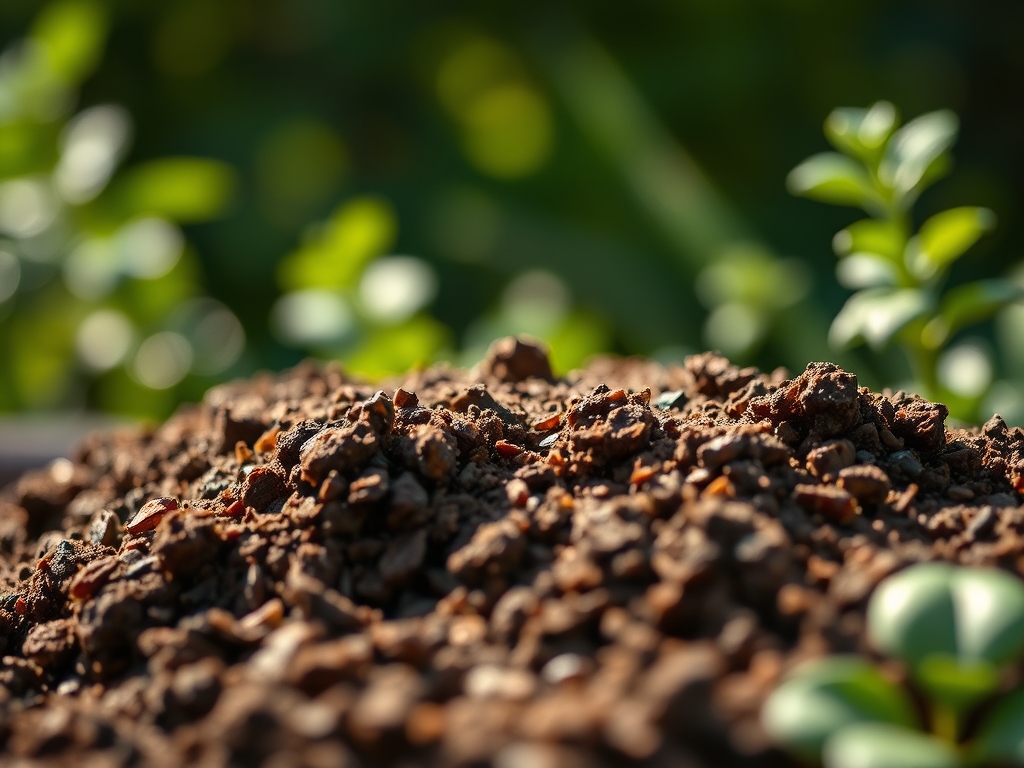
Crushing a handful of damp earth reveals the structural integrity of your garden. The smell is geosmin; it is the scent of actinobacteria breaking down organic matter. When a leaf maintains high turgor pressure, it stands rigid and efficient at photosynthesis. Achieving this state requires the best potting soil for raised beds to facilitate gas exchange and moisture retention. Standard garden soil is too dense for raised containers. It compacts and suffocates the rhizosphere. You need a substrate that balances capillary action with gravitational drainage. The ideal medium provides a stable Cation Exchange Capacity (CEC) to hold nutrients against the leaching effects of heavy rain. In a raised environment, the soil temperature fluctuates faster than in-ground plots. This necessitates a high percentage of organic matter to insulate root systems. Without the correct porosity, roots encounter anaerobic conditions that lead to pathogen proliferation. Precision in soil selection is the difference between a high-yield season and total crop failure.
Materials:
The chemical composition of your substrate dictates nutrient availability. Most vegetable crops thrive in a **pH range of 6.2 to 6.8**. At this level, macronutrients like Phosphorus are chemically available rather than bound to soil particles. For raised beds, the physical texture must be a friable loam. This consists of roughly **40 percent sand, 40 percent silt, and 20 percent clay**, heavily amended with organic compost.
When selecting or mixing the best potting soil for raised beds, focus on these NPK ratios and amendments:
- Starter Mix (NPK 5-10-5): High phosphorus encourages early root development and cellular ATP production.
- Vegetative Stage (NPK 10-5-5): Increased nitrogen supports chlorophyll synthesis and leaf expansion.
- Fruiting Stage (NPK 5-10-15): High potassium regulates stomatal opening and enhances fruit sugar content.
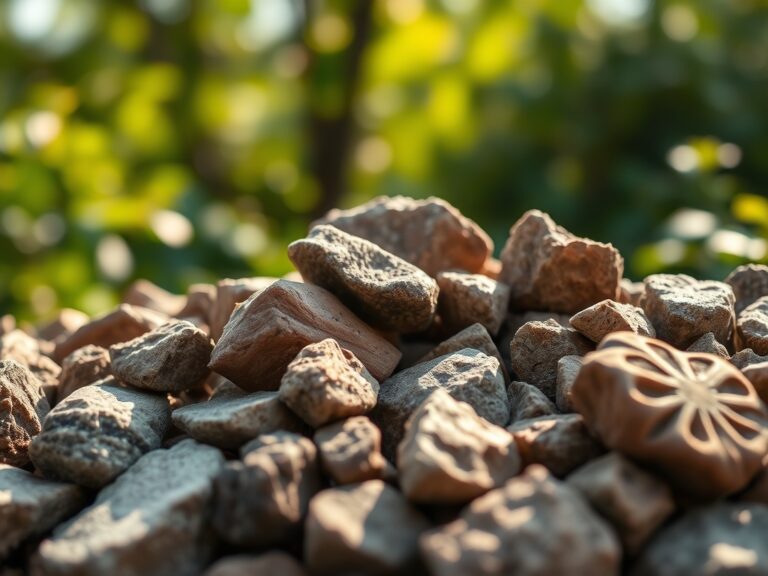
- Perlite or Vermiculite: These volcanic minerals increase pore space. Perlite improves drainage while vermiculite excels at water retention.
- Coconut Coir or Peat Moss: These provide the structural "sponge" for the mix. Coir has a more neutral pH (5.8 to 6.8) compared to the acidic nature of peat (3.5 to 4.5).
Timing:
Hardiness Zones determine your operational window. In Zones 5 through 7, the spring planting window opens when soil temperatures consistently reach 55 degrees Fahrenheit. Use a soil thermometer to verify this; planting in cold, anaerobic mud triggers seed rot. The biological clock of the plant is governed by the photoperiod and thermal units.
Vegetative stages require long days to build biomass. As the summer solstice passes, many plants transition to the reproductive stage. This shift is triggered by a change in hormone ratios within the plant tissue. You must time your soil preparation at least two weeks prior to the last frost date. This allows the microbial population in the potting soil to stabilize and begin the nitrogen mineralization process. If you plant too early, the lack of microbial activity means nutrients remain locked in organic forms, unavailable to the seedling.
Phases:

Sowing
Direct sowing into the best potting soil for raised beds requires a fine tilth. Clear any large debris or wood chips from the top 2 inches of the bed. Seeds should be planted at a depth of roughly three times their diameter. Maintain consistent moisture to ensure the seed coat softens and the radicle emerges.
Pro-Tip: Maintain a consistent moisture film around the seed to prevent desiccation. Biological Why: This facilitates imbibition, the physical process where water uptake triggers metabolic enzymes to break down stored starches into energy for the embryo.
Transplanting
When moving seedlings from trays to the raised bed, minimize root disturbance. Dig a hole twice the width of the root ball. Incorporate a handful of worm castings into the hole to boost the local CEC. Ensure the transition happens during overcast days or late afternoon to reduce transpiration stress.
Pro-Tip: Dust the root ball with mycorrhizal inoculant during transplanting. Biological Why: This establishes a symbiotic relationship where fungal hyphae extend the root system's reach, increasing phosphorus uptake by up to 10 times.
Establishing
During the first 14 to 21 days, the plant focuses on downward root growth rather than upward foliage. Monitor the soil with a soil moisture meter. The goal is to keep the soil at 70 percent field capacity. Avoid shallow watering, which encourages weak, surface-level roots susceptible to heat stress.
Pro-Tip: Pinch off early flower buds on young transplants. Biological Why: This suppresses auxin production in the reproductive tips, redirecting the plant's energy toward vegetative biomass and root structural integrity.
The Clinic:
Physiological disorders often mimic infectious diseases but result from environmental or nutritional imbalances in the soil.
- Symptom: Blossom End Rot. Dark, leathery spots on the bottom of fruit (common in tomatoes and peppers).
Solution: This is a Calcium deficiency caused by erratic watering. Maintain consistent moisture levels to ensure Calcium, which is immobile, reaches the fruit via transpiration. - Symptom: Interveinal Chlorosis. Yellowing between leaf veins while veins remain green.
Solution: This indicates Magnesium or Iron deficiency. Check soil pH first; if pH is above 7.0, these micronutrients become insoluble. Lower pH using elemental sulfur. - Symptom: Leaf Curl and Stunting. New growth appears twisted or brittle.
Solution: This often results from Boron toxicity or deficiency. Ensure your potting mix does not exceed 2 ppm of Boron. - Fix-It (Nitrogen Chlorosis): If older leaves turn uniformly pale yellow, the plant is scavenging nitrogen for new growth. Apply a liquid fish emulsion (NPK 5-1-1) for immediate uptake through the roots.
Maintenance:
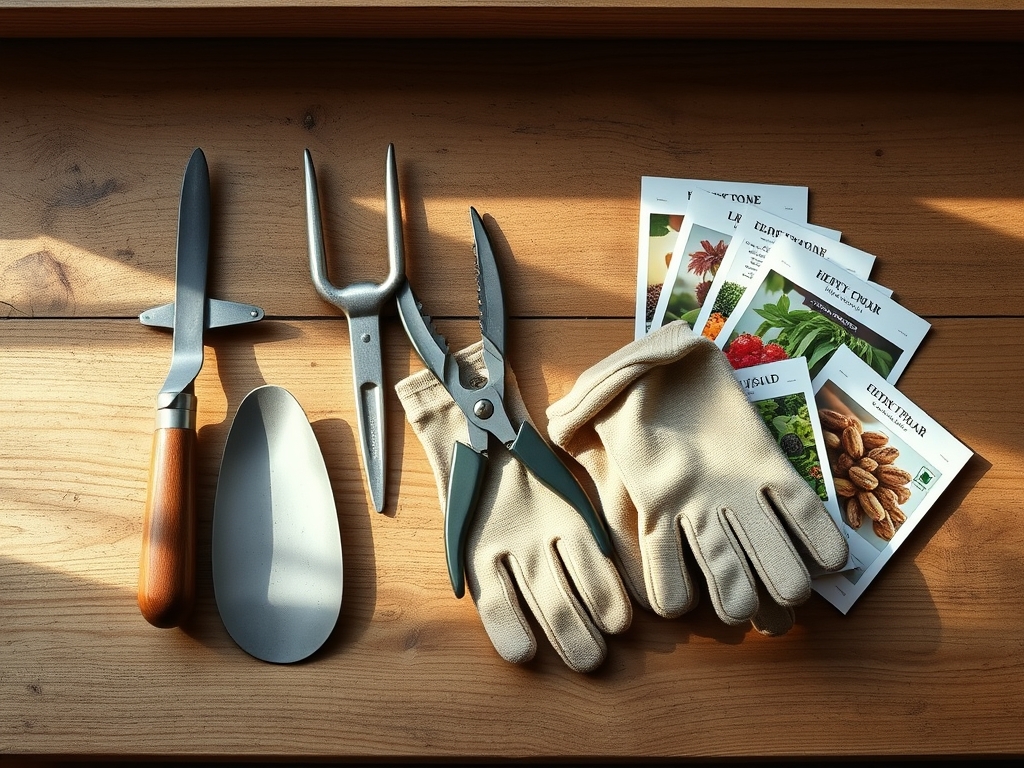
Precision maintenance extends the life of your potting soil. Apply 1.5 inches of water per week at the drip line of the plants. Overhead watering wastes resources and increases humidity, which can lead to fungal issues. Use a hori-hori knife to remove weeds by the root; leaving the taproot allows for regrowth.
Every three weeks, use bypass pruners to remove lower "sucker" growth or yellowing leaves near the soil surface. This improves airflow and reduces the bridge for soil-borne pathogens to climb the plant. Check the soil compaction mid-season. If the soil has settled more than 3 inches, top-dress with 1 inch of aged compost to replenish organic matter and maintain the soil's volume.
The Yield:
Harvesting is a biological intervention. For most leafy greens, harvest before the plant reaches senescence or begins "bolting" (flowering). Use sharp shears to make clean cuts; jagged tears are entry points for bacteria. For fruiting crops like tomatoes, harvest when the fruit reaches 90 percent color break.
Post-harvest handling is critical for "day-one" freshness. Immediately move produce out of direct sunlight to stop field heat from degrading cellular structures. For herbs, place stems in a glass of water or a sealed container at 40 degrees Fahrenheit to maintain turgor. Removing the heat quickly slows the respiration rate, preserving the sugars and volatile oils within the plant tissue.
FAQ:
How often should I replace potting soil in raised beds?
You do not need to replace it entirely. Every spring, remove the top 4 to 6 inches and replace it with fresh compost and high-quality potting mix to replenish nutrients and restore soil structure and aeration.
Can I use regular garden soil in my raised bed?
No. Standard garden soil contains high clay fractions that compact in a confined raised bed. This eliminates macro-pores, leading to poor drainage, root suffocation, and increased risk of soil-borne fungal pathogens.
What is the best depth for a raised bed?
A depth of 12 to 18 inches is ideal for most vegetables. This provides enough volume for deep root systems like tomatoes and carrots while ensuring adequate drainage and nutrient buffering for the rhizosphere.
How do I fix soil that drains too fast?
Incorporate organic matter such as coconut coir or well-rotted compost. These materials increase the soil's surface area and water-holding capacity, ensuring moisture remains available to the roots between watering cycles without causing anaerobic conditions.